Russia raises flight limits on drones and light aircraft near Moscow
Moscow is raising the floor for light aircraft and drones to 5,200 meters, effectively clearing low-altitude skies for air defenses.
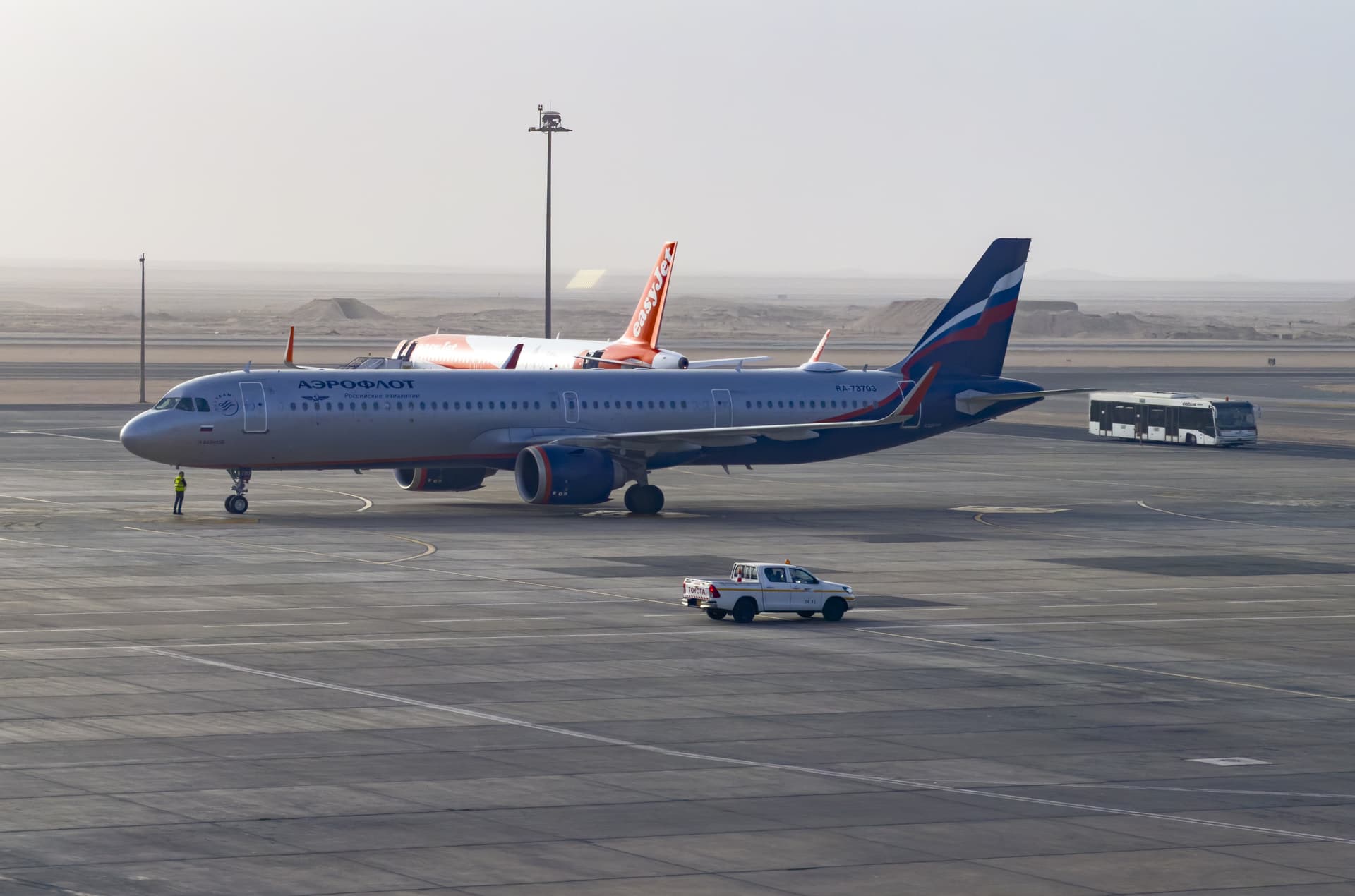
Russia moved to sharply curtail low-altitude flying around Moscow, setting a minimum operating altitude of 5,200 meters, or about 17,000 feet, for light private aircraft and drones. The measure takes effect on June 20 and covers Moscow and the Moscow region, with narrower limits also applied in the Ryazan, Tula, Kaluga, Tver, Yaroslavl and Vladimir regions.
Rosaviatsiya, the aviation authority, said regular passenger and charter flights will continue operating normally, signaling that the rule is aimed at small aviation and unmanned systems rather than the commercial network serving the capital. But the practical effect is still sweeping: most light and ultralight aircraft, along with drones, cannot operate anywhere near that altitude, effectively pushing them out of the airspace over key central Russian regions.
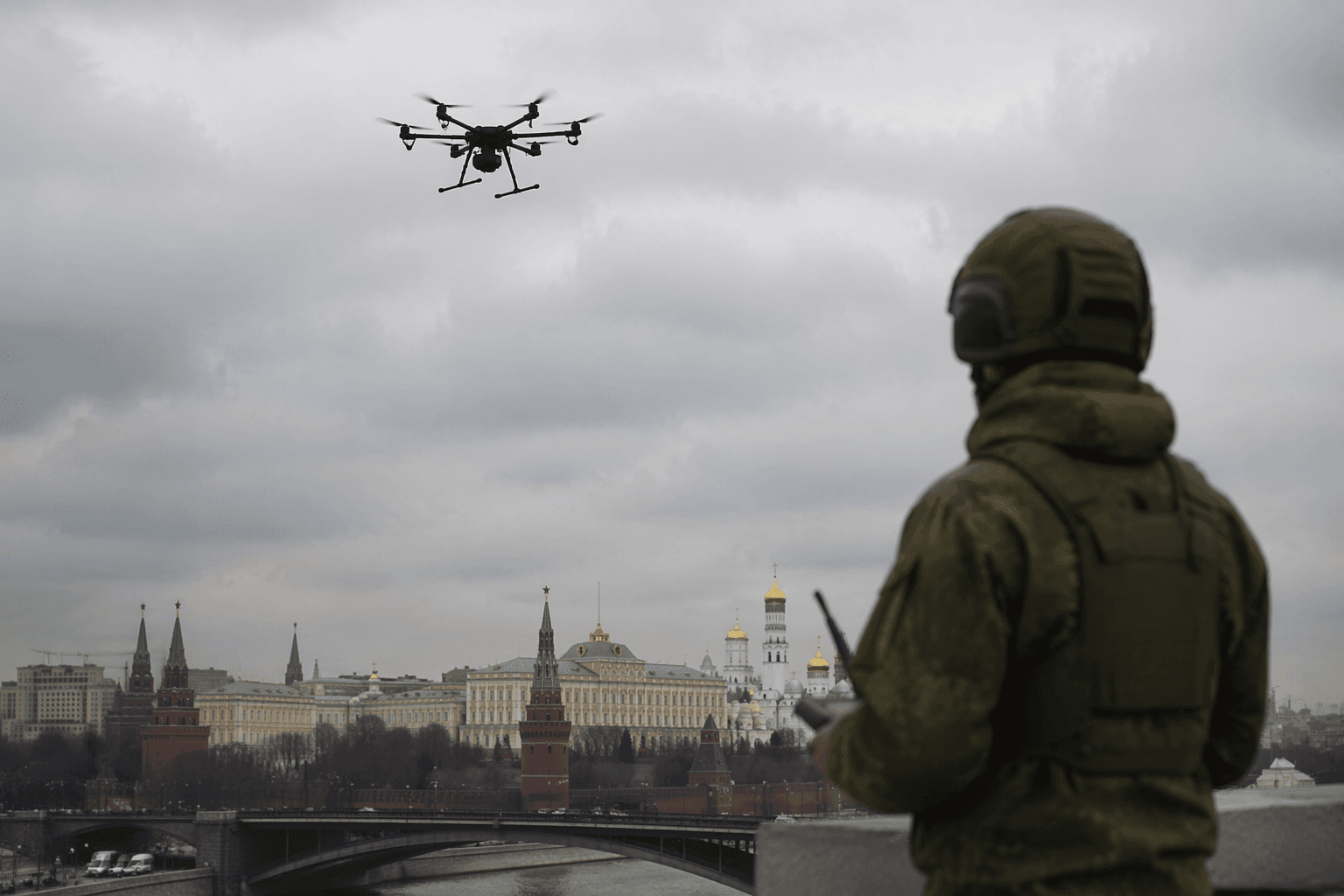
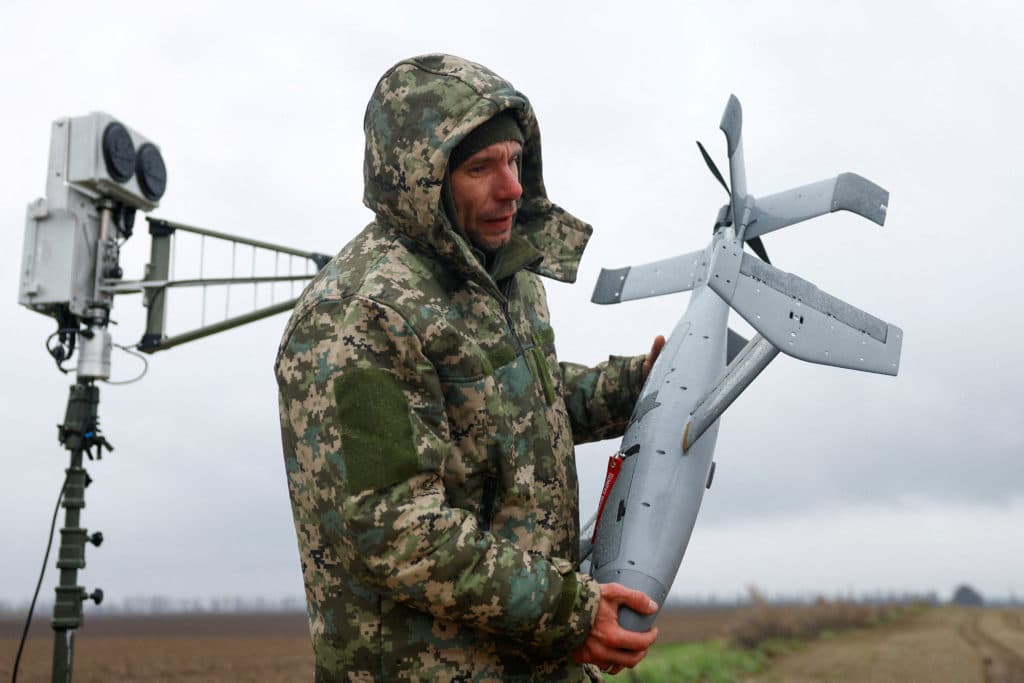
The timing reflects the pressure created by repeated Ukrainian drone attacks. Russian authorities said they shot down 37 drones over Moscow on the morning of June 16, while air defenses responded around the capital and airport restrictions were imposed. On June 6, Russia’s Defense Ministry said it intercepted 339 Ukrainian drones over a 13-hour period across multiple regions, including Moscow, underscoring the scale of the threat officials say they are trying to contain.
The airspace clampdown also follows a strike on Gazprom Neft’s Moscow oil refinery, which the company described as the largest fuel supplier to the Moscow region. Reuters reported that the attack started a fire and that two industry sources said the plant halted operations. The refinery’s location in the Kapotnya district makes the vulnerability especially visible: a military problem is now reaching directly into the energy system that serves the capital.
The new rules add another layer to a broader tightening around Moscow’s skies. Earlier reporting said the Moscow air zone could be partially closed to civilian flights below roughly 5,100 meters from early June, and AOPA Russia, the pilots’ and aircraft owners’ group, warned that the restrictions could affect routes stretching far beyond Moscow, including paths from the Belarus border toward Yekaterinburg and Samara.
For Russia’s small aviation sector, the message is blunt. Flight schools, hobbyists, agricultural operators, aerial photographers and drone users face a far narrower operating environment, while the state prioritizes air defense and anti-drone control around the capital. The policy shows how the war is no longer only a front-line contest: it is reshaping civilian airspace, economic activity and daily logistics deep inside Russia.
This article was produced by Prism’s automated news system from verified source data, official records, and press releases, then run through automated quality and moderation checks before publishing. The system is built and supervised by the people who set the standards it runs under. Read our full AI policy.
Know something we missed? Have a correction or additional information?
Submit a Tip