NATO chief visits White House to calm Trump before summit
Mark Rutte used a White House visit to blunt Trump’s anger before NATO’s Ankara summit. Allies are bracing for a test of U.S. support and alliance leverage.
Mark Rutte met Donald Trump at the White House on Wednesday, a two-week prelude to NATO’s July 7-8 summit in Ankara, Turkey, where allies are trying to avoid a clash over spending, troops and trust. The NATO secretary-general arrived in Washington with the job of keeping the president engaged at a moment when Trump has again threatened to pull back U.S. support and criticized allies for not doing enough.
The visit was scheduled for June 23 to 25, with the White House meeting set for June 24, as NATO prepared for a summit that many allies see as a stress test of the transatlantic alliance. Rutte has earned a reputation as a Trump whisperer because of his ability to work the president’s ego without losing sight of alliance politics. That balance matters now, because the next confrontation is not only about military budgets but about whether Europe and Canada can show enough loyalty to keep Washington inside NATO’s center of gravity.
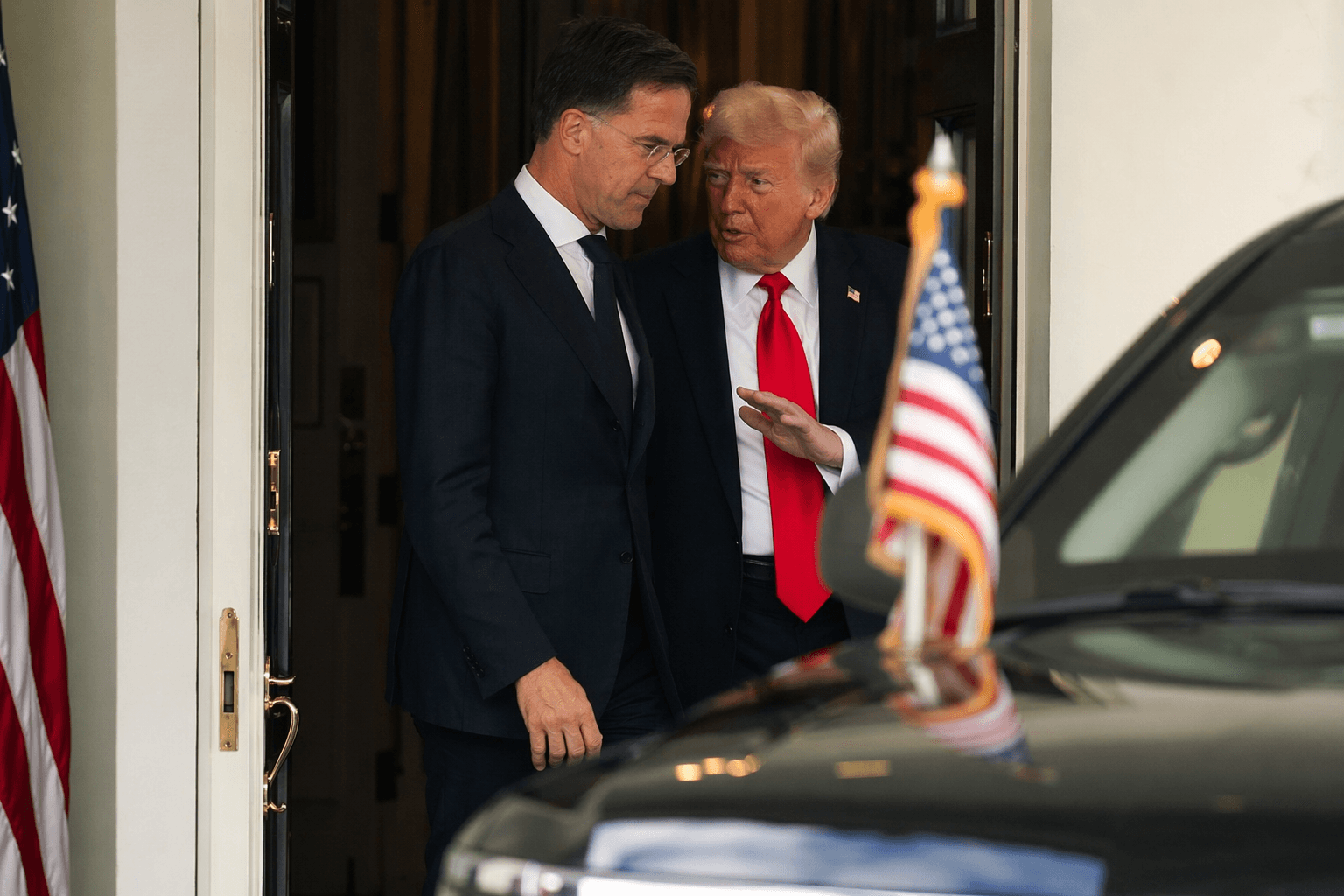
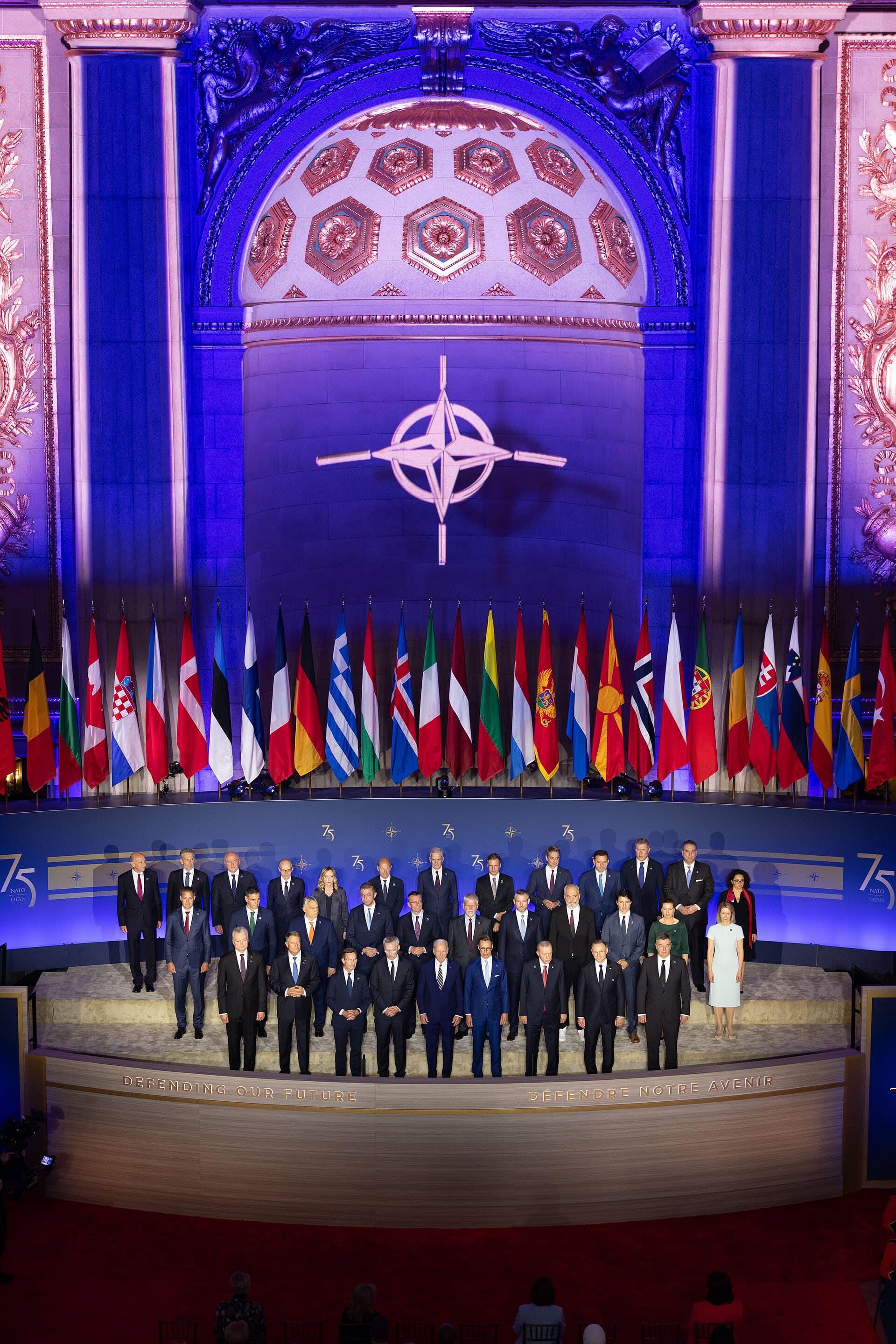
At last year’s summit in The Hague, allies agreed to aim for spending 5% of gross domestic product on defense and defense-related measures within a decade. Trump praised that pledge, and it stood as a major achievement for Rutte in the first 20 months of his tenure. The White House meeting turned that promise into a pressure point: allies want to prove they are moving faster on money, on deployable forces and on industrial capacity before Trump arrives in Ankara.
NATO’s own priorities are now spelled out in those terms. The alliance wants more forces, more resources and a much stronger industrial base, a message that also reflects how fragile its internal bargaining has become. U.S. Defense Secretary Pete Hegseth recently criticized allies in Brussels, adding to the sense that the summit could expose fault lines just as the Pentagon reviews the size of the U.S. military footprint in Europe.
The backdrop is a wider strain over the Iran war and renewed U.S. threats to draw down troops in Europe. For Rutte, the immediate task was not just to defend NATO policy but to manage Trump risk, persuading the president that the alliance is still paying up enough to hold his attention. The coming summit in Ankara will show whether that effort was enough to keep the transatlantic bargain intact.
This article was produced by Prism’s automated news system from verified source data, official records, and press releases, then run through automated quality and moderation checks before publishing. The system is built and supervised by the people who set the standards it runs under. Read our full AI policy.
Know something we missed? Have a correction or additional information?
Submit a Tip

