Navy chief ousted as Trump battleship plan fuels Pentagon power struggle
John Phelan was fired just after defending a $17 billion Trump battleship that would not be ready until 2036. The ouster exposed a fight over prestige, timelines and power inside the Pentagon.

The Pentagon’s abrupt firing of Navy Secretary John Phelan laid bare a deeper fight over whether the service should build Donald Trump’s flagship battleship vision or retreat to cheaper, faster ships that fit the Navy’s industrial limits. Phelan was removed effective immediately on April 22, 2026, and Hung Cao was named acting Navy secretary.
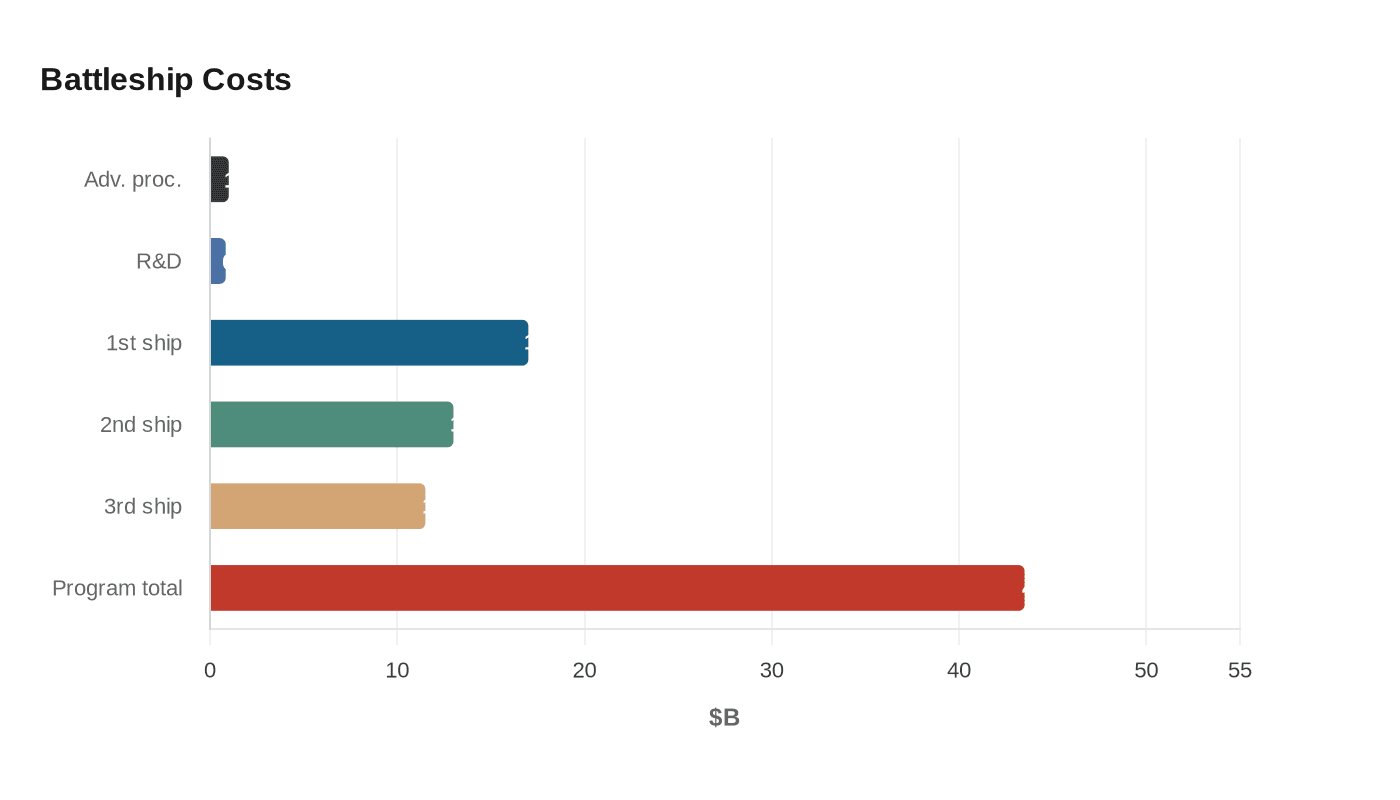
The program at the center of the dispute is the Trump-class battleship, also called BBG(X), a ship the Navy has already placed in its five-year budget outlook for fiscal 2028. The service plans to seek $1 billion in advance procurement funding and $837 million in research and development in fiscal 2027. The first ship is projected to cost about $17 billion to buy, with the broader program reaching about $43.5 billion across the future-years defense plan.
The timeline is even more revealing than the price tag. The Navy has targeted a lead-ship award for April 2028, with construction beginning in August 2028 and delivery not expected until August 2036. The second and third ships are projected for fiscal 2030 and fiscal 2031, with estimated procurement costs of about $13 billion and $11.5 billion. That schedule underscored how far removed the project was from any campaign-style promise of fast industrial revival.
Inside the Pentagon, the battleship became a fault line. Defense Secretary Pete Hegseth and Deputy Secretary Stephen Feinberg favored smaller, cheaper uncrewed ships, while Phelan promoted the battleship as part of Trump’s broader “Golden Fleet” concept. His removal was linked in part to criticism that he was moving too slowly on shipbuilding reforms and had fallen out with Hegseth, Feinberg and Hung Cao. An ethics investigation into Phelan’s office also hovered over the decision.
Phelan had publicly defended the ship one day before his dismissal at the Sea-Air-Space conference in Washington, where he argued that the Navy needed a budget instead of continuing resolutions and said the new battleship would anchor the service’s future fleet. The remarks now read as a final defense of a project that collided with budget politics and the realities of a shipbuilding base that cannot move at presidential speed.
The episode fits a wider pattern under Hegseth, who has already overseen the removal of senior military leaders including Joint Chiefs Chairman C.Q. Brown and Army Chief of Staff Randy George. It also comes as the Navy faces pressure in the Middle East and the Strait of Hormuz and as China’s shipbuilding industry continues to dwarf the United States. In that environment, Phelan’s ouster is more than a personnel change: it is a case study in how politicized procurement can distort military planning, strain accountability and turn a warship into a test of loyalty.
This article was produced by Prism’s automated news system from verified source data, official records, and press releases, then run through automated quality and moderation checks before publishing. The system is built and supervised by the people who set the standards it runs under. Read our full AI policy.
Did this article answer your question?