NTSB cites air traffic strain, warning failures in LaGuardia collision
A failed alert system, a busy tower and a misdirected warning left little margin before the LaGuardia runway collision that killed two Air Canada pilots.
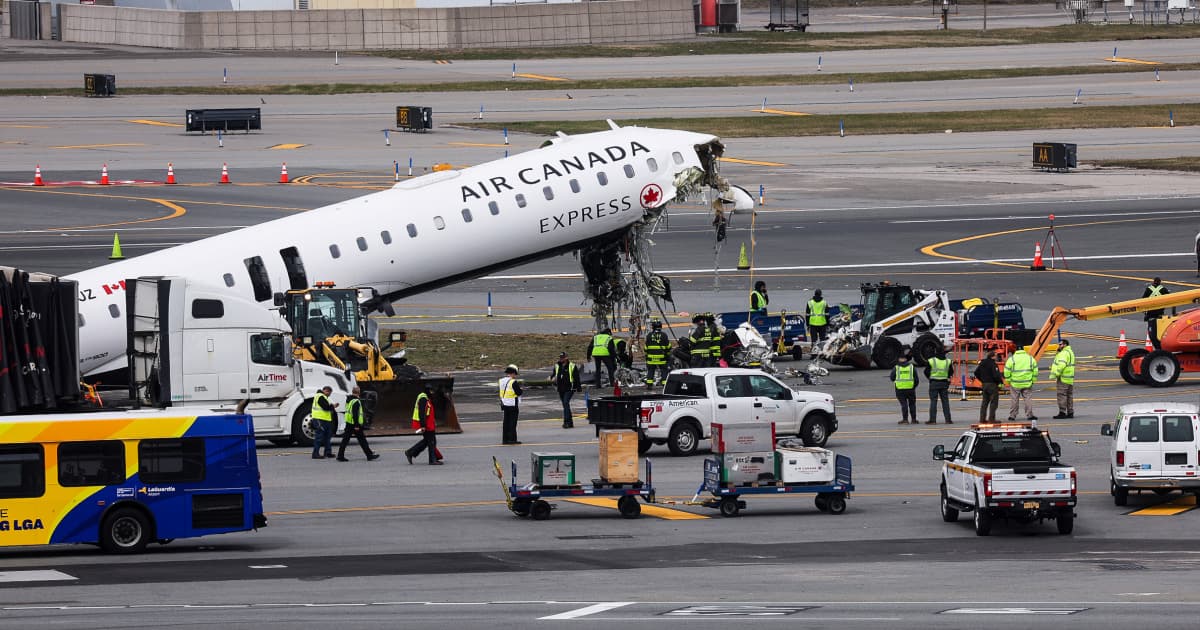
A crowded LaGuardia tower, a warning that did not reach the right crew in time and an automated alert system that stayed silent combined into a chain of breakdowns that the National Transportation Safety Board says helped set up a deadly runway collision.
Jazz Aviation LP Flight 646, operating as Air Canada Flight 8646, was landing on Runway 4 at LaGuardia Airport at 11:37 p.m. EDT on March 22 when the Mitsubishi/Bombardier CRJ-900, registered C-GNJZ, struck Rescue 35, an Oshkosh Striker 1500 aircraft rescue firefighting vehicle. The captain and first officer, Antoine Forest, 24, and Mackenzie Gunther, 30, were killed. Thirty-nine people were transported to local hospitals, and six serious injuries were reported. The flight was a scheduled Part 129 service from Montréal-Trudeau International Airport to New York.
The preliminary report points to multiple warning failures. The tower’s crash-prevention system did not generate an audio or visual alert, and runway entrance lights that function like stop lights for crossing traffic remained on until about three seconds before the impact. Investigators said the truck’s turret operator heard an air traffic controller say, “stop, stop, stop,” but did not realize the warning was meant for the vehicle until the controller repeated, “Truck 1, stop, stop, stop.” By then, the fire truck was already on the runway. The controller had cleared the truck to cross just 12 seconds before the plane touched down.
Radio traffic added another layer of risk. Investigators said an airport vehicle transmission about nine seconds before the collision was stepped on by another transmission, and the source of that overlapping call has not yet been identified. The preliminary findings are subject to change, but they already underscore how fragile the margin can be when crews and controllers are working under pressure.
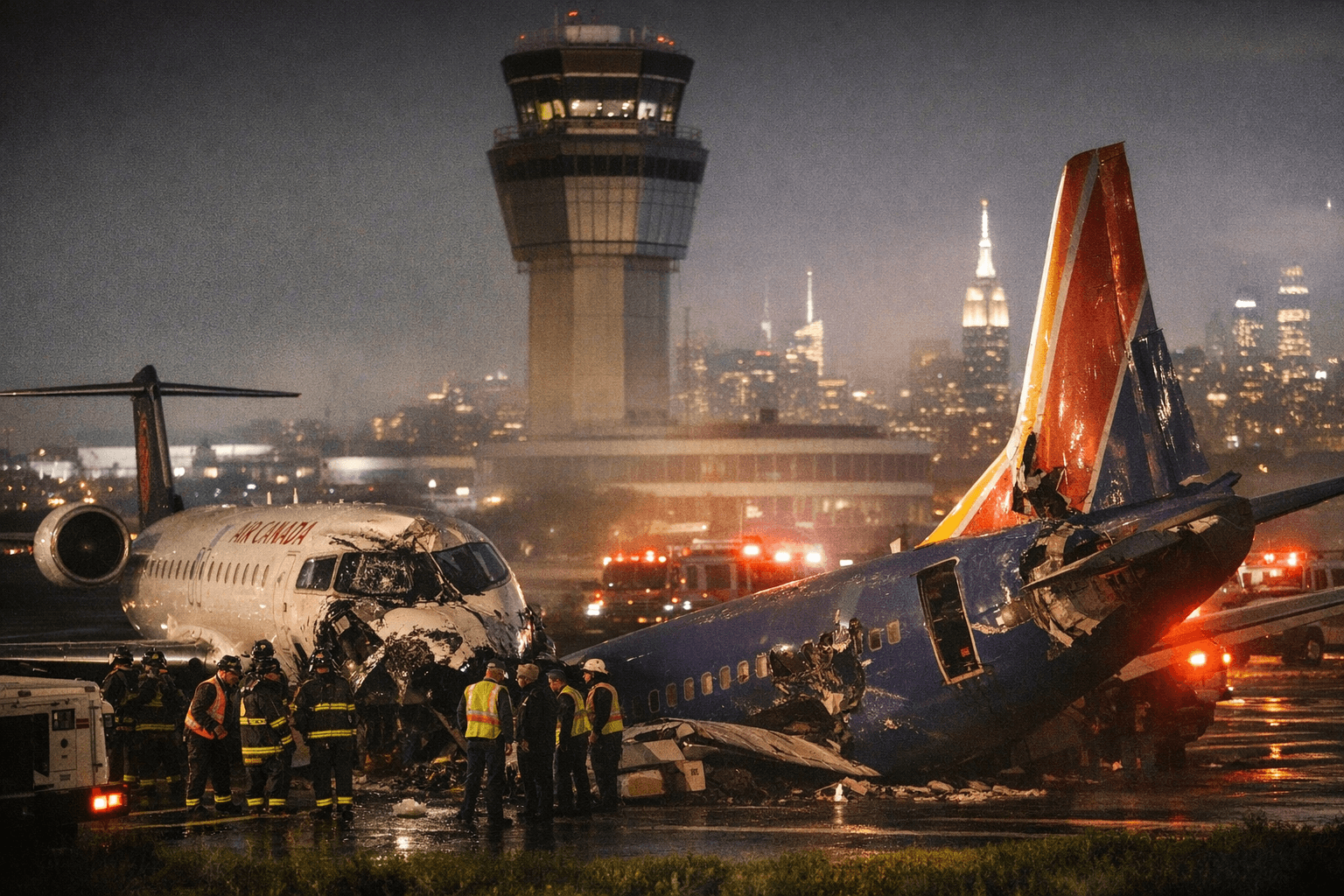
That pressure was high. Flight delays pushed post-10 p.m. LaGuardia arrivals and departures to more than double the scheduled number, with aircraft landing every few minutes and a dozen flights arriving between 11 p.m. and the crash less than 40 minutes later. The tower was also managing an emergency response to an odor reported in the cabin of an outbound United Airlines flight that had made flight attendants feel ill. That response involved six vehicles, including four fire trucks, a stair truck and a police vehicle.
NTSB Chair Jennifer Homendy said there were two people in the LaGuardia tower cab at the time of the collision, the local controller and the controller in charge, which she said was standard for the midnight shift at LaGuardia. The crash has turned attention to whether ground vehicles should carry transponders that would allow controllers and warning systems to track them more accurately, and to whether the airport’s surface-safety defenses failed as a system rather than as a single mistake.
This article was produced by Prism’s automated news system from verified source data, official records, and press releases, then run through automated quality and moderation checks before publishing. The system is built and supervised by the people who set the standards it runs under. Read our full AI policy.
Did this article answer your question?

