NCA and police call for blocking children from unsafe sites
Police chiefs want under-16s barred from sites that cannot stop nude imagery or stranger contact, as ministers weigh age checks and platform liability.
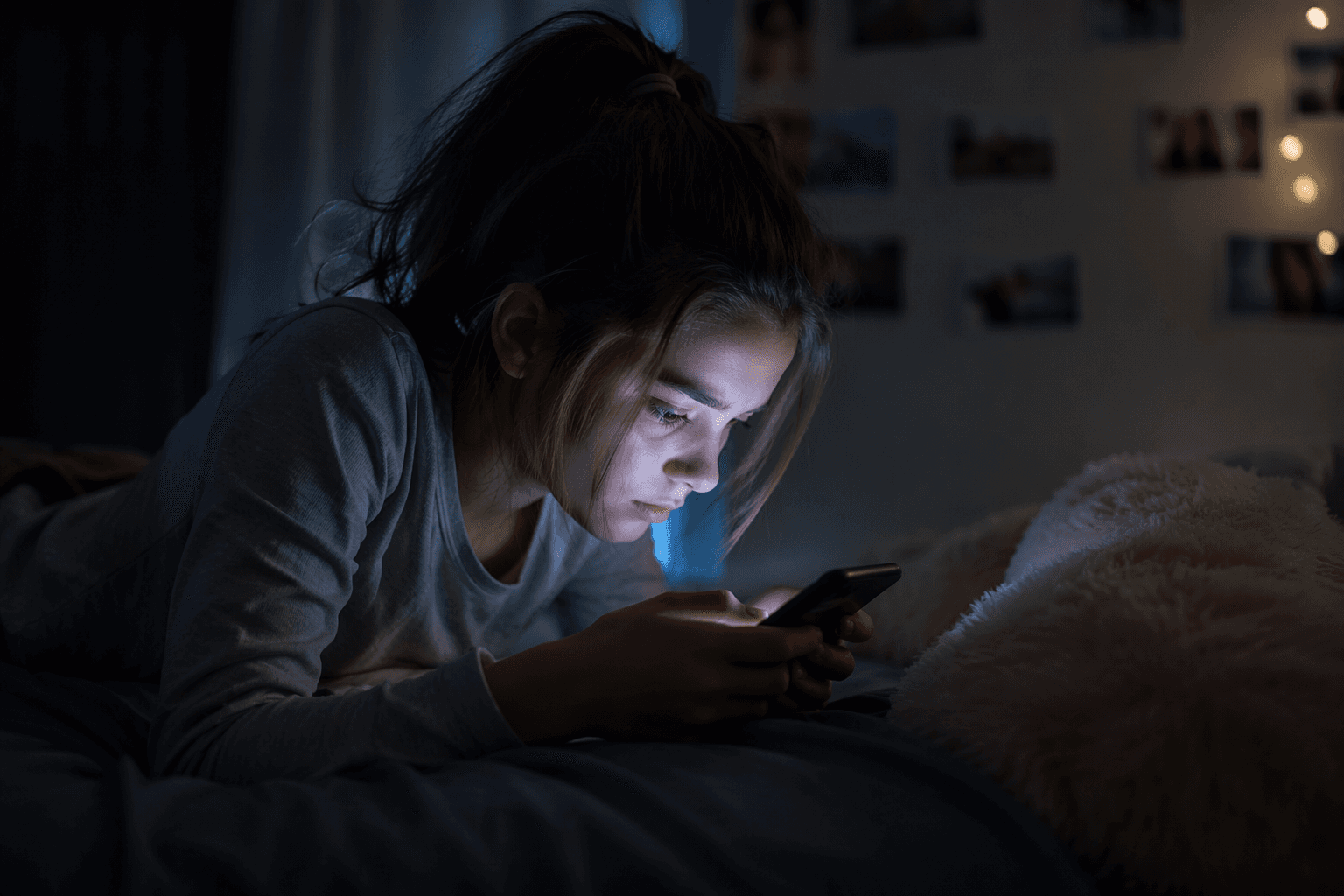
Children should be blocked from platforms that cannot stop them seeing sexual content or being contacted by strangers, police leaders said, putting Britain’s online safety regime to a direct test of enforceability.
The National Crime Agency and the National Police Chiefs’ Council made the case as ministers ran a consultation on children’s online safety that opened on 2 March 2026 and closes on 26 May. The government is weighing a minimum age for social media, limits on design features such as infinite scrolling and autoplay, a higher digital age of consent and tougher age-verification rules.

The push comes as the National Crime Agency says technology has reshaped serious and organised crime. In its 2026 assessment, the agency said social media and communication platforms help offenders identify and target victims, recruit others and operate across jurisdictions at scale. It said platforms including Discord, Facebook, Instagram, Snapchat, Telegram, TikTok and X are attractive to offenders because of their reach, interconnectivity and perceived anonymity. The same assessment said the share of children reporting upsetting online experiences rose to 25% in 2025, from 10% in 2024.
The scale of abuse already underpins the argument for tighter controls. The National Crime Agency said the National Center for Missing and Exploited Children received more than 20 million reports of suspected online child sexual exploitation in 2024, while its own Child Sexual Exploitation Referrals Bureau was receiving about 1,700 reports a week of alleged child abuse on online platforms. NCA and policing partners said they were arresting about 1,000 potential offenders each month and safeguarding about 1,200 children. Separate NPCC figures said undercover officers targeting child abusers online made 1,700 arrests in one year and safeguarded more than 1,000 potential victims.
The regulatory pressure is already changing. The Online Safety Act received Royal Assent on 26 October 2023, and Ofcom said major services including Facebook, Instagram, Roblox, Snapchat, TikTok and YouTube had until 30 April to report what they were doing to keep children safer. From 7 April 2026, most in-scope user-to-user services became subject to a duty to report detected and unreported child sexual exploitation and abuse content to the NCA.
The political argument now turns on how far regulators can go without creating unworkable rules. Dame Rachel de Souza, the Children’s Commissioner for England, has said she would back a ban if ministers produce a clear, enforceable plan, but she has warned against simply pushing children into darker or less regulated parts of the internet. The NSPCC wants the government to go further, including forcing tech companies to keep under-13s off social media and remove harmful content at source. Google’s UK boss has warned that an under-16 ban could drive children towards more dangerous corners of the internet.
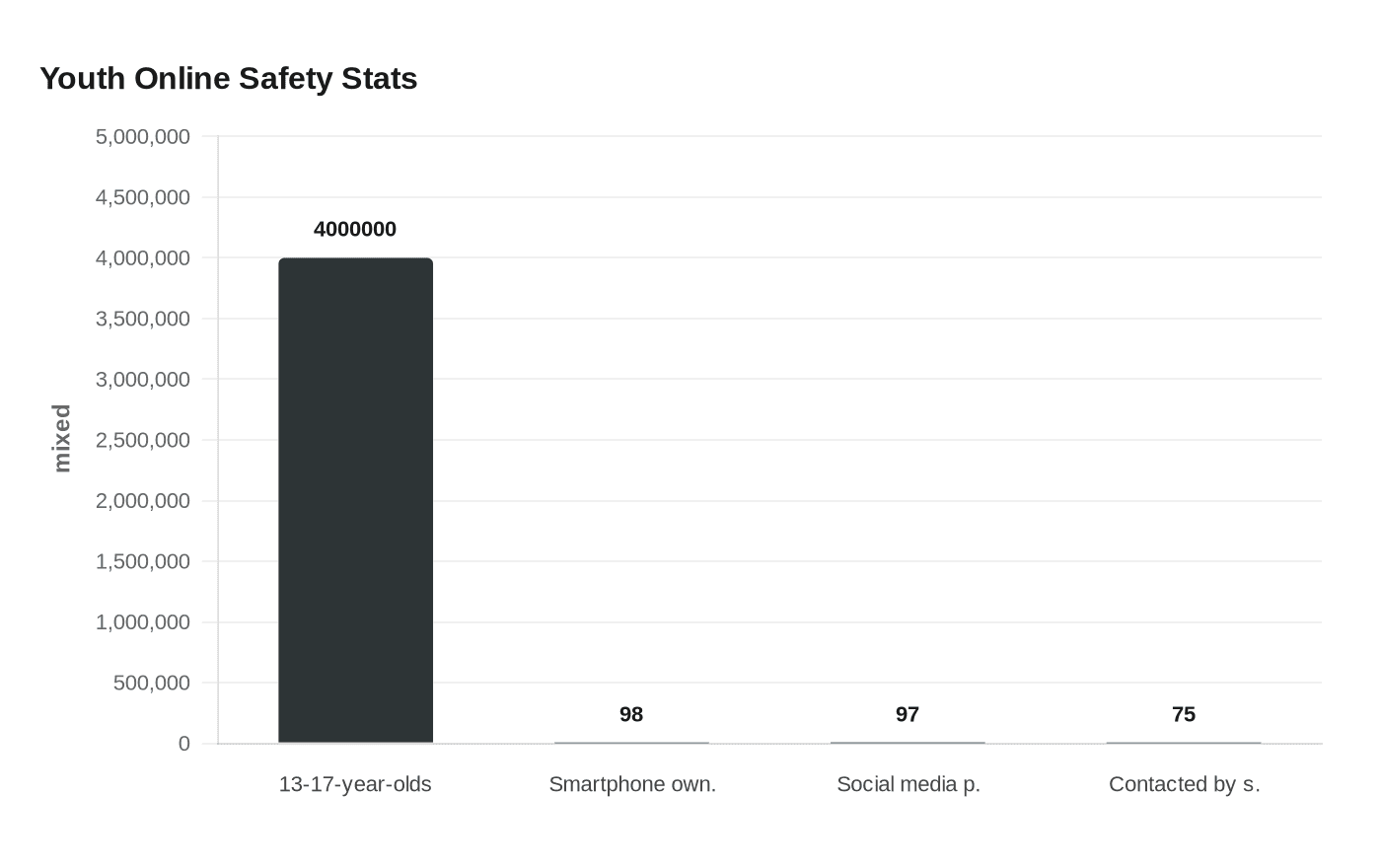
The stakes are high. NPCC material says the UK has more than 4 million 13 to 17-year-olds, 98% own a smartphone and 97% have a social media profile, with the average teenager spending two to three hours online a day. A police-linked survey found 75% of under-16s had been contacted by strangers through social media and online gaming, and more than half of Year 10 pupils had seen sexually explicit or violent content inappropriate for their age. The question for ministers is not just whether children should be kept out of unsafe spaces, but whether “unsafe” can be defined tightly enough to survive the courts, the platforms and the realities of the open internet.
Know something we missed? Have a correction or additional information?
Submit a Tip