Netanyahu Says Iran Campaign Not Over, Faces Backlash at Home
Netanyahu said the Iran campaign was "not yet over" as critics accused him of claiming victory before Israel had met its goals.

Benjamin Netanyahu tried to turn a fragile ceasefire into a case for patience, telling Israelis that the campaign against Iran was “not yet over” and that he still had “more to do” after what he described as “historic achievements.” The message was aimed at a home front that has grown uneasy with the war’s ending, and with a political class now asking whether he was declaring success before the stated mission had actually been completed.
In the video statement, Netanyahu said Israel and the United States had struck Iran’s nuclear and missile programs, and he claimed those attacks had prevented Tehran from reaching nuclear weapons. He had already told Israelis that the country was “very, very close” to completing its goals after U.S. strikes on Iranian nuclear sites. That language put him in a delicate position: he needed to preserve the image of a successful campaign while avoiding any admission that the conflict had stopped short of its full ambitions.
Opposition leaders seized on that gap. They said the war failed to achieve its stated objectives, and Yair Lapid accused Netanyahu of having failed diplomatically, failed strategically, and not met a single goal he had set. The criticism reflected more than partisan point-scoring. It captured a broader unease in Israel over the truce with Iran, where the status of the nuclear program, the ballistic missile arsenal, and Tehran’s regional proxies remained unresolved.
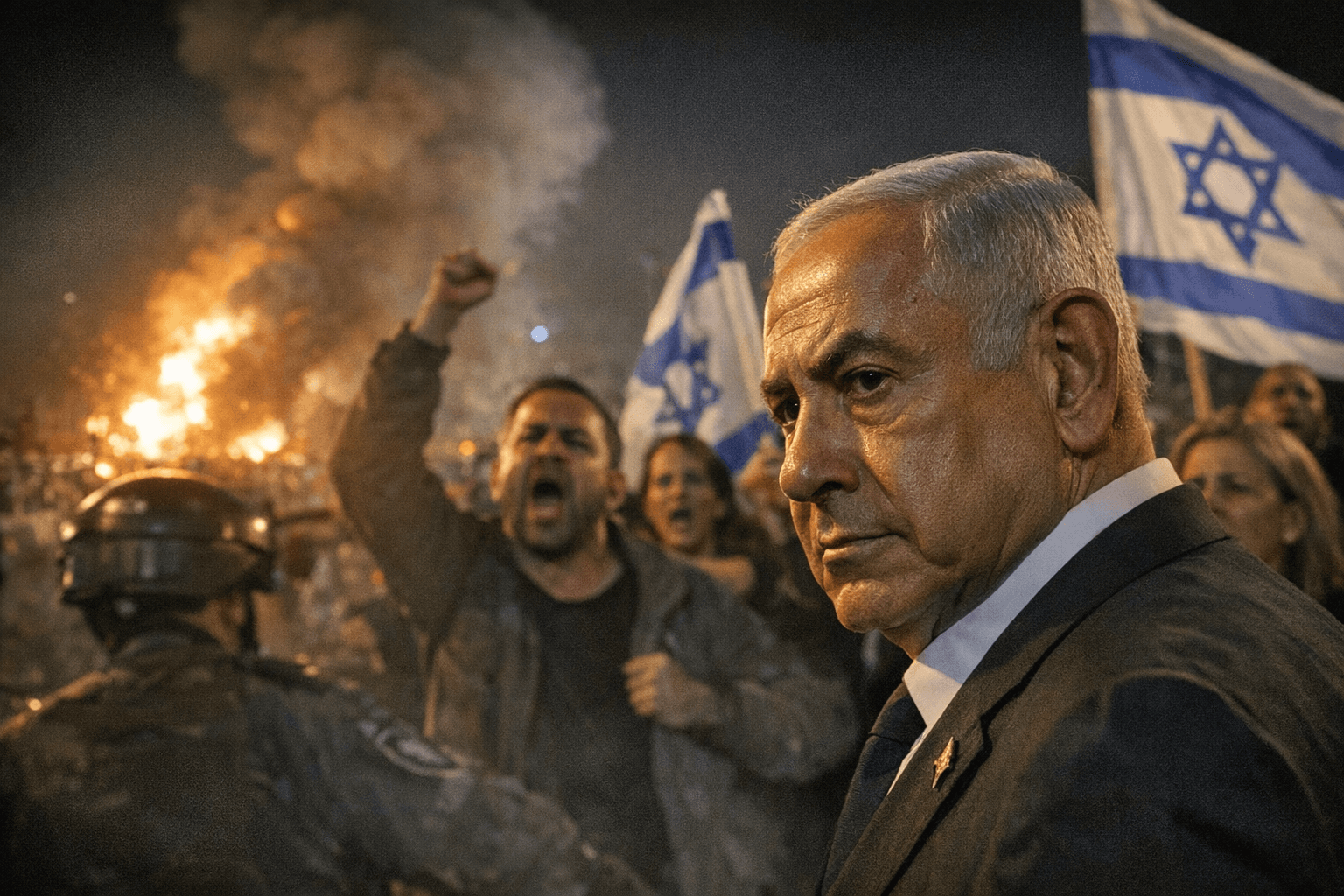
The stakes are high because the conflict began with Israel’s air campaign on June 12, 2025, then widened to include U.S. strikes on Iranian nuclear facilities before a ceasefire was announced in late June 2025. Even after that pause in fighting, the core questions never disappeared. Iran’s nuclear capabilities, its missile force, and the reach of groups such as Hezbollah were left hanging over the ceasefire, feeding doubts in Jerusalem about whether the war had truly ended or simply shifted into a political holding pattern.
Netanyahu’s insistence that the campaign was unfinished served two purposes at once. It signaled resolve toward Tehran, but it also protected him at home from the charge that he had settled for less than victory. In that sense, the argument over whether the war is over is also an argument over whether Netanyahu is describing military reality or political necessity.
This article was produced by Prism’s automated news system from verified source data, official records, and press releases, then run through automated quality and moderation checks before publishing. The system is built and supervised by the people who set the standards it runs under. Read our full AI policy.
Did this article answer your question?