Neurable seeks to license non-invasive brain-reading tech for wearables
Neurable is trying to move EEG-based wearables into the mainstream, but the bigger test is who controls the brain data they collect.
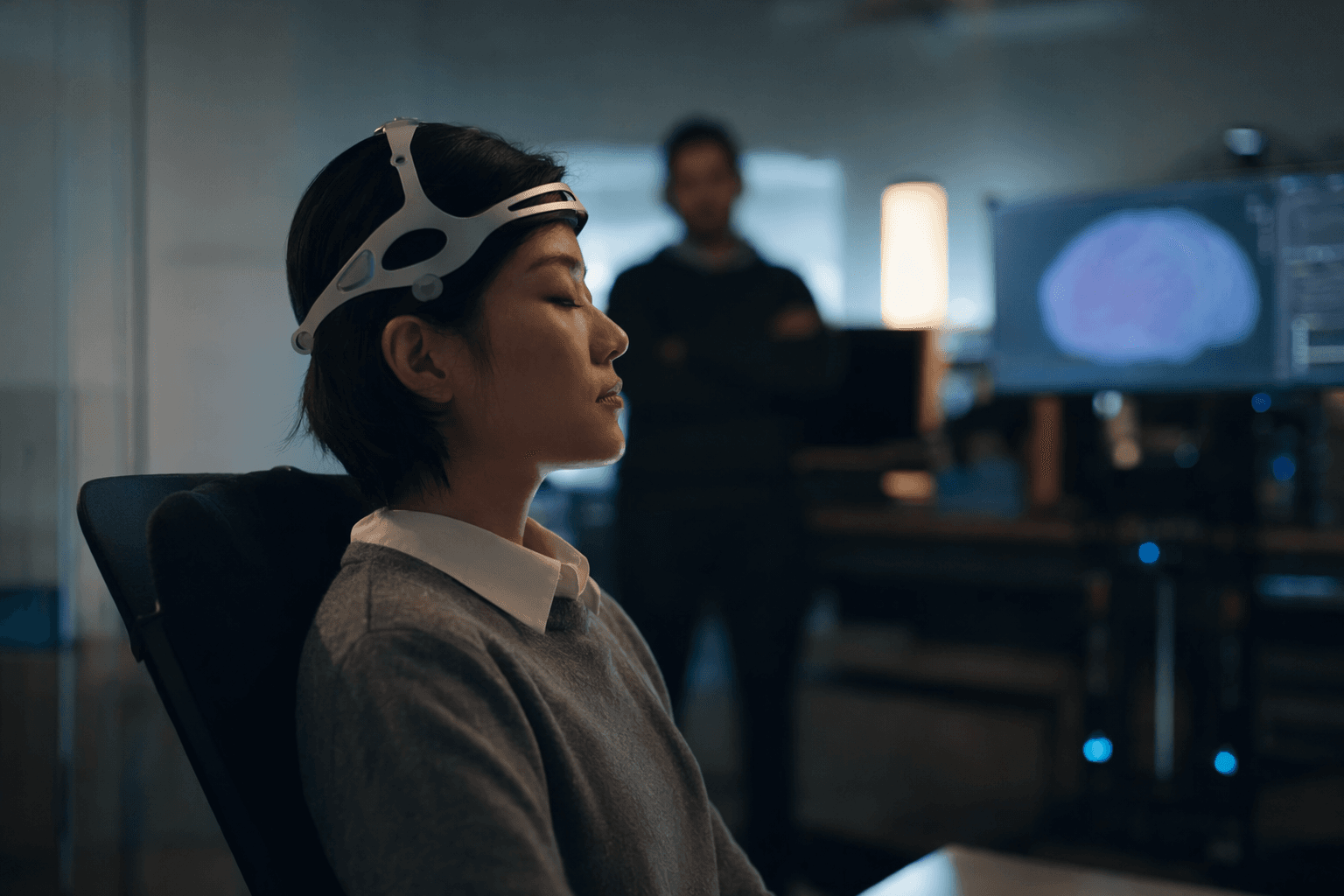
Neurable’s next move is not just about selling headphones or headbands. It is a test of whether consumers will hand over neural data to tech companies, and whether that data will be treated like ordinary wearable information or like a new class of highly sensitive personal records.
The Boston-based neurotechnology company says its system uses EEG sensors, signal processing and AI to analyze brain activity without surgery. In practical terms, that means it can capture electrical signals from the head, not read full thoughts. Neurable is now looking to license that technology to consumer wearables, with planned integrations into headphones, hats, glasses and headbands, and possible uses in health, athletics, productivity and gaming.
That licensing push marks a bigger commercial ambition for a company that began in 2011 as a University of Michigan spinout. Founder and chief executive Ramses Alcaide has said his work was shaped by a family accident involving his uncle and by research at the University of Michigan Direct Brain Interface Laboratory. Neurable has already worked with HP’s HyperX gaming brand and iMotions, and it previously launched the MW75 Neuro headphones with Master & Dynamic. CES listed MW75 Neuro as one of the first EEG-enabled wearables aimed at the consumer market.
The company’s expansion comes after a financing run that included a $13 million round in May 2024 from Ultratech Capital Partners, TRAC, Pace Ventures and Metaplanet, followed by a $35 million Series A in December 2025. Neurable said it had raised $65 million in total by then, a war chest that should help it push brain-sensing hardware from niche demos into broader consumer products.
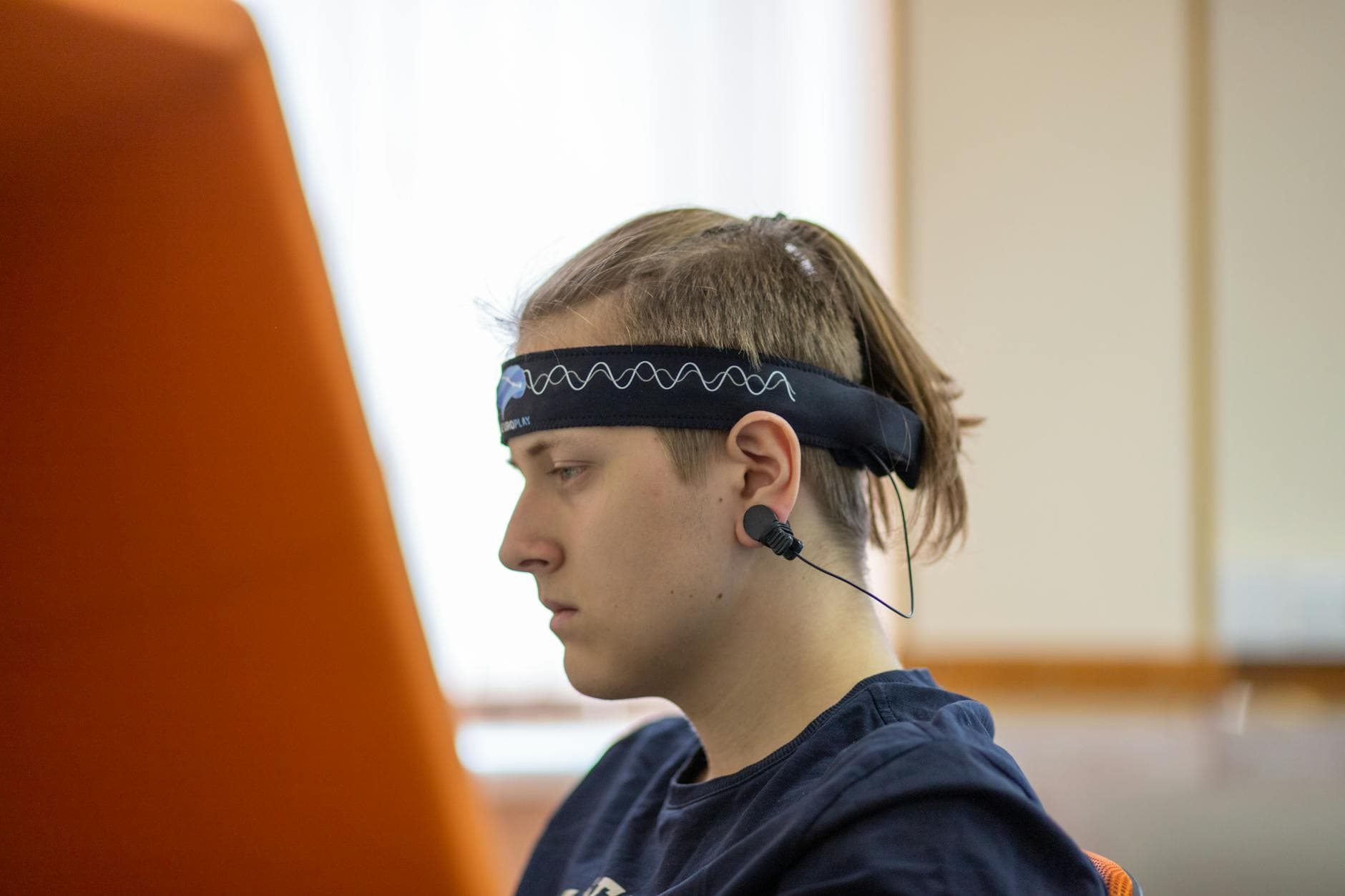
That commercial opportunity is colliding with sharper questions about privacy and ownership. The U.S. Government Accountability Office said in December 2024 that brain-computer interfaces have emerging nonmedical uses in the workplace, national defense and entertainment, while warning about unclear data ownership and control and potentially predatory or unclear user agreements. A 2024 Neurorights Foundation report found that only one of 30 consumer neurotechnology companies had meaningful restrictions on data use or resale, and fewer than half encrypted or de-identified user data.
Regulators are moving toward a stricter view of the issue. In March 2025, the United Nations privacy rapporteur, Ana Brian Nougrères, called neurodata highly sensitive personal data and urged specific regulation, informed consent and stronger safeguards against misuse and manipulation. Earlier neuroethics work in Nature argued that existing gaps allow the unrestricted decoding and commerce of neurodata and said brain-derived data should be treated as sensitive health data.
For Neurable, mainstream adoption will depend on more than consumer curiosity. Before “mind-reading” features can scale, the company will have to prove that EEG signals can be limited in scope, that users retain meaningful control over their data, and that licensing agreements bar resale, require encryption or de-identification and make consent genuinely informed.
This article was produced by Prism’s automated news system from verified source data, official records, and press releases, then run through automated quality and moderation checks before publishing. The system is built and supervised by the people who set the standards it runs under. Read our full AI policy.
Did this article answer your question?