Neuroprosthetic system helps paralyzed man move hand, feel touch again
A spinal cord injury study helped one man move his hand and feel touch again, and some gains lasted even after the device was switched off.
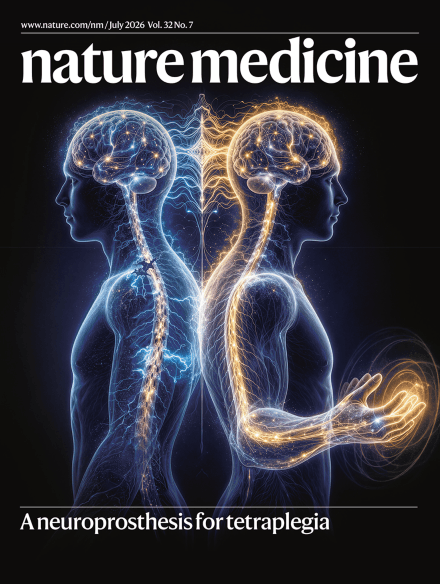
A neuroprosthetic system helped a man with paralysis move his hand and feel touch again after a spinal cord injury, and some of the benefit remained even when the device was turned off. The work, described in a 3.5-year first-in-human clinical study, points to a recovery strategy that goes beyond momentary assistive movement.
The Nature Medicine paper, titled A neuroprosthesis for restoring hand movement and sensation in a person with complete tetraplegia, focused on a single patient with complete tetraplegia. That detail matters: the strongest result so far is not a broad rollout, but a carefully monitored study in one person whose injury had left him unable to use his hand normally.
The finding adds to a field that has been building one step at a time. In 2022, three patients whose lower bodies were completely paralyzed after spinal cord injuries were able to walk, cycle and swim using a nerve-stimulation device. Other groups have pushed in parallel, including NeuroRestore, where scientists at EPFL, CHUV and UNIL have combined rehabilitation robotics with spinal cord stimulation to try to restore movement after spinal cord injury.
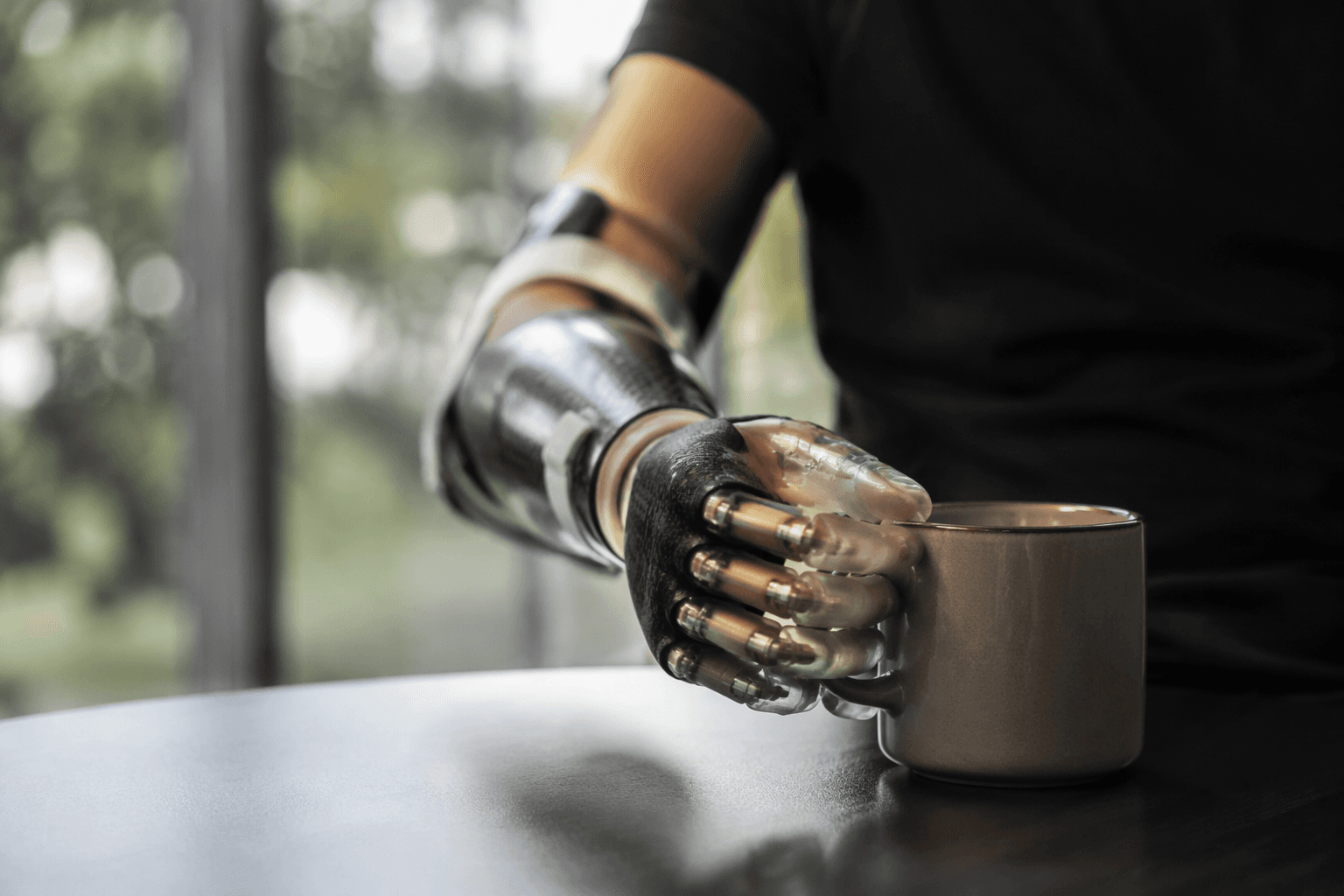
The science is promising, but the road to routine care remains long. A first-in-human study is an early checkpoint, not a finished treatment, and this result still rests on one patient rather than a large trial. The same is true of other recent advances: Spinal Research has backed the Pathfinder2 trial in the United Kingdom, which it described as showing meaningful recovery, including improvements in upper body strength and trunk control. Together, these studies suggest that spinal cord stimulation and related neuroprosthetic approaches may work best when paired with structured rehabilitation rather than used as a simple one-time fix.
For people with spinal cord injuries, the question is no longer whether recovery can be nudged in the lab, but who can reach it first. Based on the evidence now in hand, the earliest candidates are likely to be patients with complete tetraplegia or other severe paralysis who can enroll in specialized research programs. Millions of others with spinal cord injuries, especially those outside major trial centers or with different patterns of damage, are still waiting for proof that these gains can be scaled safely, affordably and at enough speed to matter in everyday life.
This article was produced by Prism’s automated news system from verified source data, official records, and press releases, then run through automated quality and moderation checks before publishing. The system is built and supervised by the people who set the standards it runs under. Read our full AI policy.
Did this article answer your question?