NHS England approves fampridine for multiple sclerosis walking impairment
NHS England opened access to fampridine for adults with MS and walking impairment, a change aimed at up to 5,000 people who may gain about 25% faster walking speed.
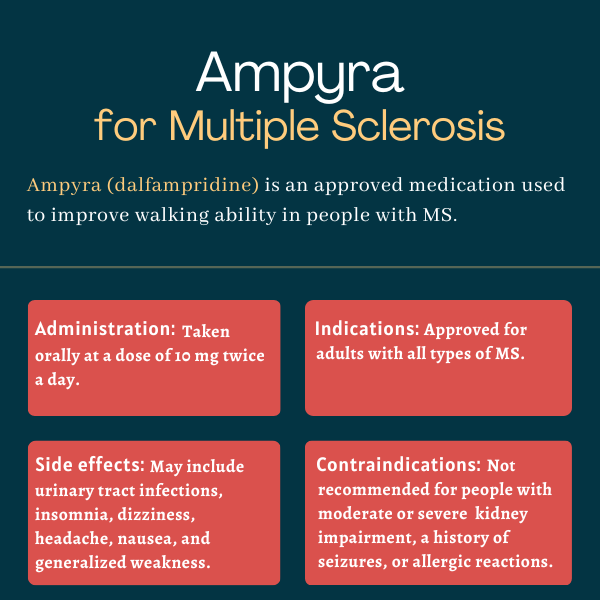
NHS England recommended prolonged-release fampridine for adults with multiple sclerosis and associated walking impairment, ending a long period in which the drug was not routinely commissioned in England. Fampridine, also known as Fampyra or dalfampridine, has been shown to help some people with MS walk faster, with responders typically recording about a 25% to 29% improvement in walking speed.
The NHS England policy, published on July 16, 2026, said PR fampridine should be available as a routine commissioning treatment option for adults with MS and associated walking impairment defined as an EDSS score of 4 to 7. It is restricted to adults in line with the marketing authorisation, so not every person with MS will qualify even after the new recommendation takes effect.

The eligible group is up to 5,000 patients in England, adults whose disability level is high enough to meet the EDSS 4 to 7 threshold but who still stand to benefit from better walking speed in daily life.
NHS England published a clinical commissioning policy for fampridine in July 2016 that said it was not routinely commissioned for MS, and a UK Parliament written answer dated December 5, 2018 reiterated that position. By May 2026, MS Society said the NHS was considering fampridine for use in England, and it was already approved in Scotland, Wales and Northern Ireland.
MS Society said on July 17, 2026: "We’re delighted to share that yesterday NHS England recommended fampridine for use in England. Fampridine is a drug that helps some people with MS with their walking." MS Trust also said on July 20 that it was delighted by NHS England’s recommendation for people living with MS.
Only adults who meet the EDSS 4 to 7 criteria fall within the commissioning policy, so people with milder or more advanced disease will remain outside the funded cohort.
This article was produced by Prism’s automated news system from verified source data, official records, and press releases, then run through automated quality and moderation checks before publishing. The system is built and supervised by the people who set the standards it runs under. Read our full AI policy.
Did this article answer your question?