New drug shows promise against deadly lung scarring disease
A mouse study pointed to a new way to slow lung scarring, but doctors still have no treatment that can reverse pulmonary fibrosis once damage sets in.

Pulmonary fibrosis keeps killing by inches, turning healthy lung tissue into scar and robbing patients of the ability to breathe. A new mouse study has raised hopes for a treatment that could slow that process, but the gap between lab promise and patient reality remains wide because existing drugs can only slow decline, not repair damaged lungs.
Pulmonary fibrosis is one of more than 200 forms of interstitial lung disease, a category marked by progressive scarring that interferes with oxygen transfer into the bloodstream. In idiopathic pulmonary fibrosis, or IPF, doctors cannot identify a clear cause. The disease commonly affects adults in their 60s and 70s and often begins with shortness of breath and cough before advancing to respiratory failure or sudden flare-ups known as acute exacerbations.
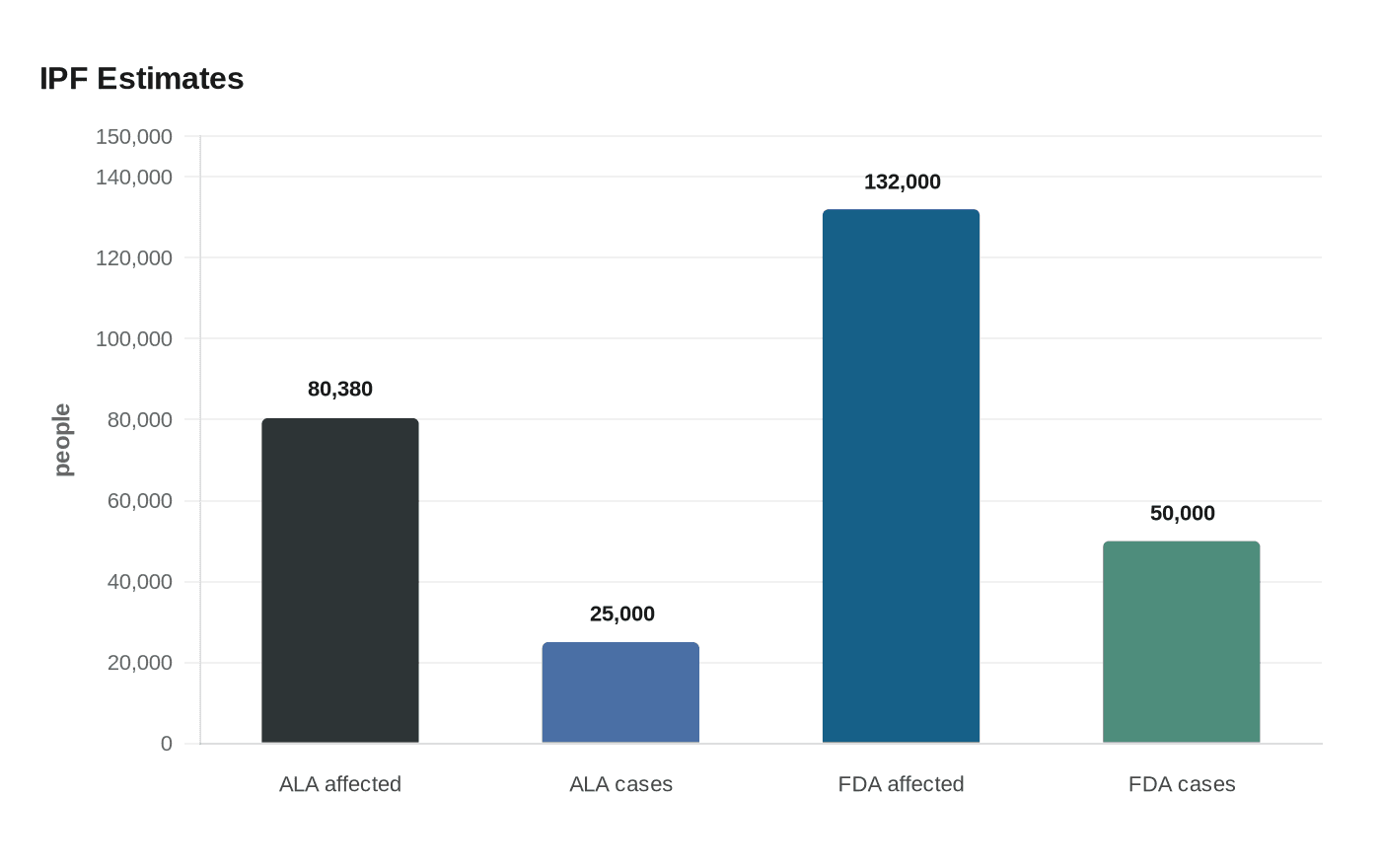
The scale is substantial. The American Lung Association has said IPF may affect up to 80,380 people in the United States and cause about 25,000 new cases each year. Older Food and Drug Administration review materials put the estimate higher, at 132,000 to 200,000 people affected, about 50,000 new cases annually and as many as 40,000 deaths each year. FDA reviewers also described median survival after diagnosis as about three to five years.
That grim outlook is why the latest preclinical result drew attention. The experimental approach worked by activating a protein that appeared to prevent the disease from advancing in mice. That does not make it a therapy for people, but it does give scientists a specific biological target to test further in a condition where, for decades, progress has been incremental at best.
The current treatment landscape underscores the challenge. In October 2025, the FDA approved Jascayd, or nerandomilast, for idiopathic pulmonary fibrosis, calling it the first new therapy approved in more than 10 years for the disease. The agency said patients taking Jascayd had a significantly smaller decline in forced vital capacity than those on placebo in two randomized trials. Before that, the main antifibrotic drugs in the United States were pirfenidone and nintedanib, both approved in 2014.
Even so, the FDA and Mayo Clinic have said the scarring and thickening caused by pulmonary fibrosis cannot be repaired and that no current treatment has proved effective in stopping the disease from getting worse over time. That is the central divide this mouse study exposes: the field is still fighting to move from slowing scarring after it starts to preventing it earlier, before the damage becomes permanent.
This article was produced by Prism’s automated news system from verified source data, official records, and press releases, then run through automated quality and moderation checks before publishing. The system is built and supervised by the people who set the standards it runs under. Read our full AI policy.
Know something we missed? Have a correction or additional information?
Submit a Tip