Texas calf infected with New World screwworm, first U.S. case since 1966
A 3-week-old calf in Zavala County carried the first U.S. screwworm case since 1966, triggering quarantines, sterile fly drops and dog teams near the border.
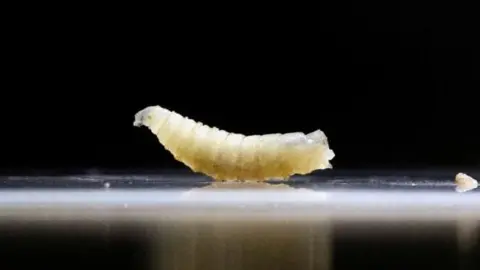
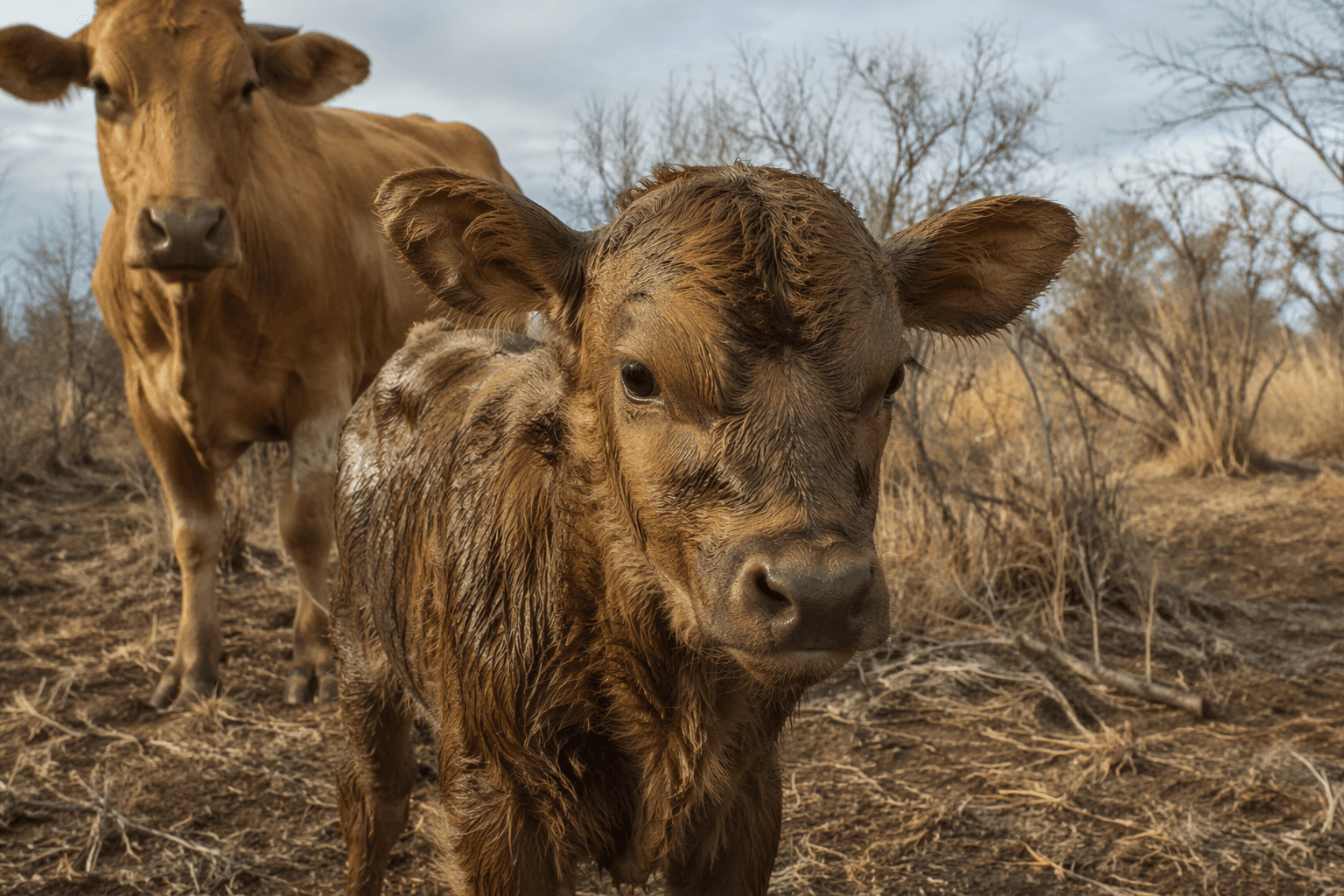
A 3-week-old calf in Zavala County, Texas, has become the first U.S. animal confirmed with New World screwworm since 1966, jolting ranchers and federal officials into a containment effort built around sterile flies, quarantine lines and detection dogs. The larvae were found in the calf’s umbilical area near La Pryor, about 30 miles northeast of the U.S.-Mexico border, and USDA said there had been no further detections at the time of the announcement.
The finding matters far beyond one South Texas pasture. New World screwworm larvae burrow into the flesh of living animals, causing severe tissue damage and, if untreated, death. That puts cattle, horses, pets and wildlife at risk, and USDA has warned that the pest threatens the cattle industry, the food supply and national security. Federal and state officials established a 20-kilometer infested zone around the case and began using quarantines, movement controls, surveillance and outreach to keep the parasite from gaining a foothold.
The response is anchored in the same sterile insect technique that helped erase screwworm from the United States six decades ago. USDA said it was already releasing 4 million sterile flies a week by air and added targeted ground releases after the Texas detection. Officials are also expanding trapping and wildlife surveillance, while detector dogs are being trained to find infestations in animals at ports of entry and along the U.S.-Mexico border. USDA said it plans a domestic sterile fly production facility in Edinburg, Texas, at Moore Air Force Base, and it has announced up to $100 million for innovations such as new traps, lures, therapeutics and production methods.
The threat has been building since 2023 as screwworm spread north through Central America and Mexico. The Centers for Disease Control and Prevention said that as of June 3, 2026, the outbreak had produced more than 171,700 cumulative animal cases and more than 2,070 human cases in Mexico and Central America, though no locally acquired human infestations had been reported in the United States. The history is a reminder of what is at stake: Congress has noted the parasite once spread from the Southwest into the Southeast in 1933 through infested animals, before the United States declared it eradicated in 1966 after decades of work tied to the sterile insect method pioneered by Edward F. Knipling.
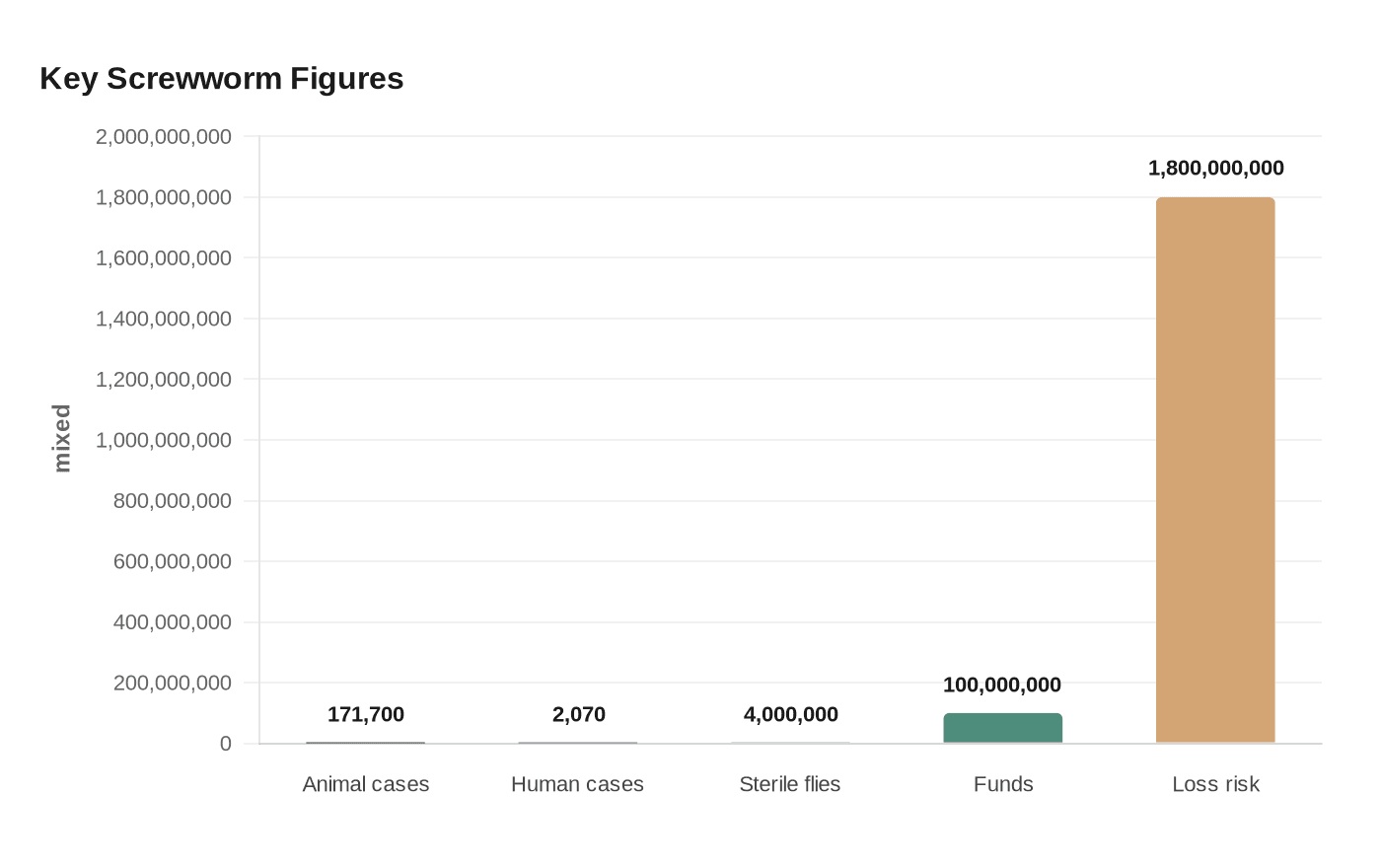
The economic risk is severe if the pest advances. Reuters reported Texas livestock losses could reach $1.8 billion if screwworm spreads, at a time when the U.S. cattle herd is already at its lowest level in 75 years and beef prices are at record highs. That makes the current containment push not just a veterinary response, but a high-stakes defense of the nation’s ranching economy and food supply.
This article was produced by Prism’s automated news system from verified source data, official records, and press releases, then run through automated quality and moderation checks before publishing. The system is built and supervised by the people who set the standards it runs under. Read our full AI policy.
Know something we missed? Have a correction or additional information?
Submit a Tip