PAHO steps up Ebola preparedness across the Americas as risk stays low
PAHO is moving to keep the Americas ahead of Ebola, activating response systems, training 394 officials and lining up lab reagents even as no cases have reached the region.

The Pan American Health Organization has moved to tighten Ebola readiness across the Americas even though the region remains unaffected and the risk is still low. The agency said it activated its incident management system, is coordinating with health ministries, and is preparing shipments of materials and reagents for molecular detection of Bundibugyo ebolavirus to selected countries with the biosafety capacity to use them.
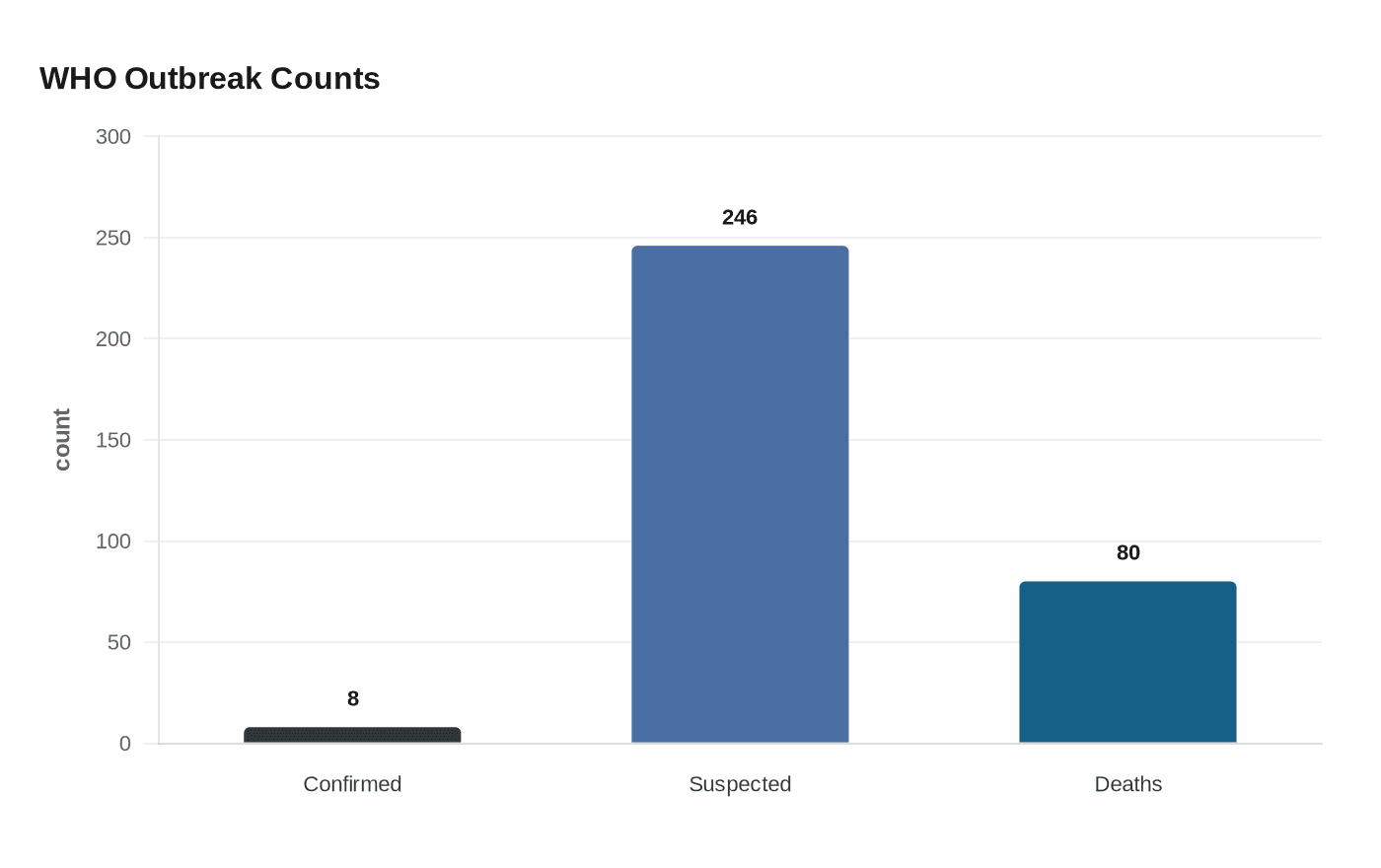
The push comes as the World Health Organization has already declared the Ebola outbreak in the Democratic Republic of the Congo and Uganda a public health emergency of international concern. WHO said the outbreak was declared on May 15, 2026, after Bundibugyo virus disease was confirmed in both countries, and on May 17, WHO Director-General Tedros Adhanom Ghebreyesus determined that it met the threshold for a PHEIC. As of May 16, WHO said there were eight laboratory-confirmed cases, 246 suspected cases and 80 suspected deaths in Ituri Province, including Bunia, Rwampara and Mongbwalu.
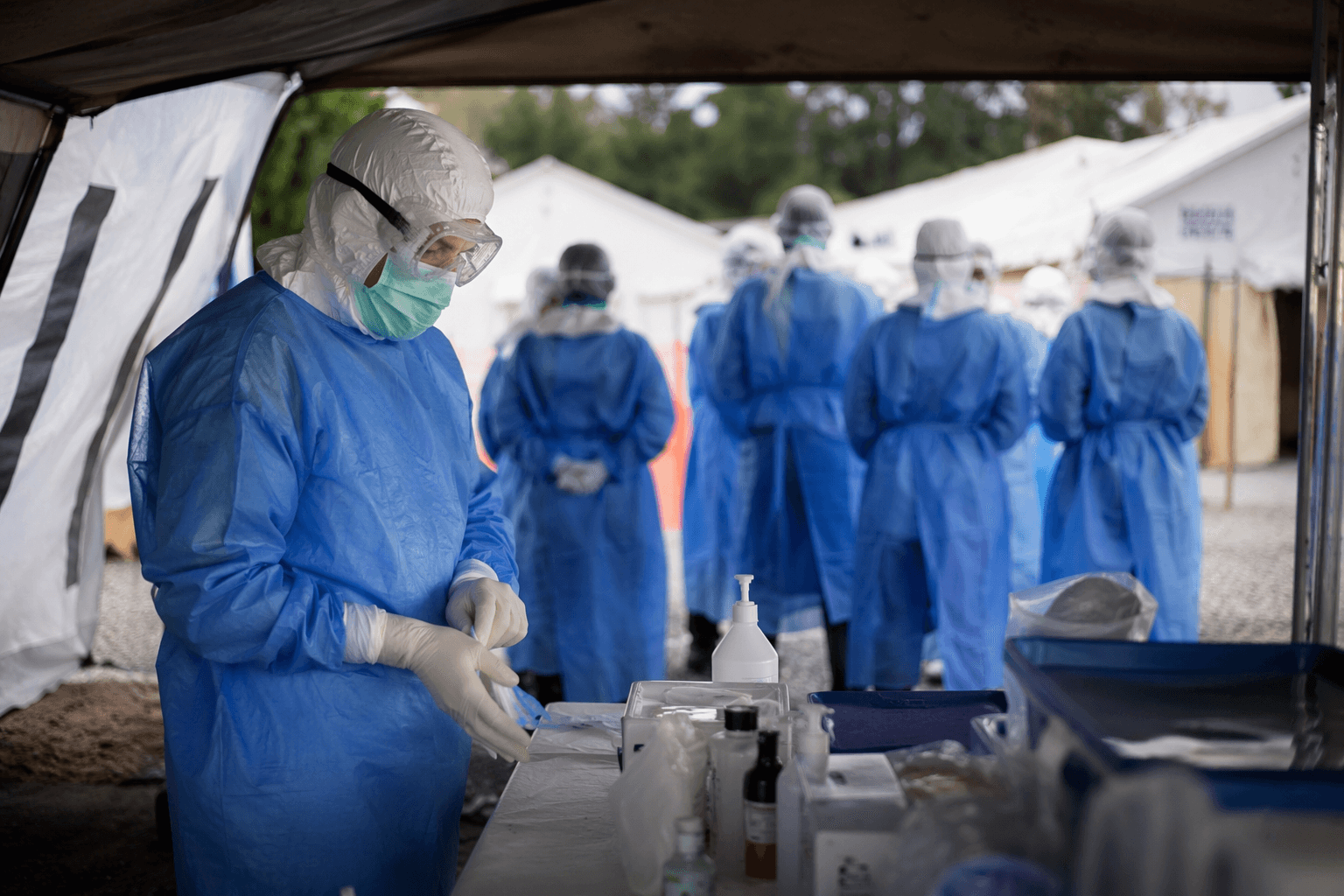
PAHO’s answer is designed to stop a distant outbreak from becoming a hemispheric problem. The agency said its priority is strengthening surveillance, testing, infection control and operational coordination so countries can detect and manage suspected cases quickly if an imported infection appears. WHO says the Bundibugyo species involved has no vaccine or specific treatment, although candidate countermeasures are being studied, which raises the cost of delay for health systems that are caught flat-footed.
That is why the organization convened a regional technical session on June 3 that drew 394 participants from 30 countries across the Americas. The session, organized by PAHO’s Emergency Operations Center, brought together national Ebola preparedness and response professionals and partners from the Global Outbreak Alert and Response Network. Discussions focused on laboratory diagnosis and biosafety, clinical management, infection prevention and control, medical evacuation, and safe and dignified burials.
The regional response also reflects earlier lessons in preparedness. PAHO developed a framework in October 2014 to strengthen national readiness for a possible Ebola introduction in the Americas, and WHO reported the first confirmed imported Ebola case in the United States on Sept. 30, 2014. That history has left health officials sensitive to how fast gaps in surveillance and coordination can turn a contained threat into a broader crisis.
For hospitals, airports and laboratories, preparedness now means having triage protocols, trained staff, biosafety procedures and referral channels in place before a suspected case arrives. For public-health systems in the Americas, the current mobilization suggests they are better organized than they were a decade ago, with clearer coordination lines and more practiced cross-border response capacity. The test is whether those systems can move faster than the virus if the outbreak reaches beyond Africa.
This article was produced by Prism’s automated news system from verified source data, official records, and press releases, then run through automated quality and moderation checks before publishing. The system is built and supervised by the people who set the standards it runs under. Read our full AI policy.
Did this article answer your question?