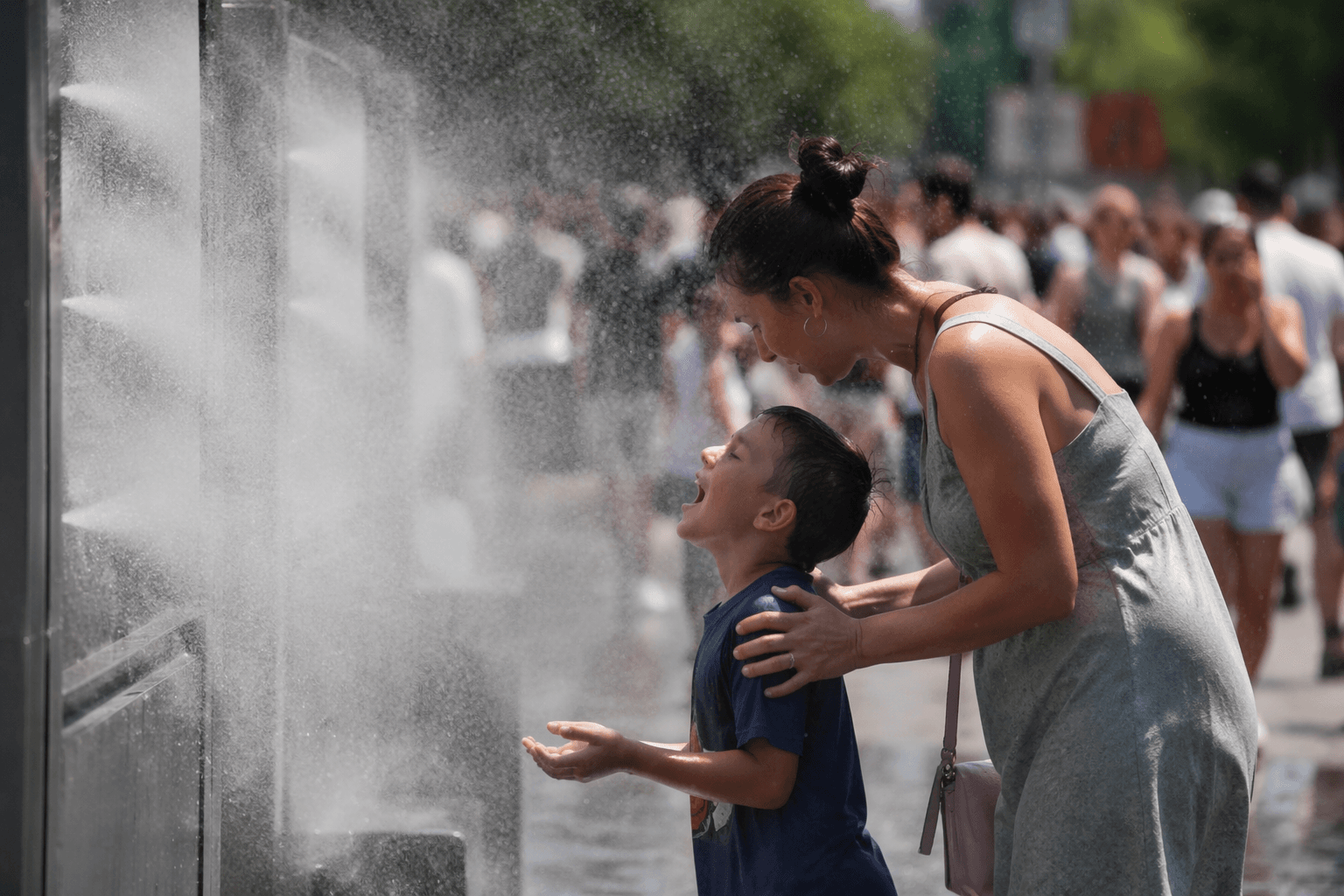
New global SPACES guide for child-friendly public spaces
WHO, UNICEF and UN‑Habitat publish practical guidance to design safe, accessible, child-centred public spaces. Learn principles, data, governance and application steps.
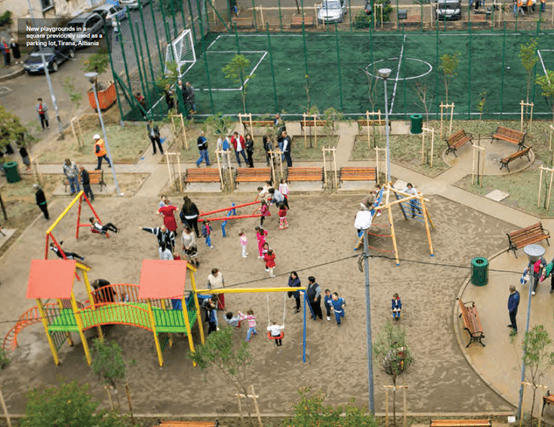
1. Guide overview
The World Health Organization, in partnership with UNICEF and UN‑Habitat, published the Guide to creating urban public SPACES for children (SPACES) to help cities design and manage child‑responsive streets, parks and public places. The document is presented as evidence‑informed and practical, aimed at governments, city leaders, urban planners and local partners seeking actionable design and governance approaches.
2. Purpose and scope
The guide translates children’s rights into urban design, planning and governance practices so children can access safe public spaces that support health, development, learning, play and social ties. It explicitly links these objectives to equity, climate action, resilience and Sustainable Development Goal 11.7 on safe, inclusive and accessible public spaces, prioritizing outcomes for women and children.
3. Evidence and development
SPACES draws on global evidence, technical expert input and consultations including with children themselves to shape recommendations that fit diverse contexts. The document includes city case studies and “ready‑to‑use tools” that local teams can adapt, reinforcing the guidance with practical templates and examples rather than purely theoretical principles.
4. Guiding principles
The guide sets out six guiding principles to shape interventions; five are named clearly in source material and one is listed incompletely as “Sus…”, which is retained rather than inferred. • Safety: Prioritizes design and governance measures to reduce violence, traffic risk and environmental hazards so children can use spaces without fear. • Play: Emphasizes the right to play as a design driver, recommending diverse, age‑appropriate play opportunities integrated into everyday public life. • Access: Stresses proximity and connectivity, tackling physical barriers and transport design so children can reach spaces independently or with caregivers. • Child health: Connects public space design to physical and mental health outcomes, including active transport, green space and clean air. • Equity: Focuses on removing disparities so disadvantaged children and communities gain equal access to quality public spaces. • “Sus…”: The sixth principle is listed incompletely in source texts and therefore not asserted here.
5. Child participation and agency
A core tenet of SPACES is that children must be heard and their needs integrated into policy and decision making, not treated as passive beneficiaries. The guide advises participatory methods and sustained engagement mechanisms so children influence planning, while also recommending ways to communicate rights and services to young people and caregivers.
6. Play, safety and accessibility in practice
SPACES links play, safety and accessibility into practical interventions: safe routes, traffic calming, inclusive play equipment and barrier‑free design for mobility needs. These measures are intended to work together, safer streets increase access to parks; accessible parks expand play opportunities, creating cumulative benefits for child development.
7. Health, resilience and global context
The guidance frames resilient, inclusive public spaces as essential after COVID‑19 and amid growing climate pressures and displacement, noting their role in health promotion and community resilience. It positions upgraded public spaces as part of urban adaptation and recovery, able to improve air quality, encourage active lifestyles and strengthen social ties that buffer shocks.
8. Data, scale and key trends
The guide highlights stark gaps in access: only 44% of urban residents live near open public space, a figure that drops to 30% in low‑ and middle‑income countries, according to accompanying UNICEF webinar materials. It warns that motorization, privatization and urban sprawl are shrinking areas available to children, undermining targets for equitable access by 2030.
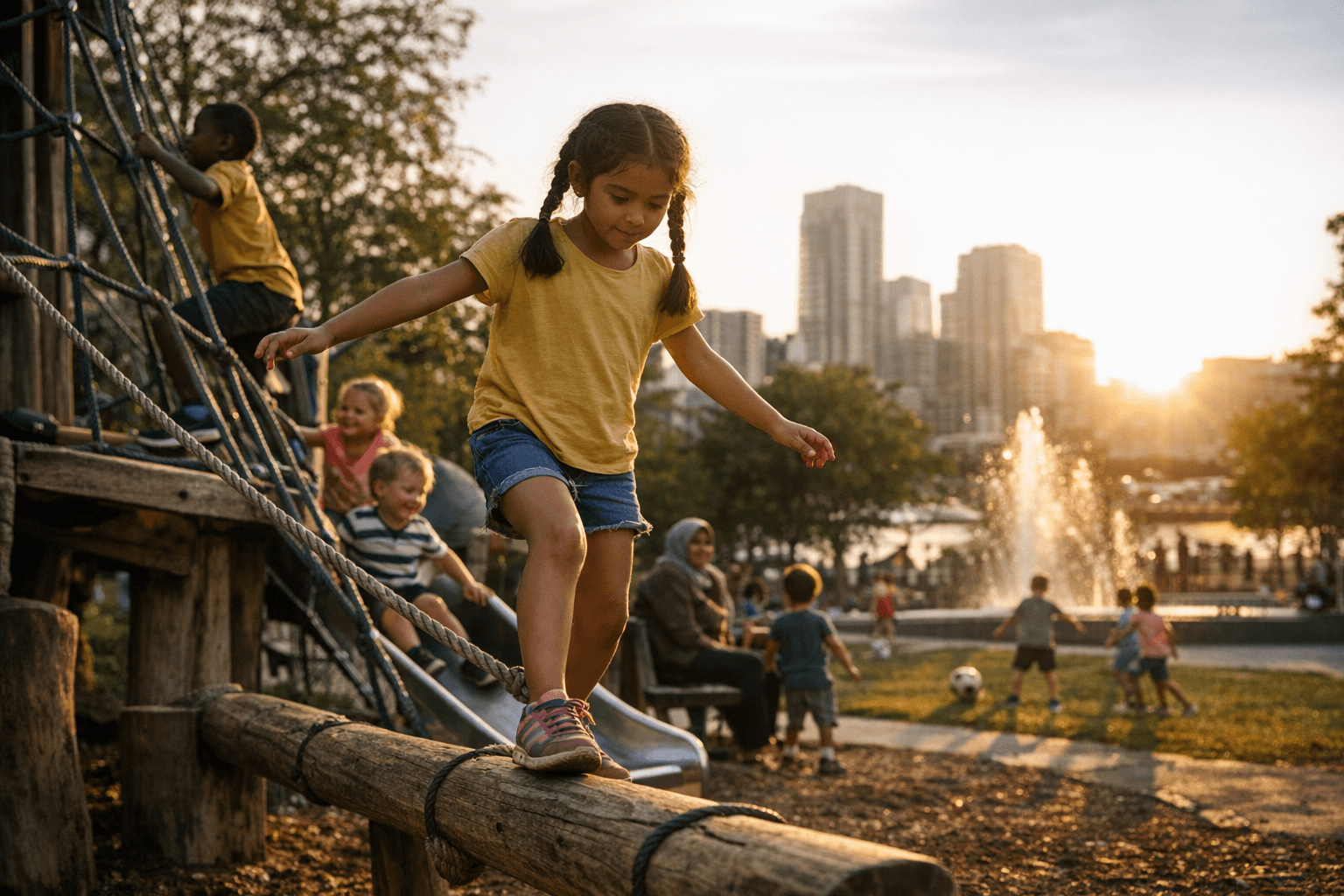
9. Policy and governance levers
UN‑Habitat and UNICEF stress that laws, policies and standards are primary drivers of change because they set expectations and minimum duties for public authorities. Related UN‑Habitat guidance (Child‑Responsive Urban Policies, Laws and Standards) calls for mainstreaming children’s rights into planning and ensuring access to services like clean air, water, safe play and participation channels.
10. Practical delivery and outreach
The release is paired with outreach actions to promote uptake, including an online webinar on 21 January 2026 (16:00–17:00) that presents evidence, case studies and adaptation tools. Named speakers and contributors include Rafael Tuts (Director, Global Solutions Division, UN‑Habitat); Nathalie Röbbel / Dr Nathalie Roebbel (Lead/Technical Lead, Urban Health, WHO); Thomas George (Global Lead for Urban, UNICEF); Sudeshna Chatterjee (Founder, Action for Children’s Environments); Joana Dabaj (Co‑founder & Director of Programmes, Catalytic Action); Victoria Chavez (Urban Technical Lead, Van Leer Foundation); Aline Rahbany (Technical Director, World Vision International); and Faith Awour Adoyo (young community leader, Mto Wangu Initiative).
11. Practical recommendations and precedents
UNICEF materials recommend ongoing publication and communication of child‑oriented policies at new resident events and via family newsletters, systematic information for children and caregivers through schools and workshops, and participatory planning methods. The guidance references prior national and foundation work (Paul Schiller Stiftung 2010; Marie Meierhofer Institut für das Kind) and builds on UNICEF’s Child‑Friendly Cities Initiative as established practice for municipal change.
- Assess provision: Map existing public spaces and gaps against SPACES criteria to establish a baseline for children’s access and safety. • Embed rights: Update local policy and standards to reflect children’s rights to play, safe environments and participation, aligning with UN‑Habitat recommendations. • Design interventions: Pilot traffic calming, inclusive playgrounds and wayfinding that supports independent mobility, adapting the guide’s ready‑to‑use tools. • Communicate and train: Use local campaigns, school partnerships and caregiver workshops to inform families about rights and services. • Monitor and adapt: Track access metrics and user feedback, especially from children, to iterate and scale successful interventions.
12. How municipal teams can use SPACES
13. What this enables for journalists
The guide provides ready evidence, case studies, data points and named experts useful for reporting on urban child wellbeing and policy change. Journalists can use SPACES to assess municipal commitments, profile successful local pilots, interrogate gaps in law and funding, and amplify children’s own voices as part of accountability reporting.
14. Selected quote
“This guide shows how child‑centred urban areas can fulfill the right to play and accelerate progress toward safe, accessible public spaces for everyone by 2030,” said Dr Nathalie Roebbel/Röbbel in source statements accompanying the guide.
Release and access note: SPACES was published 21 January 2026 by WHO in partnership with UNICEF and UN‑Habitat and is accompanied by webinars, flyers and online resources for practitioners to register and consult.
This article was produced by Prism’s automated news system from verified source data, official records, and press releases, then run through automated quality and moderation checks before publishing. The system is built and supervised by the people who set the standards it runs under. Read our full AI policy.
Did this article answer your question?