New isotope tracing study finds 100g milk protein outperforms 25g post-exercise
A 12-hour isotope study found 100 grams of milk protein kept muscle-building elevated far longer than 25 grams, with no sign of a post-meal ceiling.

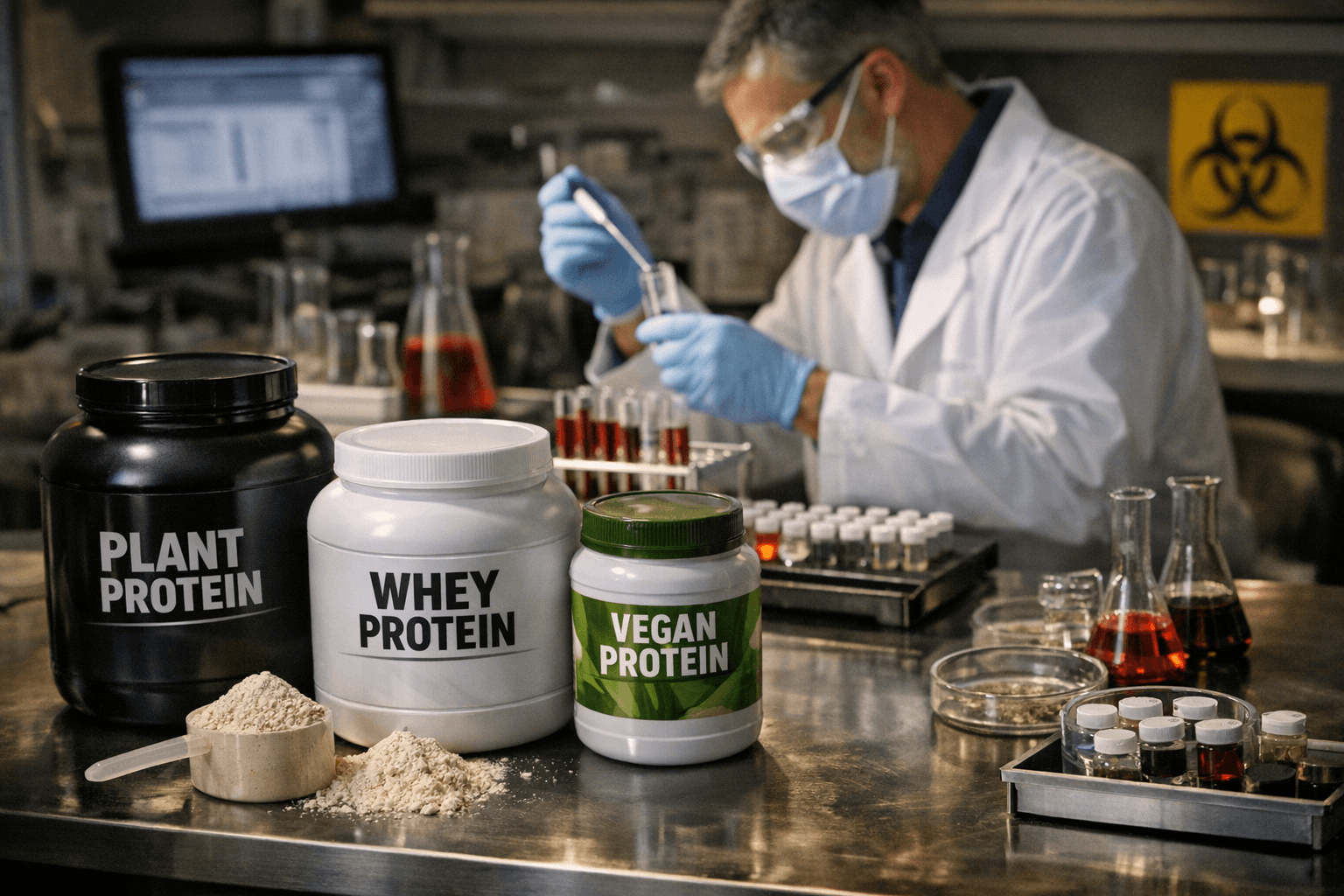
A new isotope tracing study is challenging one of sports nutrition’s most repeated rules: the idea that 20 to 25 grams of protein per meal is enough to max out the post-workout anabolic response. Using a comprehensive quadruple isotope tracer feeding-infusion approach, researchers found that 100 grams of milk protein after exercise produced a greater and more prolonged muscle-building response than 25 grams, with no clear plateau and no significant rise in oxidation.
That result cuts against a belief that has shaped meal planning for years. A 2017 review said the notion of a maximal anabolic response at about 20 to 35 grams of high-quality protein became popular and helped drive advice to spread protein evenly across breakfast, lunch and dinner. The new work suggests the body may keep using more protein for longer than that rule implies, especially in the hours after resistance exercise, when substrate availability appears to sustain anabolism even after signaling has peaked early.
The practical stakes are broad. Athletes who chase recovery targets, older adults trying to blunt age-related muscle loss, and people using time-restricted eating all rely on meal sizing decisions that have often been built around small, evenly spaced protein doses. The new data do not mean more protein is always better in every situation, but they do suggest the old per-meal ceiling is too rigid. For some people, a larger post-exercise protein dose may deliver a longer anabolic window than previously assumed.
The findings also fit a growing body of evidence that has been pressuring the old ceiling from different angles. Earlier work found that about 20 grams of quickly digestible protein isolate optimized muscle protein synthesis rates in the first few hours of recovery. A 2015 study in middle-aged men reported similar muscle protein synthesis responses to 20 grams of milk protein and whey protein, while a 2016 study found 20 grams of whey stimulated greater myofibrillar protein synthesis than 20 grams of micellar casein in young men. More recently, a 2023 crossover study reported that 100 grams of protein produced a greater and more prolonged postexercise anabolic response than 25 grams over more than 12 hours, and said the idea that excess amino acids are simply burned off lacked scientific proof.
The broader picture is not that protein should be piled on indiscriminately. A 2020 review found that evenly distributing protein across breakfast, lunch and dinner produced about 25% greater 24-hour mixed-muscle protein synthesis than a skewed intake pattern in middle-aged adults. But the new isotope data suggest the real question is no longer whether protein matters. It is how much, in what form, and over what time window the body can still turn it into muscle remodeling.
Sources:
Know something we missed? Have a correction or additional information?
Submit a Tip