Chickpea protein market surges on clean-label, plant-based demand growth
Chickpea protein is no longer a side bet: Future Market Insights sees the market rising from $204.8 million in 2025 to $571 million by 2036.
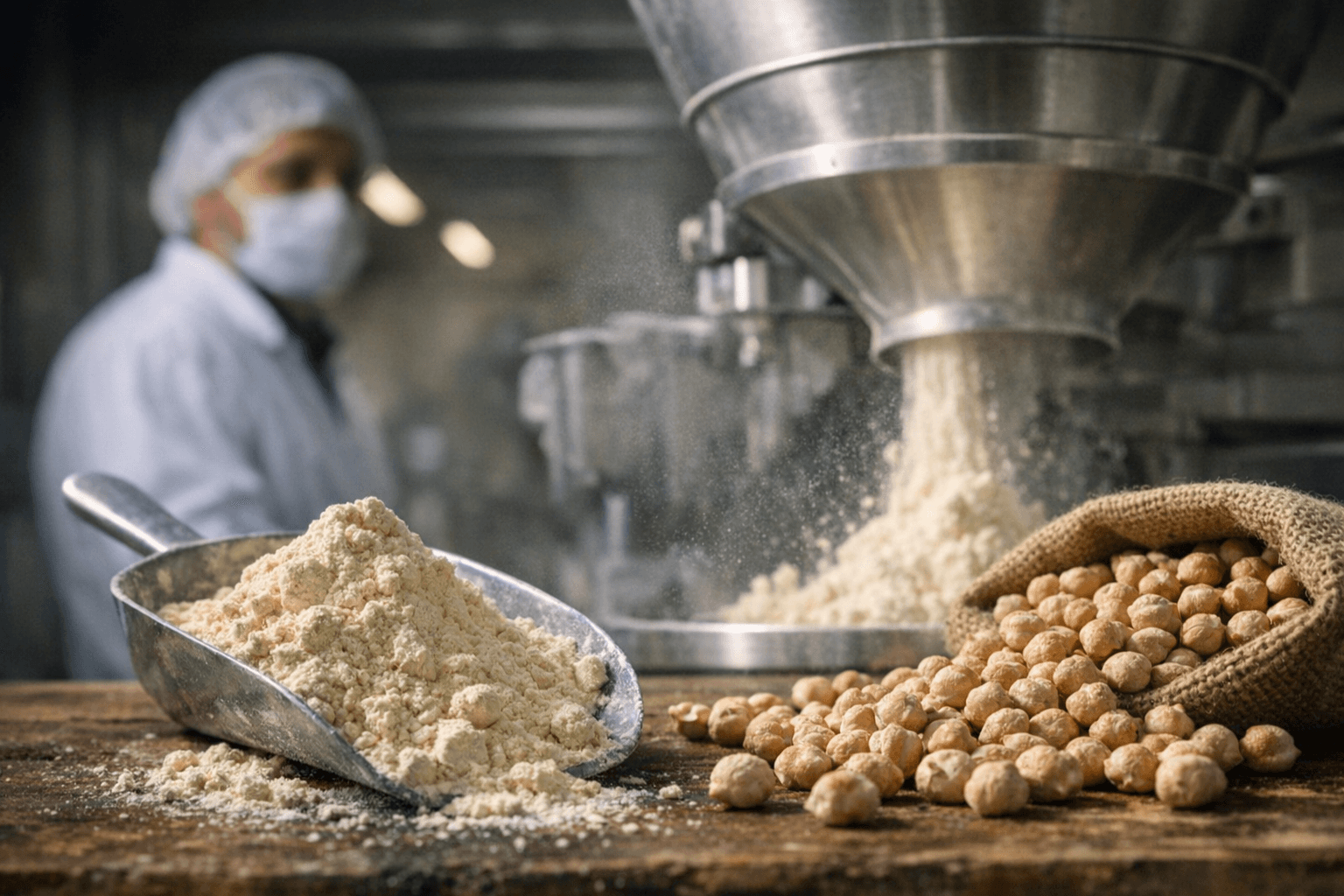
Chickpea protein is moving from a niche pulse ingredient into a real formulation tool, with Future Market Insights pegging the global market at USD 204.8 million in 2025 and projecting USD 571.0 million by 2036. The 10.8% CAGR headline matters, but the sharper commercial question is where chickpea protein can actually beat soy, pea and dairy proteins on taste, texture, allergen positioning and label appeal.
The answer, at least for now, looks strongest in food and beverage processing, which the outlook puts at a 50.0% share in 2026. Isolate is set to lead the category with a 48.0% share, while conventional chickpea protein still accounts for 69.0% of the market, a reminder that the business is still anchored in practical ingredient economics, not just premium nutrition branding. Future Market Insights also says the ingredient is gaining traction in sports nutrition, especially protein powders and bars, where a complete amino acid profile and digestibility advantages can matter as much as the protein number on the panel.
That is the real opening for chickpea protein. It is plant-based without feeling exotic, clean-label without leaning on heavy processing language, and useful in products where allergen avoidance is part of the sales pitch. The use-case list is broad because the ingredient is broad: Tate & Lyle’s GRN 1098 notice for chickpea protein concentrate received a no-questions response from the U.S. Food and Drug Administration, clearing a path for pasta, snack foods, gluten-free and high-fiber bakery products, extruded snacks, non-dairy nutritional drinks and shakes, dry-blend protein powders, meal-replacement bars, plant-based protein products, meat alternatives, dairy alternatives and vegetarian soups. FDA described the concentrate in that notice as containing at least 60% protein.
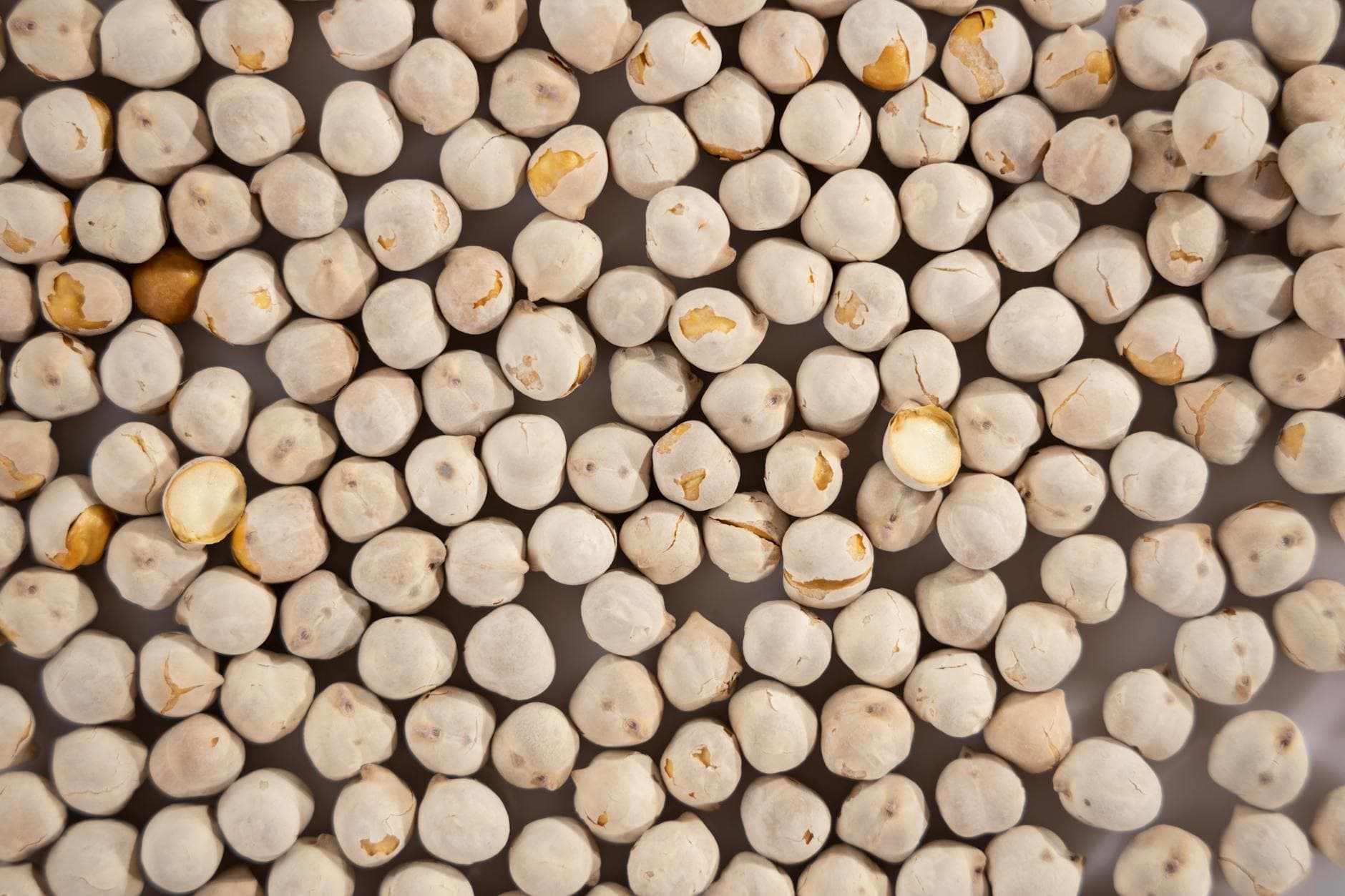
Supply also looks less fragile than it once did. The U.S. Department of Agriculture’s Foreign Agricultural Service says India produced 11.9 million tons of chickpeas in 2021, Australia remains the largest exporter and has accounted for about one-third of global exports over the past decade, and Canadian production is centered in Saskatchewan, which makes up around 80% of output. USDA’s Economic Research Service also said preliminary U.S. per-capita chickpea availability in 2023 rose 52% from the previous year. That gives chickpea protein a credible raw-material base, even if it still has to prove itself against soy and pea on cost-in-use, functionality and application support. For brands and ingredient suppliers, that is where the market will be won.
Sources:
Know something we missed? Have a correction or additional information?
Submit a Tip