New Mexico creates bipartisan truth commission to probe Epstein ranch
Lawmakers voted unanimously to form a subpoena-powered commission to investigate alleged abuses at Jeffrey Epstein’s Zorro Ranch and gaps in official response.
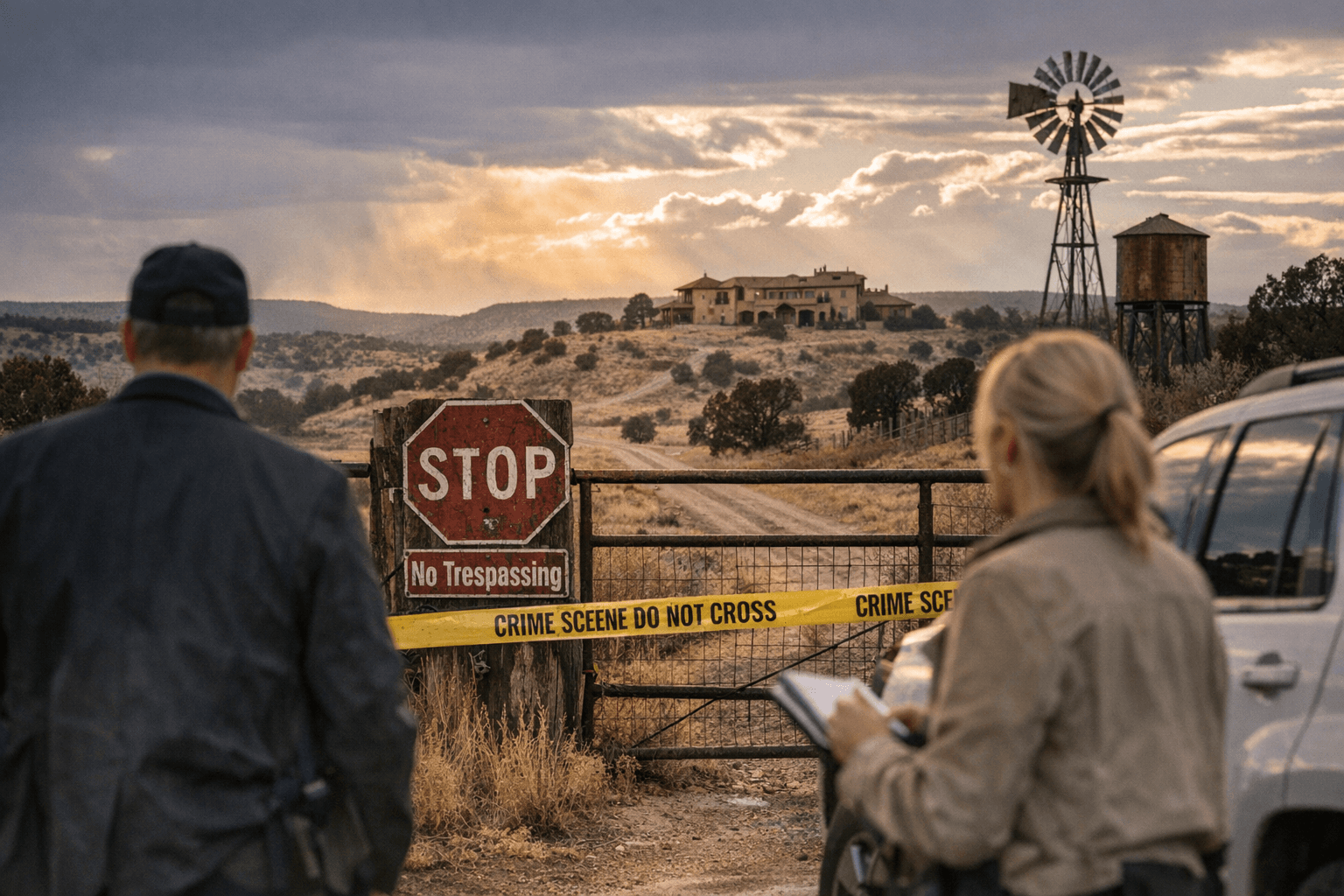
The New Mexico House voted unanimously Monday to create a bipartisan investigatory subcommittee, called a "truth commission," to probe decades of allegations tied to Jeffrey Epstein’s Zorro Ranch in southern Santa Fe County. Lawmakers granted the body subpoena power and, according to an initial report, approved a $2.5 million budget; the first meeting was reported as set for "tomorrow" in that account.
The measure, carried by Representative Andrea Romero of Santa Fe and co-sponsored by Representative Marianna Anaya, is designed to assemble an official record from public documents and witness testimony after what supporters described as incomplete federal and state inquiries. Romero said New Mexicans "deserve to know the truth about what went on at the Zorro Ranch and who knew about it," and argued the commission can "fill in the gaps by investigating the failures that led to the horrific allegations of abuse and crime at Zorro Ranch, so we can learn from them and prevent such atrocities from taking place in our state going forward." She added, "This is really our job, as policymakers, legislators, to figure out why this could happen in our state."
The commission will seek testimony from survivors and local residents and aims to identify ranch guests and state officials who may have known about or participated in alleged sexual abuse at the property, which has been described as a hacienda-style mansion with guest houses, an airstrip and a helipad about 30 miles south of Santa Fe. Sources variably describe the property as roughly 7,500 or 7,600 acres; Epstein bought the ranch from former Governor Bruce King in 1993.
The move follows a 2019 state probe launched by then-Attorney General Hector Balderas that was later put on hold at the request of federal prosecutors to avoid a "parallel investigation," and which closed within the year without charges. Advocates and legislators have argued federal investigations have not compiled a full record of events in New Mexico, and the new body is intended to use legislative investigatory authority to gather documents and testimony that prosecutors and civil litigants have not assembled.
Attorney General Raul Torrez has assigned a special agent to follow up on allegations that may surface from the commission, his office said through spokesperson Lauren Rodriguez, signaling close coordination between the legislative inquiry and the state justice department. The commission is reported to consist of a small group of lawmakers, and its subpoena power raises the possibility of compelling testimony and documentary evidence that could produce referrals for criminal or civil action.
The commission’s prospects echo broader policy and public health concerns. Survivors of sexual abuse, particularly minors and people from marginalized communities, face layered barriers to reporting and care. Public health experts and advocates stress that a truth-seeking process must be trauma-informed, protect confidentiality, and connect survivors to mental health and social supports as part of any hearings or outreach. Lawmakers sponsoring the commission have said the aim is not only to assign blame but to identify systemic failures so the state can reduce future harms and strengthen protections for children and vulnerable adults.
The Justice Department has released extensive Epstein-related files that have raised questions about his ties to political figures and institutions, prompting lawmakers to press for clarity in New Mexico. The commission’s work could reshape local policy on child protection, land leasing oversight and interagency coordination, and it may prompt new records requests and criminal inquiries as evidence emerges. For survivors and a community long wrestling with painful allegations, the panel represents a formal effort to establish what happened and to seek reforms aimed at preventing recurrence.
This article was produced by Prism’s automated news system from verified source data, official records, and press releases, then run through automated quality and moderation checks before publishing. The system is built and supervised by the people who set the standards it runs under. Read our full AI policy.
Did this article answer your question?