New Mexico trial could force major changes at Meta platforms
A New Mexico remedies trial could force Meta to redesign Facebook, Instagram and WhatsApp for minors, or pull the services from the state.

A New Mexico judge is set to weigh whether Meta must change how Facebook, Instagram and WhatsApp operate for minors, a fight that could reach far beyond one state and reshape how the company designs its most widely used apps.
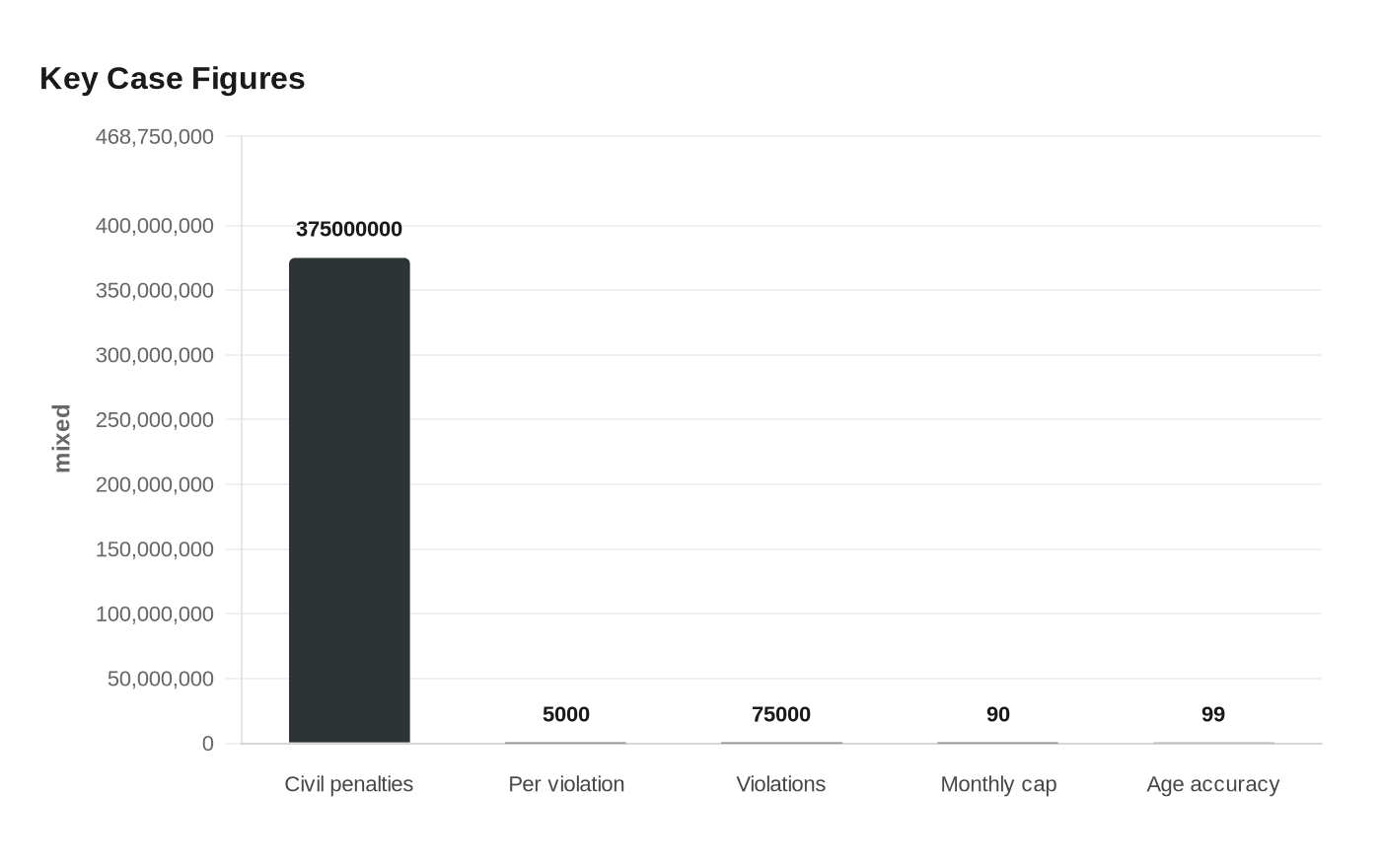
The remedies phase begins May 4, after a Santa Fe jury on March 24 found Meta liable under New Mexico’s Unfair Practices Act and ordered $375 million in civil penalties. State officials said the amount reflected the statutory maximum of $5,000 per violation across 75,000 violations, and called it the first trial victory by a state against a major tech company for harming young people.

Attorney General Raúl Torrez filed the case on December 6, 2023, naming Meta Platforms, Instagram, Meta Payments, Meta Platforms Technologies and Mark Zuckerberg. The complaint said undercover investigators used decoy child accounts and found that Meta’s platforms proactively served sexually explicit content, enabled adults to contact minors, recommended unmoderated sex-related groups and allowed child sexual abuse material to be found, shared and sold.
A federal judge rejected Meta’s Section 230 immunity defense in May 2024, allowing the case to move ahead through discovery, and Zuckerberg was later dismissed as a defendant. The underlying theory remains broad: New Mexico argues that Meta’s product design and algorithms helped spread harmful material and created a public nuisance, not just isolated moderation failures.
Now the court will decide whether damages are enough or whether Meta must accept structural changes. New Mexico is seeking mandatory age verification, private-by-default accounts for minors, bans on addictive features, a 90-hour monthly cap for minors, highly accurate detection of child sexual abuse material, a court-supervised child safety monitor and commitments to correct misleading statements. Meta has argued that those demands are “stunningly broad” and said a 99% age-verification accuracy requirement would be unworkable.
The stakes are not limited to New Mexico. Facebook, Instagram and WhatsApp are among the world’s largest communication networks, so any order that changes how content is surfaced, how users interact or how the services are monetized could ripple through advertisers, creators and rival platforms. Meta has also suggested it may withdraw Facebook, Instagram and WhatsApp from New Mexico rather than comply with the proposed remedies.
The case has become a test of how far states can go when Congress has not moved quickly on online harms, youth safety and platform accountability. If New Mexico wins broad injunctive relief, other attorneys general could follow the same playbook. If Meta prevails, the company and its peers may see a major brake on efforts to use consumer-protection law to force product changes across Big Tech.
This article was produced by Prism’s automated news system from verified source data, official records, and press releases, then run through automated quality and moderation checks before publishing. The system is built and supervised by the people who set the standards it runs under. Read our full AI policy.
Did this article answer your question?