New San Francisco legislation aims to accelerate downtown office-to-housing conversions
Mayor Daniel Lurie and the Board backed a Downtown Revitalization Financing District and capped fee waivers — Prop C covers up to 5 million sq ft, the Board waived fees on up to 7 million sq ft.
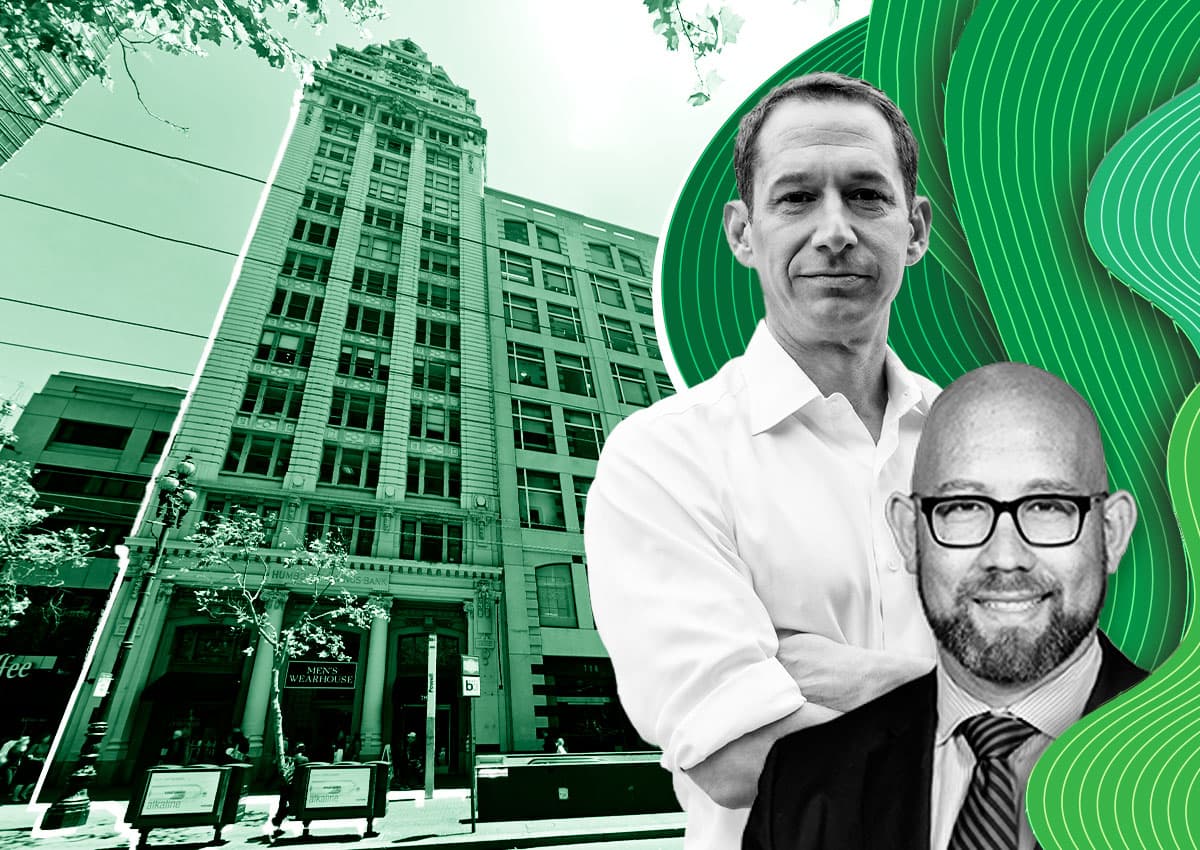
Mayor Daniel Lurie and the Board of Supervisors adopted a legislative package intended to speed conversions of downtown office buildings into housing, creating a Downtown Revitalization Financing District and temporary fee waivers aimed at turning vacant and underused commercial space into "thousands of new homes." The action follows a March 2024 voter-approved Proposition C that waives the real estate transfer tax on up to 5 million square feet of converted space and a March 2025 Board vote waiving inclusionary housing and impact fees on up to 7 million square feet.
The policy toolbox the city is using combines the Downtown Adaptive Reuse Program at SF Planning with a menu of incentives described by SPUR and city documents: temporary waivers of inclusionary housing requirements, reductions or waivers of impact and in-lieu fees, and transfer-tax relief tied to square-footage caps. Mayor Lurie posted on Instagram that the District "provides long-term financial incentives to turn vacant and underused buildings into thousands of new homes" and thanked Supervisors Rafael Mandelman, Danny Sauter, Bilal Mahmood, Matt Dorsey, and Stephen Sherrill for their roles.
City planners caution those incentives may not produce conversions at scale because the work is technically difficult and expensive. SF Planning officials note, "San Francisco, like many cities, is facing high office vacancy rates" but add that "conversions involve extraordinarily complex and expensive renovations that are layered on top of the same challenges facing all housing projects, like high construction costs and interest rates." Planners further warn that "most office buildings are not suitable for conversion due to their layout and lack of appropriately available residential necessities like windows and ventilation."
Developers and labor leaders have signaled support. Marc Babsin, president of the Emerald Fund, said, "With today’s vote to temporarily waive housing fees on conversion projects, San Francisco has taken a big step toward achieving financial feasibility of conversion projects. New downtown residents will support cafes, restaurants and retail shops and bring vitality back to our downtown streets." Jay Bradshaw, executive officer of the Nor Cal Carpenters Union, added, "The Nor Cal Carpenters Union strongly supports San Francisco’s legislative efforts to speed up the conversion of downtown office buildings into vibrant, new homes."

Public reaction on Mayor Lurie’s Instagram was mixed, with praise and pointed questions about affordability and public employees. Comments captured in the post include @ms.dce: "Can you for once actually help the people living in San Francisco and those who work for the people of San Francisco? LIKE TEACHERS!!!!!!!!!!!!!!!!!!!!!!!!!!!!" and @alissabeth_: "What are you doing to ensure this new housing is affordable and accessible to people other than billionaires?"
The legislation also responds to an urgent planning clock. SF Planning warned that without compliant rezoning the city risked losing State certification of its Housing Element and potentially sacrificing "hundreds of millions of dollars" in state grants used for affordable housing, streets, and MUNI, while exposing the city to lawsuits and the state-imposed "builder’s remedy." San Francisco must plan for roughly 36,000 housing units between 2023 and 2031, a target city officials say these conversions could help meet—if technical, financial and legal hurdles can be resolved.
Key implementation details remain to be published, including the ordinance texts for the Downtown Revitalization Financing District, the mechanics for counting the 5 million and 7 million square-foot caps, any sunset dates, and whether the city will attach affordability or labor requirements to incentive eligibility. City Hall, SF Planning, developers and community groups will need to clarify those items as projects move from concept to construction.
Know something we missed? Have a correction or additional information?
Submit a Tip