New study links T rex tiny arms to powerful jaws
A study of 82 theropods found tiny arms repeatedly evolved alongside massive skulls, suggesting T rex and its kin traded grasping claws for bone-crushing jaws.
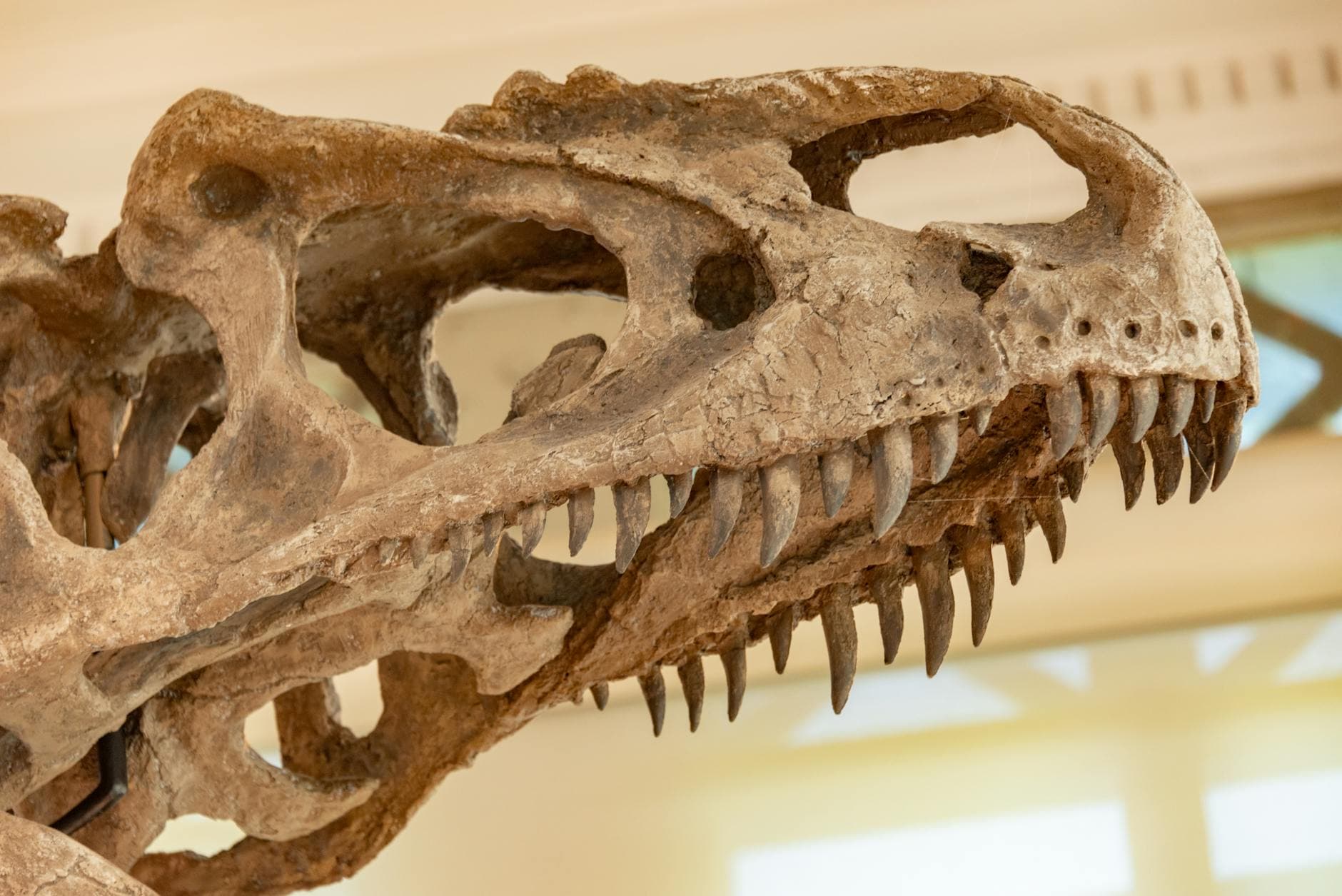
A new study of 82 theropod dinosaurs has strengthened a long-running idea about Tyrannosaurus rex: its famously short arms were not an evolutionary accident, but part of a broader shift toward bigger, stronger heads. Researchers from University College London and the University of Cambridge found that forelimbs shrank independently in at least five predatory lineages, and that the pattern lined up more closely with robust skulls and powerful bites than with overall body size.
The study, published in Proceedings of the Royal Society B, examined tyrannosaurids, abelisaurids, carcharodontosaurids, ceratosaurids and megalosaurids. In each group, the same broad trend appeared: as skulls became more reinforced and jaws more formidable, arms became less important. The team built a new way to measure skull robustness, combining how tightly the head bones were connected, the skull’s dimensions and bite force. That approach helped reveal a signal that had not been obvious before, including in ceratosaurids and megalosaurids, where the pattern had not previously been identified.
Lead author Charlie Roger Scherer, a PhD student at UCL Earth Sciences, said the results fit a “use it or lose it” model. As the head became the main attack tool, the arms became less useful and reduced in size over time. The researchers argued that the rise of large prey, especially giant sauropods and other huge herbivores, may have pushed these predators away from grabbing with claws and toward attacking and holding prey with their jaws. Scherer pointed to Carnotaurus, which had “ridiculously tiny arms,” even smaller than T rex’s, and noted that trying to pull in a 100-foot sauropod with claws would not have been ideal.
The evidence suggested that strong skulls probably evolved before the forelimbs became shorter, though the findings showed correlation rather than direct cause and effect. That distinction matters: paleontologists are still piecing together function from fossils that preserve bones, not behavior. The new study does not end the debate over tiny arms, but it makes the head-and-jaw explanation harder to dismiss.
T rex itself remains the iconic example. The animal lived more than 65 million years ago and disappeared in the asteroid-driven mass extinction. A large adult could reach about 45 feet from snout to tail, while its arms measured only about 3 feet. Scale that up to a 6-foot human, and the arms would shrink to roughly 10 to 12 inches. As University of Bristol paleontologist Andre Rowe put it, “This paper tackles one of the big evolutionary questions in theropod dinosaurs.”
Know something we missed? Have a correction or additional information?
Submit a Tip