New York City Ballet dancer finds confidence, timing restored with hearing aids
She kept missing cues and late entrances until an unheard problem led Sara Mearns to hearing aids, restoring timing and confidence onstage.
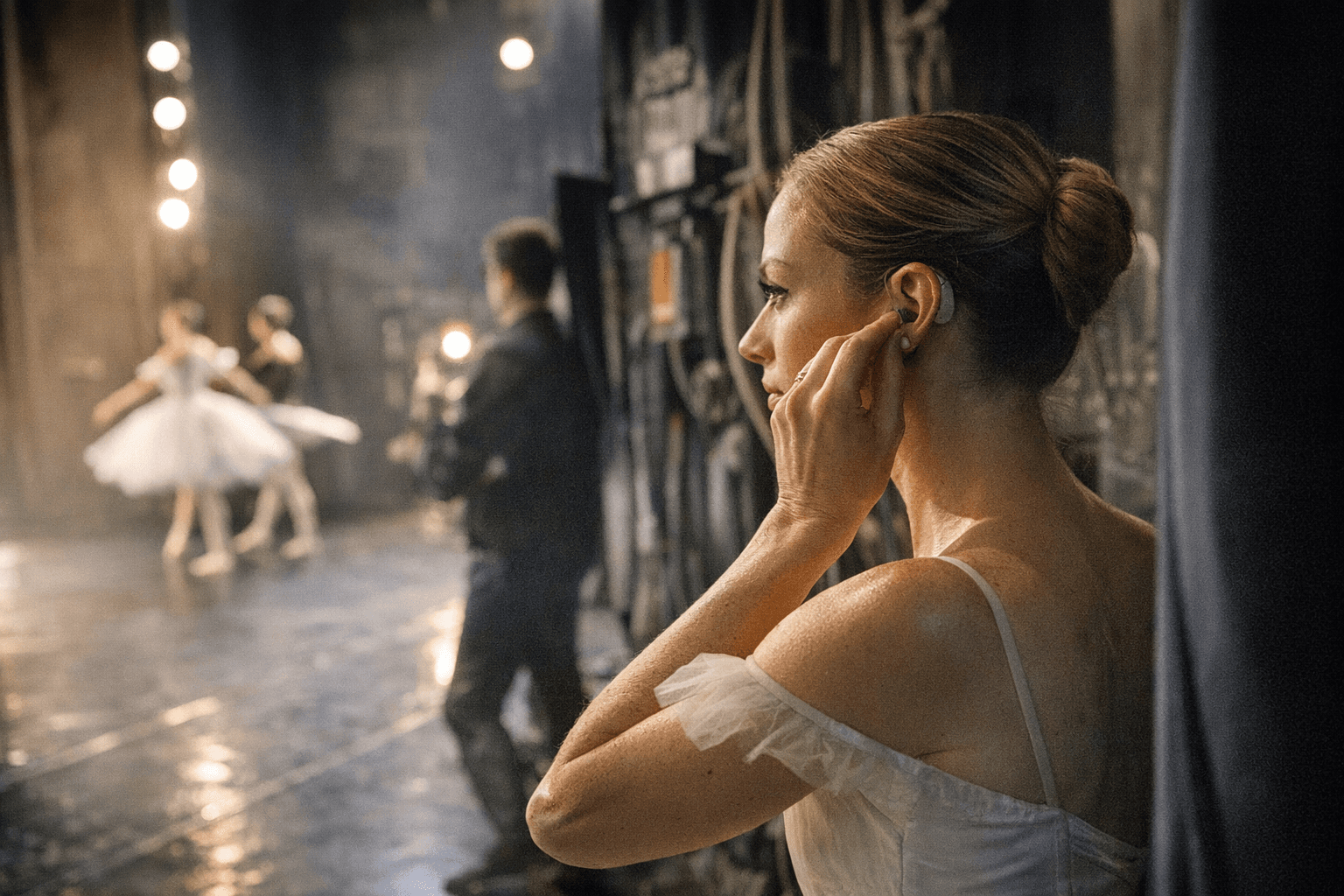
Sara Mearns was missing cues, struggling to hear her dance partner and showing up late to entrances because the music sounded too soft. For a principal dancer at New York City Ballet, where split-second timing can shape both artistry and safety, the strain was not just inconvenient. It was undermining the work.
Mearns, 40, made a hearing-check appointment without telling anyone and learned she needed hearing aids. She became one of the first dancers with New York City Ballet to wear them during performances, turning a private medical concern into a highly visible part of her career. Mearns said the change gave her back control, describing it as “a whole new chapter” in her life.
Her experience reflects a problem far beyond one stage or one company. The National Institute on Deafness and Other Communication Disorders says about 28.8 million U.S. adults could benefit from hearing aids, yet only about 16% of adults ages 20 to 69 who could benefit from them have ever used them. That gap shows how often hearing loss goes untreated even when it starts interfering with daily life, work and relationships.
The hesitation is familiar: stigma, cost and the mistaken belief that people can manage by turning up the volume or compensating through guesswork. But hearing loss is not limited to older adults. The National Institute on Deafness and Other Communication Disorders says harmful noise exposure can happen at any age, including among children, teens, young adults and older people. The Centers for Disease Control and Prevention says noise-induced hearing loss can result from one-time very loud sounds or repeated exposure to loud sounds and may be permanent.
Mearns’ case makes that public-health message concrete. A performer whose job depends on hearing music, a partner and the rhythm of the stage found that untreated hearing loss was quietly eroding confidence as well as timing. Her decision to get tested, then to perform with hearing aids, offers a rare high-profile example of what treatment can restore: not just sound, but precision, stability and a measure of ease at work.
For adults who have started missing words, straining in conversation or sensing that sound is softer than it should be, Mearns’ story points to a practical next step. Hearing loss can be easy to minimize, but in her case, and in the lives of millions of Americans, paying attention early can change how a person works, connects and moves through the world.
This article was produced by Prism’s automated news system from verified source data, official records, and press releases, then run through automated quality and moderation checks before publishing. The system is built and supervised by the people who set the standards it runs under. Read our full AI policy.
Did this article answer your question?


