Trump administration admits data error in New York Medicaid fraud probe
A federal Medicaid fraud probe in New York leaned on a bad figure: 5 million personal-care users, not about 450,000. The correction undercuts a high-stakes fraud claim.
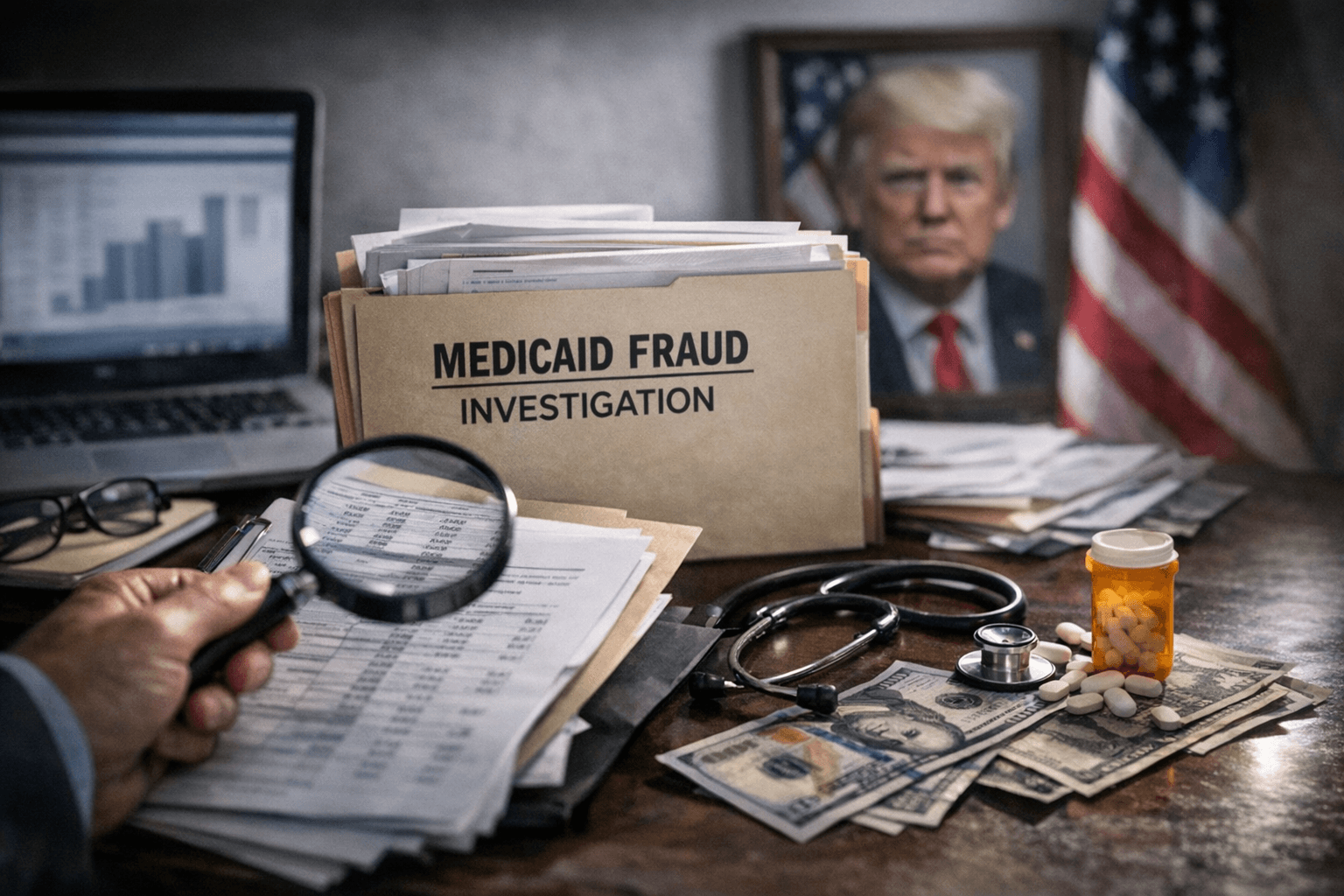
A federal Medicaid fraud probe in New York leaned on a bad figure: the Trump administration said about 5 million people used personal care services last year, then corrected the number to about 450,000. That gap, which CMS now says came from a billing-code mistake and a refined methodology, undercut the administration’s public case that New York’s Medicaid program was awash in abuse.
The error matters because New York’s Medicaid enrollment reached 6,658,906 in February 2026, according to the state Department of Health. The corrected 450,000 figure amounts to roughly 6% to 7% of enrollees, a far cry from the implication that nearly the entire program had tapped personal care services. CMS has said the probe remains open despite the correction.
The misfire landed inside a broader confrontation over New York’s huge health program. In its March 3 letter to Gov. Kathy Hochul, the Centers for Medicare & Medicaid Services said the state’s Medicaid spending topped $90 billion a year, with average spending of $12,528 per beneficiary, 36% above the national average. The agency also said New York’s spending per resident was nearly 80% higher than the national average and raised concerns about personal care, home health, adult day care, non-emergency medical transportation and behavioral health services.
For New York officials, the mistake is more than an embarrassment. It gives Albany fresh ammunition to argue that federal regulators moved too fast and too publicly before checking the state’s own billing rules. The New York State Office of the Medicaid Inspector General says it is responsible for preventing, detecting, investigating and recovering improperly expended Medicaid funds, working with the state health department, the HHS Office of Inspector General and the New York State Attorney General’s Medicaid Fraud Control Unit.
The episode also carries wider stakes for Medicaid enforcement and public confidence. Michael Kinnucan, a senior health policy adviser at the Fiscal Policy Institute, said, “These numbers could have been cleared up in a phone call, so it’s really slapdash.” His criticism captures the risk for Washington: when federal accusations rest on weak data, they can blur the line between legitimate oversight and overreach, strain state-federal trust and weaken the credibility of future anti-fraud efforts.
New York’s large home health and personal care workforce makes the dispute even more consequential. A fight over service counts is also a fight over labor, budgets and how the public judges one of the country’s largest Medicaid programs. When top officials turn a data problem into a fraud case, the political damage can outlast the correction.
This article was produced by Prism’s automated news system from verified source data, official records, and press releases, then run through automated quality and moderation checks before publishing. The system is built and supervised by the people who set the standards it runs under. Read our full AI policy.
Did this article answer your question?