New York Plans to Demolish Four Chelsea Developments, Adding Mixed-Income Housing
Repairs to four crumbling Chelsea public housing complexes would cost $927 million, nearly as much as demolition; now 2,056 residents and the courts are fighting the city's rebuild plan.
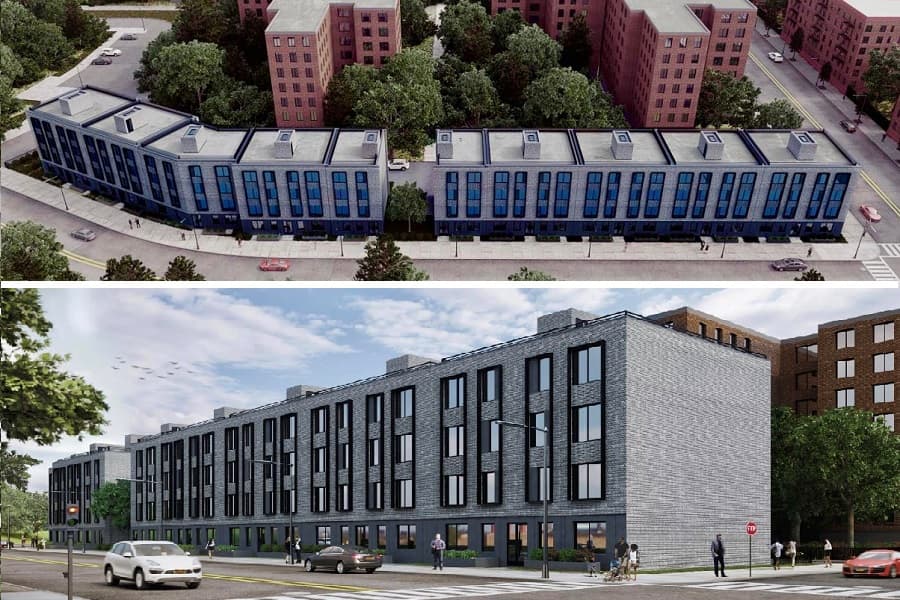
The New York City Housing Authority is betting that its four deteriorating Chelsea public housing complexes are past the point of saving. Whether that wager scatters a community of 2,056 people is now a matter the courts are deciding.
NYCHA and its private partners, Related Companies and Essence Development, have proposed demolishing all 18 residential buildings at the Fulton, Elliott, Chelsea, and Chelsea Addition Houses, then replacing them with six new towers and nine additional buildings, yielding roughly 3,500 apartments on the same Manhattan footprint. The project, which has swelled in cost to approximately $1.9 billion, rests on a discomfiting arithmetic: NYCHA estimated in 2023 that the four developments together required more than $927 million in repairs, a figure approaching the price of full reconstruction. Opponents have questioned the data, but the authority has held firm, arguing rehabilitation and demolition cost roughly the same.
The conditions inside the complexes support much of NYCHA's case. Residents describe pervasive mold, chronic elevator failures, heating outages, and rat infestations severe enough that the development team felt compelled to clear more than 200 burrows before substantive work could begin. One Fulton Houses resident testified at a public hearing that mice had overrun her apartment since 2021 and that her son's bedroom went without electricity for over a year. Irene O'Connell, a longtime Fulton Houses tenant who supports reconstruction, put it plainly: "We're in a place where our buildings are crumbling. We're actually a spectacle to the tourists that come by." The deterioration at Fulton and Elliott-Chelsea is not an anomaly; NYCHA's systemwide repair backlog across all its developments totals roughly $40 billion.
Under the redevelopment plan, NYCHA promises every current tenant a new apartment, with rent capped at 30 percent of household income. Six replacement towers would absorb the existing 2,056 public housing units, while nine additional buildings would provide roughly 900 affordable apartments and approximately 2,500 market-rate units. Mayor Eric Adams called the approach "revolutionary." Residents voted in favor of it in a June 2023 survey.
But significant opposition has taken root. Former state Sen. Thomas Duane joined tenants in filing Duane v. NYCHA, arguing the project violated federal housing law and bypassed the Uniform Land Use Review Procedures that would normally require sign-off from the community board, the Manhattan borough president, and the City Council. A parallel lawsuit, Weaver v. NYCHA, drew national attention late last year after a judge nearly dismissed it upon discovering that its pro se plaintiffs had submitted AI-generated briefs citing court decisions that do not exist.
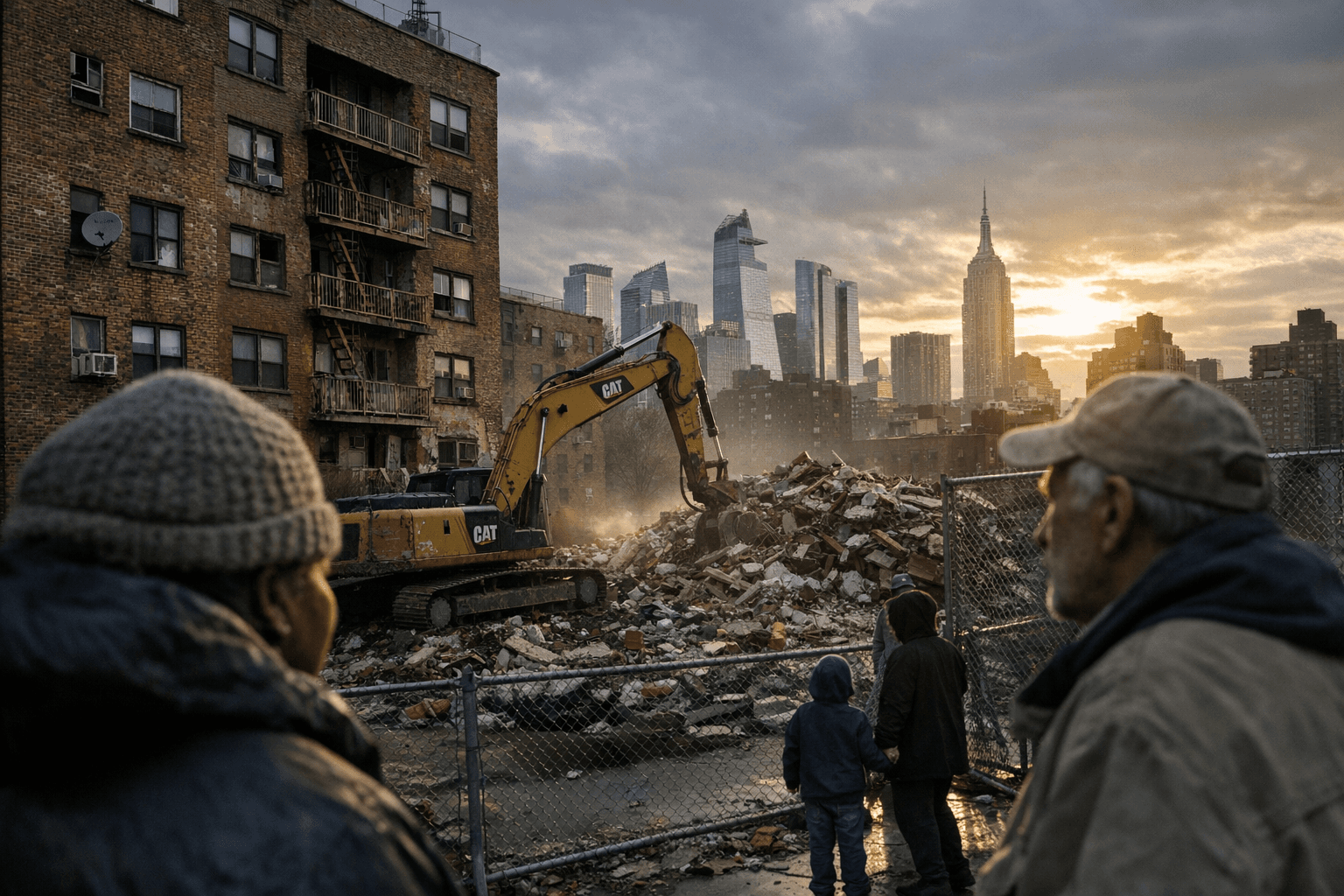
The legal challenges have cost the project months. A Manhattan appeals court issued a temporary stay in February after a lower court declined to block demolition. On March 26, a five-judge appellate panel substantially extended the restraining order; a full hearing is set for May 19, with a final ruling likely to land deep into summer. Demolition had been scheduled to begin in December 2025.
Jamar Adams, founder and managing principal of Essence Development, projected confidence despite the delays. "We fully expect to clear these last hurdles and are committed to delivering on the promise of this project and all that it will deliver for New York City," he said.
The skepticism runs deep among many current residents. Manhattan Community Board 4 has opposed the current plan and called for a new resident vote monitored by a neutral party. The architecture firm PAU withdrew from the project in 2025, citing what it described as a failure of proper resident engagement. Chelsea Addition resident Yu Zhen Story spoke publicly about being pressured to vacate her home ahead of demolition.
NYCHA has said it intends to use the Chelsea redevelopment as a blueprint for future rebuilds across its portfolio, a signal that the outcome of this court fight carries consequences well beyond one neighborhood.
This article was produced by Prism’s automated news system from verified source data, official records, and press releases, then run through automated quality and moderation checks before publishing. The system is built and supervised by the people who set the standards it runs under. Read our full AI policy.
Did this article answer your question?