New York rail strike drags into second day as Monday chaos looms
Hundreds of thousands of riders faced a second day without the Long Island Rail Road as a Monday rush hour shutdown threatened Long Island and New York City.
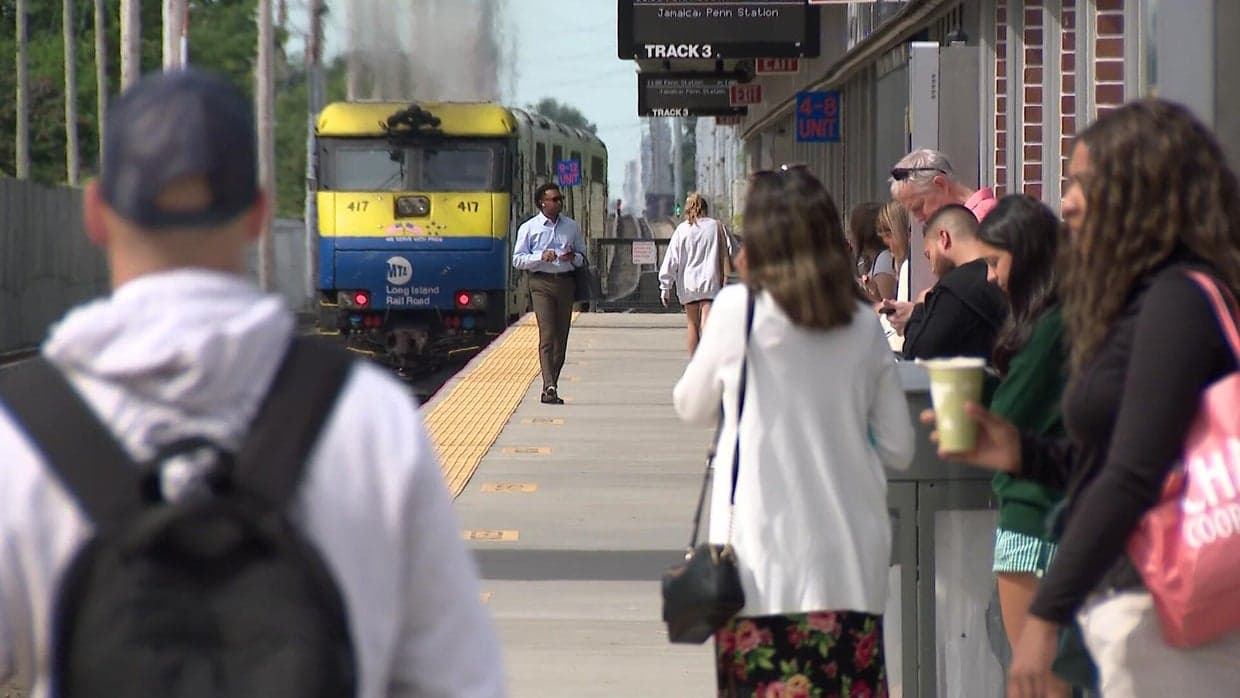
The Long Island Rail Road shutdown rolled into its second day with 3,500 railroad workers off the job and about 300,000 commuters facing a crippled connection between Long Island and New York City. The Metropolitan Transportation Authority warned that there was no substitute for the railroad, and state officials urged riders to work from home if they could as Monday’s rush hour approached.
The strike began at 12:01 a.m. Saturday after contract talks collapsed. The dispute centers on a new four-year agreement: the MTA and the unions had reportedly settled the first three years, but remained split over the final year, including the unions’ push for a 5% pay increase. By Sunday, Gov. Kathy Hochul was publicly pressing both sides to return to the table and resume bargaining before the shutdown spread further through southeastern New York.
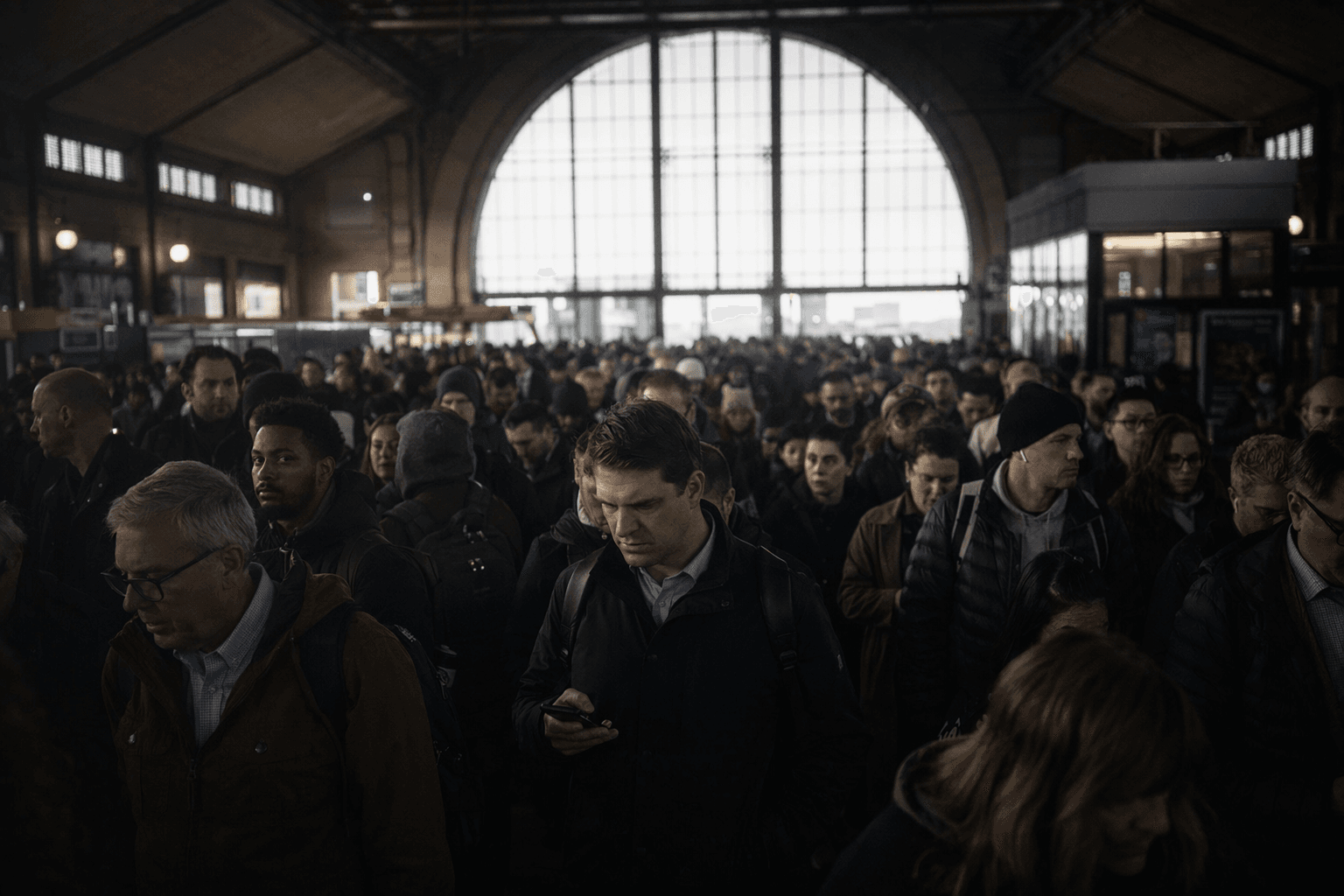
The timing sharpened the pressure on commuters, employers and schools across the region. The LIRR is North America’s largest commuter rail system, and its shutdown immediately severed a daily travel link used by tens of thousands of workers heading into Manhattan and other parts of New York City. With no rail service running, the burden shifted to road traffic, other transit lines and any temporary arrangements the MTA could assemble, a reminder of how quickly a labor dispute on one railroad can ripple through the wider metro economy.
Hochul said on Sunday that the strike was the first in three decades and warned that hundreds of thousands of commuters stood to lose if the stoppage dragged on. The MTA has said there is “no substitute” for the Long Island Rail Road, a message that underscored the limits of backup plans in a region where many riders have few practical alternatives.
The confrontation also carried historical weight. The last LIRR strike, in 1994, lasted two days; an earlier walkout in 1987 stretched for 11 days. The 1994 stoppage came after two and a half years without a contract, a reminder that these disputes can fester long before trains stop running. For Long Island, the immediate question was whether Monday’s commute would become a regional bottleneck, and whether a short labor dispute would expose deeper fragility in one of the nation’s most important transit corridors.
This article was produced by Prism’s automated news system from verified source data, official records, and press releases, then run through automated quality and moderation checks before publishing. The system is built and supervised by the people who set the standards it runs under. Read our full AI policy.
Did this article answer your question?