Trump allies draw thousands to prayer rally on National Mall
Freedom 250 turned the National Mall into a Trump-aligned prayer stage, with a mostly Christian roster and a semiquincentennial message aimed at the nation’s next 250 years.

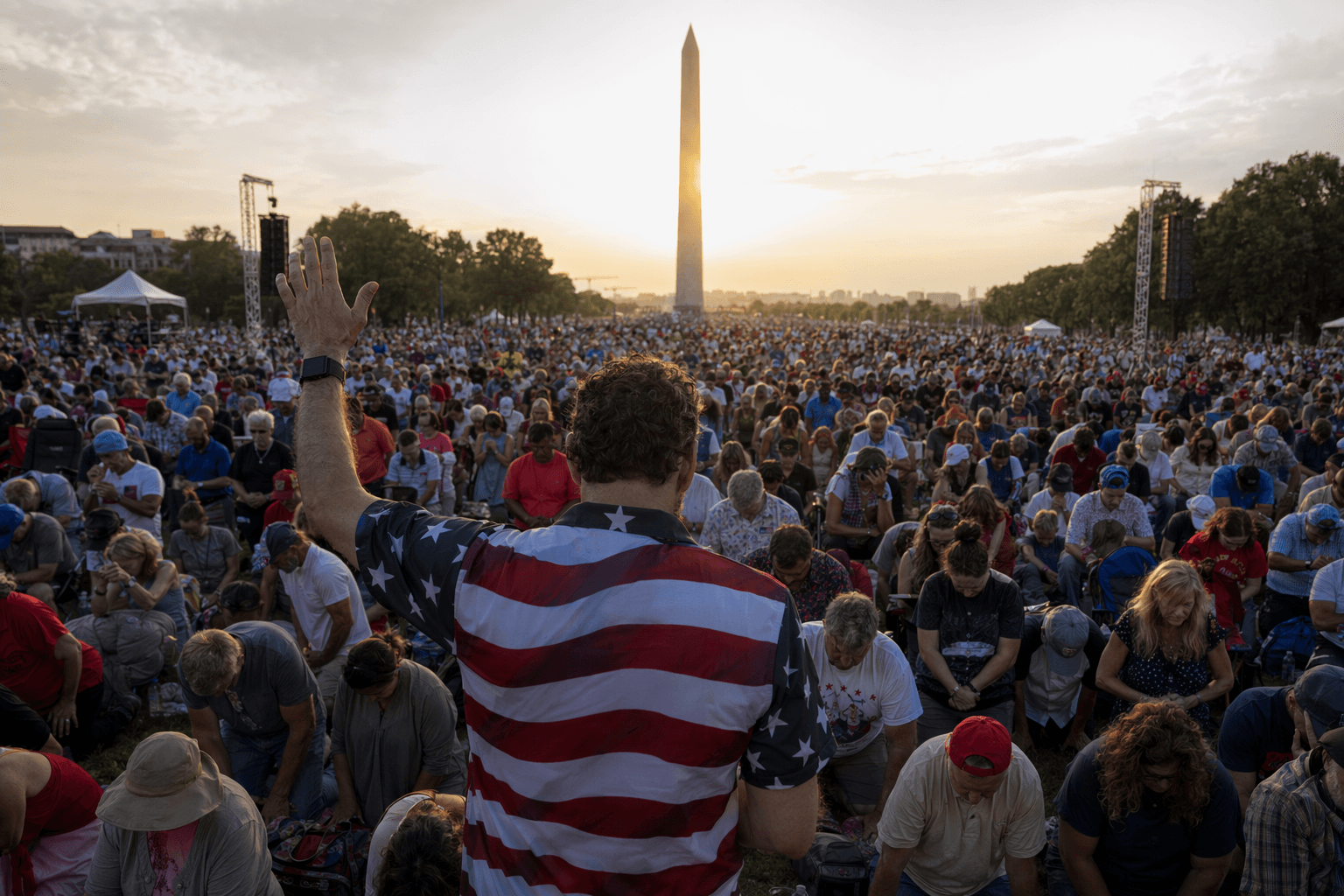
Thousands gathered on the National Mall on Sunday for Rededicate 250, a daylong prayer rally staged by Freedom 250 and pitched as a chance to “solemnly rededicate our country as One Nation Under God.” Organizers said the event was free and open to all Americans, but its speakers, faith leaders and political framing made clear that this was also a highly organized demonstration of pro-Trump religious activism in Washington.
Freedom 250 listed the rally from 8:00 a.m. to 7:00 p.m. ET and described it as a mix of Scripture, testimony, prayer, worship music and a collective blessing for the nation’s next 250 years. The event was tied to the United States’ 250th anniversary in 2026, turning a patriotic milestone into a religious call to recommit the country to a specifically Christian vision of public life. Trump set the stage for it in February, when he told attendees at the National Prayer Breakfast that Americans would be invited to the National Mall on May 17 to pray, give thanks and rededicate America as one nation under God.
The lineup underscored that blend of politics and faith. Freedom 250’s roster included House Speaker Mike Johnson, Secretary of State Marco Rubio, Secretary of War Pete Hegseth, Monica Crowley, Ben Carson and Medal of Honor recipient Patrick Brady, alongside religious figures including Franklin Graham and Paula White-Cain. USA Today reported that 14 of the 15 faith leaders participating were Christian, reinforcing criticism that the rally’s language of inclusion masked a narrow religious message.
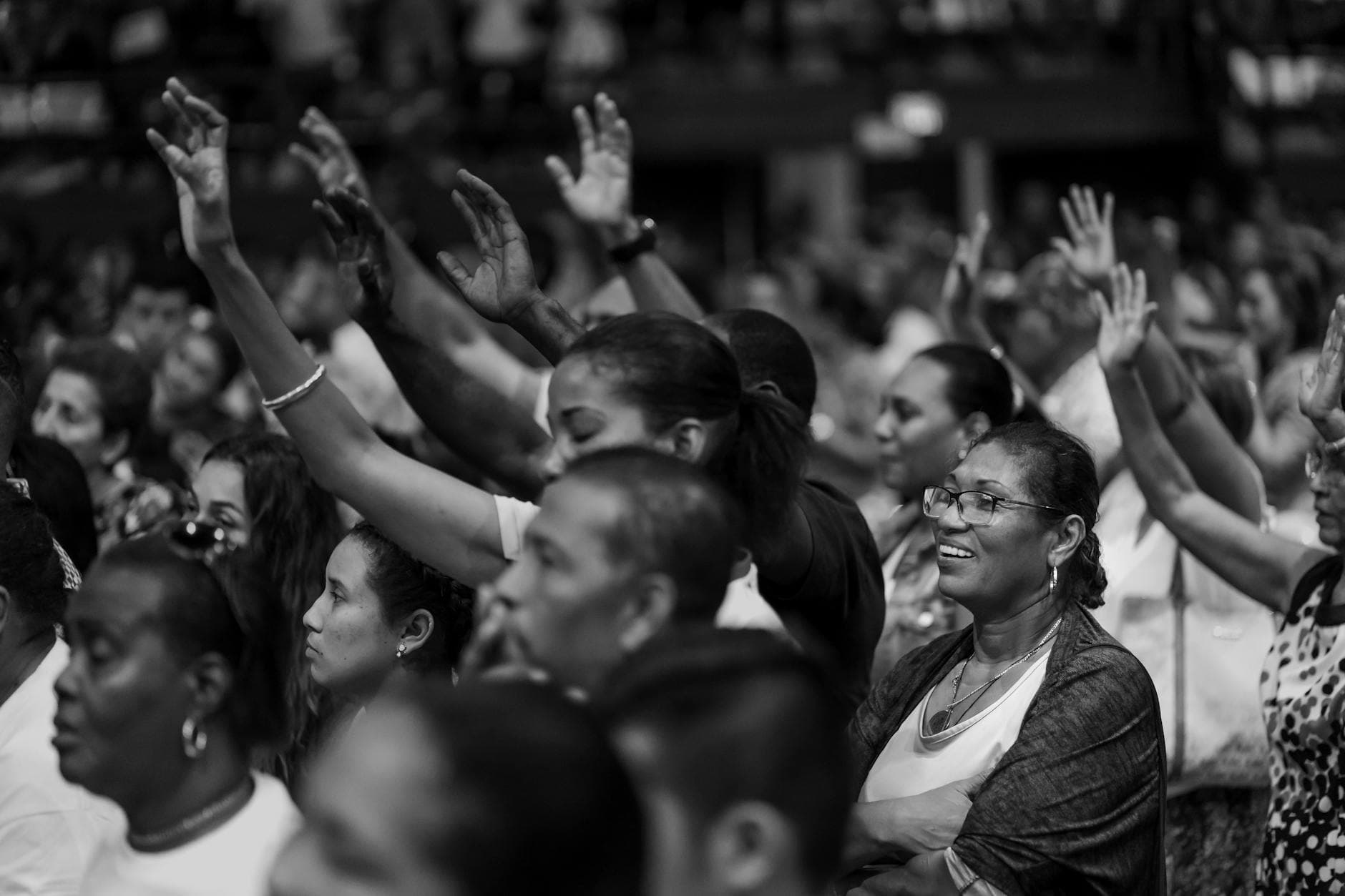
Supporters cast the gathering as an affirmation of faith, gratitude and patriotism ahead of the semiquincentennial. Church-state separation groups, including Americans United for Separation of Church and State and the Freedom From Religion Foundation, argued that the rally advanced Christian nationalism rather than religious freedom. That concern went beyond theology: in a city where policy and power are inseparable, the event showed how religious symbolism can be deployed to build political identity, unify conservative constituencies and define who is invited into the national story.
Know something we missed? Have a correction or additional information?
Submit a Tip