Rising gas prices push more Americans toward public transit
Gas at $4.16 a gallon is pulling more commuters onto buses and trains, but whether they stay there may depend on how long prices stay high.
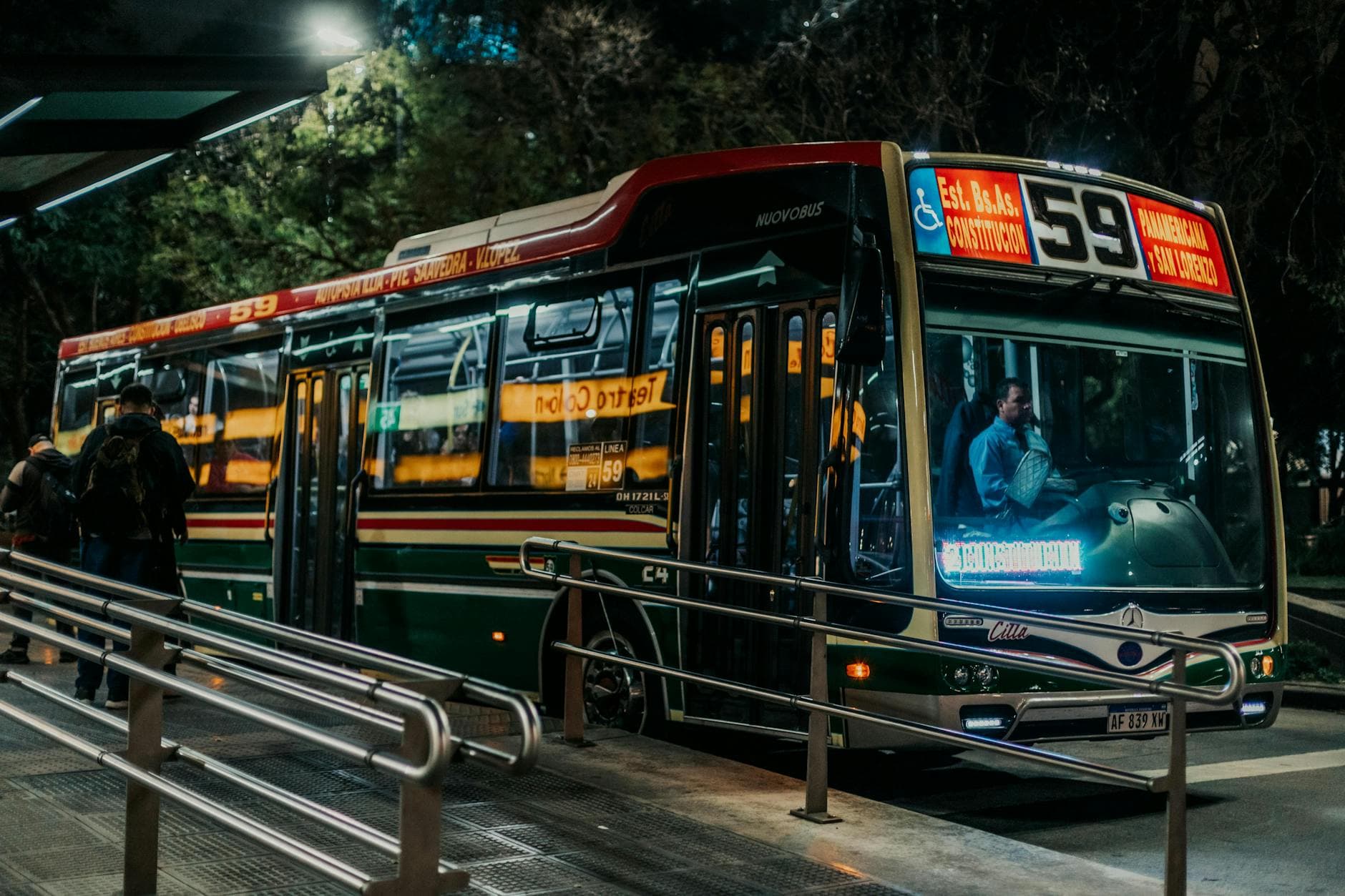
Higher gasoline prices are forcing a new affordability test on American commuters. As pump prices climbed in March and April, public transit riders began returning in greater numbers, with the American Public Transportation Association estimating a 12 percent jump in ridership from February to March 2026 as gas prices averaged about $4.10 a gallon by late March.
The pressure came through clearly in federal fuel data. The Bureau of Transportation Statistics said regular gasoline averaged $3.64 a gallon in March 2026, up 25.1 percent from February and 17.5 percent from March 2025. By April 9, AAA said the national average had reached $4.16 a gallon, the highest level since early August 2022. For households already balancing rent, groceries, and child care, that kind of increase can turn a car commute into a budget decision rather than a habit.

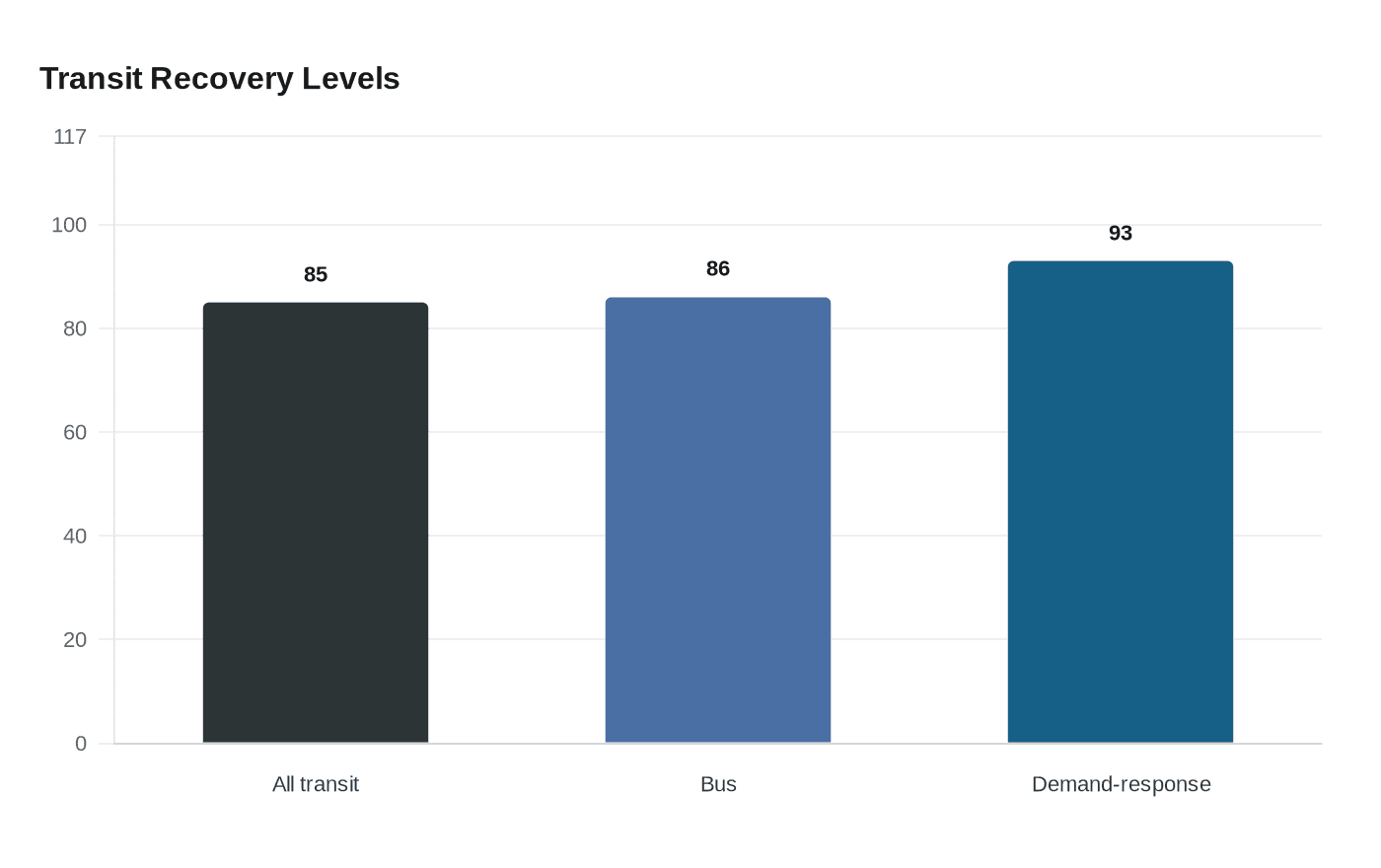
Transit agencies are still climbing back from the pandemic, and the latest numbers suggest fuel costs may be helping that recovery. APTA said public transportation ridership reached about 85 percent of pre-pandemic levels in April 2025. Bus ridership was at about 86 percent of 2019 levels, while demand-response service, which often serves riders who cannot easily use fixed-route transit, was closer to 93 percent.
The pattern is not new. Before the pandemic, research found that gas prices were tightly linked to transit use, with one study estimating that fuel prices explained about three-quarters of ridership variability. That history helps explain why transit officials and advocates are watching the current spike so closely. When gas prices jump, riders with a workable bus or rail option may switch quickly. In places where service is sparse, or where a car is still the only realistic way to get to work, the same price shock can mean only higher household stress.
The bigger question is whether this is a temporary shift or the start of something more durable. Analysts have warned that short-term fuel spikes do not always produce lasting ridership gains unless high prices persist. That leaves transit agencies in a familiar bind: they must meet rising demand while still recovering from pandemic-era losses and facing budget pressure in a travel market that remains unsettled.
This article was produced by Prism’s automated news system from verified source data, official records, and press releases, then run through automated quality and moderation checks before publishing. The system is built and supervised by the people who set the standards it runs under. Read our full AI policy.
Did this article answer your question?

