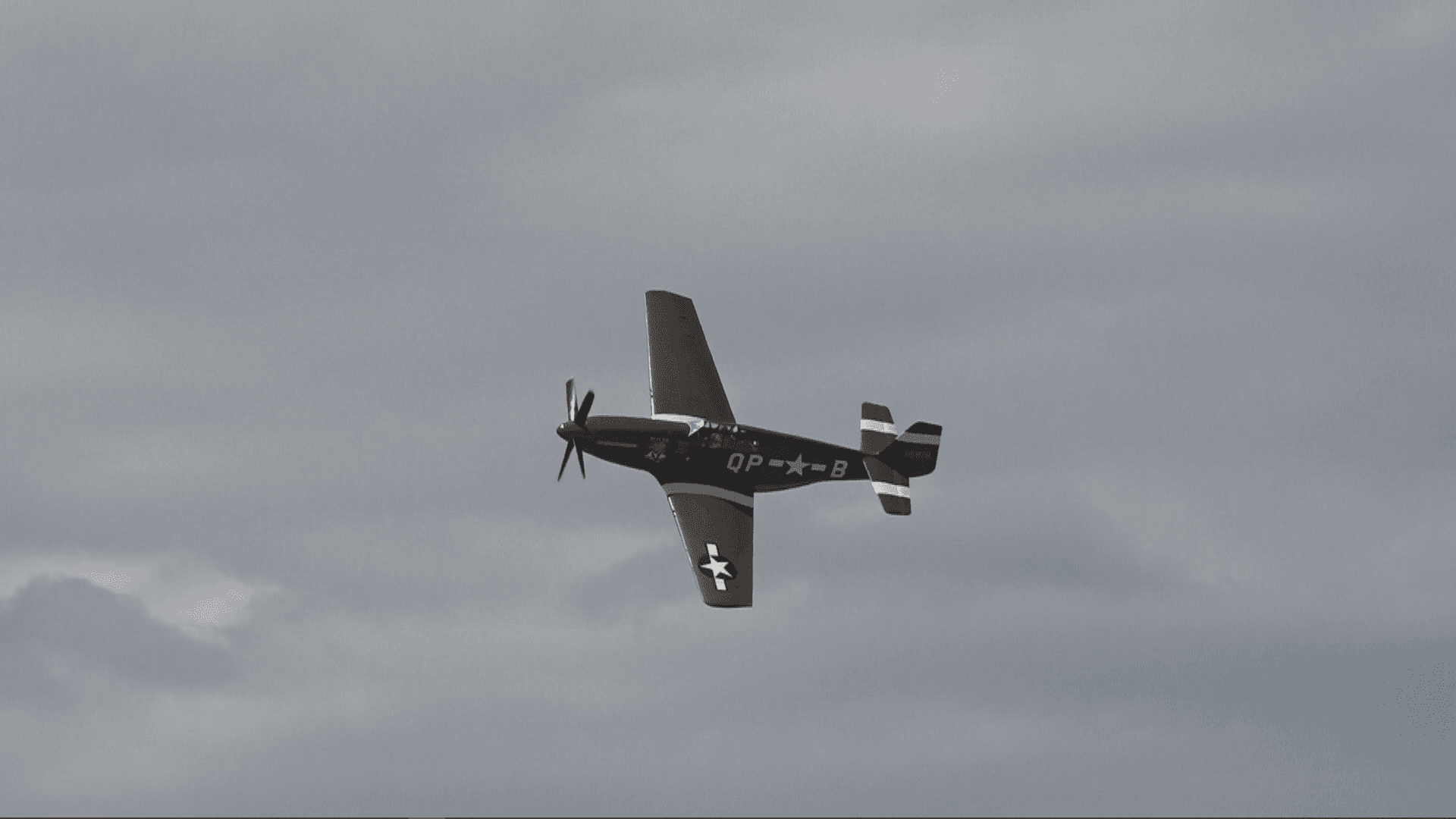
Two Navy jets collide at Idaho air show, four crew eject safely
Four Navy aviators ejected safely after two EA-18G Growlers collided over an Idaho air show, triggering a lockdown and a Navy investigation.
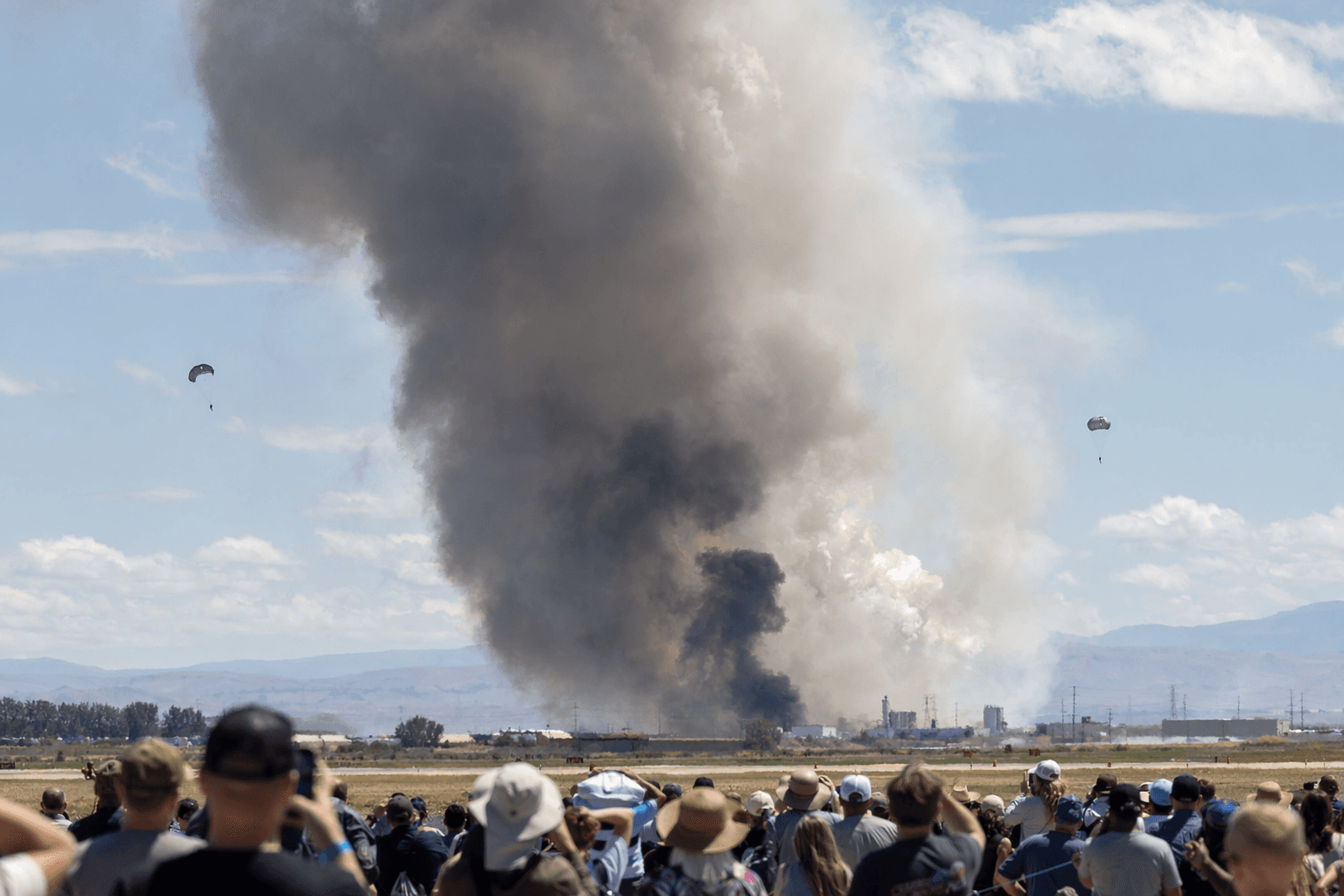
Four Navy aviators survived after two EA-18G Growlers collided during an aerial demonstration at Mountain Home Air Force Base, a rare midair mishap that immediately shifted attention from the spectacle of the show to the effectiveness of the emergency response. The base said all four crew members ejected safely, were evaluated by medical personnel and were in stable condition. No one on the base was hurt, and the air show was cut short for the rest of Sunday.
The collision happened about 12:10 p.m. MDT on Sunday, May 17, 2026, during the second day of the Gunfighter Skies Air Show, about 2 miles northwest of the base and roughly 50 to 55 miles southeast of Boise. The base locked down the crash area soon after the incident. Videos posted by spectators showed the aircraft appear to make contact, spin together and fall before a fireball on impact, with four parachutes opening in the sky moments later.
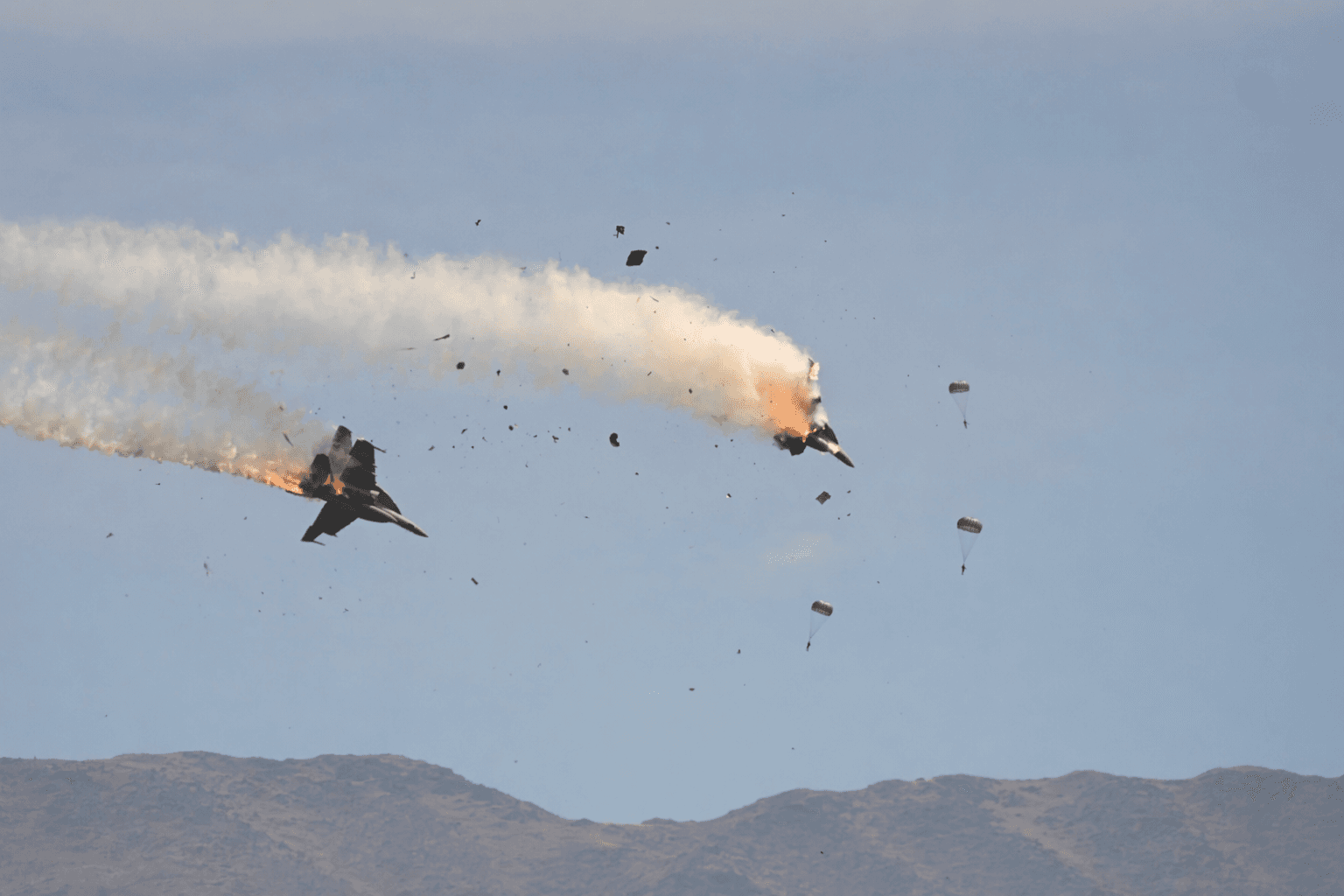
The aircraft were identified as U.S. Navy EA-18G Growlers from Electronic Attack Squadron 129, or VAQ-129, based at Naval Air Station Whidbey Island, Washington. The EA-18G is a variant of the F/A-18 Super Hornet outfitted with electronic warfare systems, making it a specialized military aircraft built for jamming and suppressing enemy air defenses. The Navy said the crash remains under investigation.
The mishap landed at a show that had been billed as a free two-day public event for May 16-17, 2026, with the U.S. Air Force Thunderbirds scheduled to headline. Organizers described the event as a celebration of aviation history and modern military capability, but Sunday’s accident underscored how quickly a demonstration can turn into a test of safety systems, crew training and command decisions.
Aviation safety expert Jeff Guzzetti said it was remarkable that both crews were able to eject, and suggested the way the planes remained stuck together in midair may have helped make the dual ejections possible. Weather at the time offered good visibility, with winds gusting up to 29 mph, or 47 kph. Even with those conditions, the focus now is on how the maneuver was flown, how the crews escaped, and whether the accident will force the military to rethink air-show demonstration rules and pilot-risk assessments.
Know something we missed? Have a correction or additional information?
Submit a Tip