Newsom diaper contract bypassed bidding as California hides records
Newsom said a $6.2 million diaper deal was bid competitively. State records called it non-competitively bid, while California hid more than $1 billion in similar carve-outs.
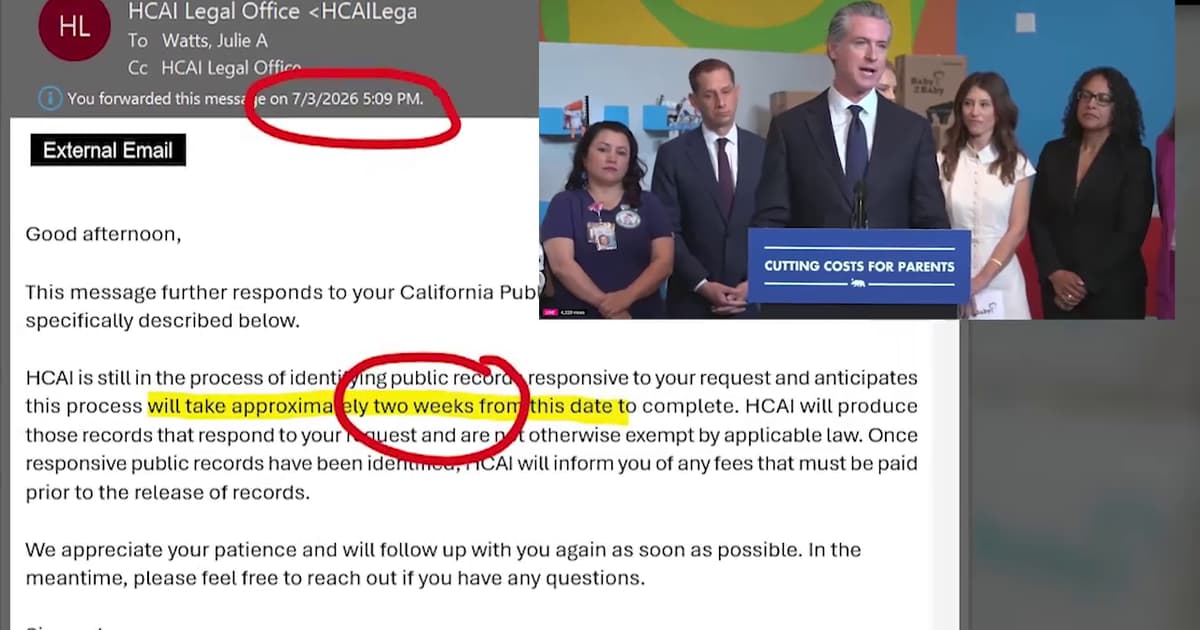
Gov. Gavin Newsom said the $6.2 million Baby2Baby diaper contract went through a competitive bidding process, but state records list it as NON-COMPETITIVELY BID. The mismatch sits at the center of California’s new free-diaper program, which launched May 8, 2026, with a promise to provide 400 free diapers to every newborn and ease costs for families while supporting infant and maternal health.
The diaper deal is not just a one-off procurement dispute. The same exemption language appears more than a dozen times in California’s 893-page budget, creating carve-outs that cover more than $1 billion in programs across seven state departments. Those exceptions include opioid-crisis funds, suicide-prevention lifeline grants and a prison reentry program. Most never expire, and because they bypass state oversight entirely, they will not appear in California’s public database of no-bid contracts.

That opacity has become part of the controversy. The Newsom administration has delayed releasing the Baby2Baby contract and the related competitive-bid records, even as the public-records request has grown more than 60 days old. Lawmakers are also weighing changes that could give agencies even more time to respond to public-records requests, extending the lag between a governor’s announcement and the documents that should explain how the deal was made.
Baby2Baby, the nonprofit chosen for the contract, has argued that diaper need is widespread. The group says 1 in 2 families in the United States struggle to afford diapers, and it estimates diapers cost $80 to $100 a month per baby, or nearly $1,000 a year for a low-income family. Earlier criticism of the diaper program overstated the price tag, and Baby2Baby’s chief executives were not getting rich from the deal, but the latest dispute is about something else entirely: who gets to avoid the normal rules, and how often California lets them do it.
The answer appears to be often. The exemptions are legal because lawmakers approved them, but the scale of the carve-outs raises a harder question for taxpayers: whether California is steadily normalizing emergency-style exceptions inside routine budgeting, and whether public transparency is shrinking just as the state promises more accountability.
This article was produced by Prism’s automated news system from verified source data, official records, and press releases, then run through automated quality and moderation checks before publishing. The system is built and supervised by the people who set the standards it runs under. Read our full AI policy.
Did this article answer your question?