Nigeria’s economy slows to 3.89% growth in first quarter of 2026
Growth slowed to 3.89% in Q1 2026, but Nigeria’s non-oil economy still drove more than 96% of output as crude production slipped again.
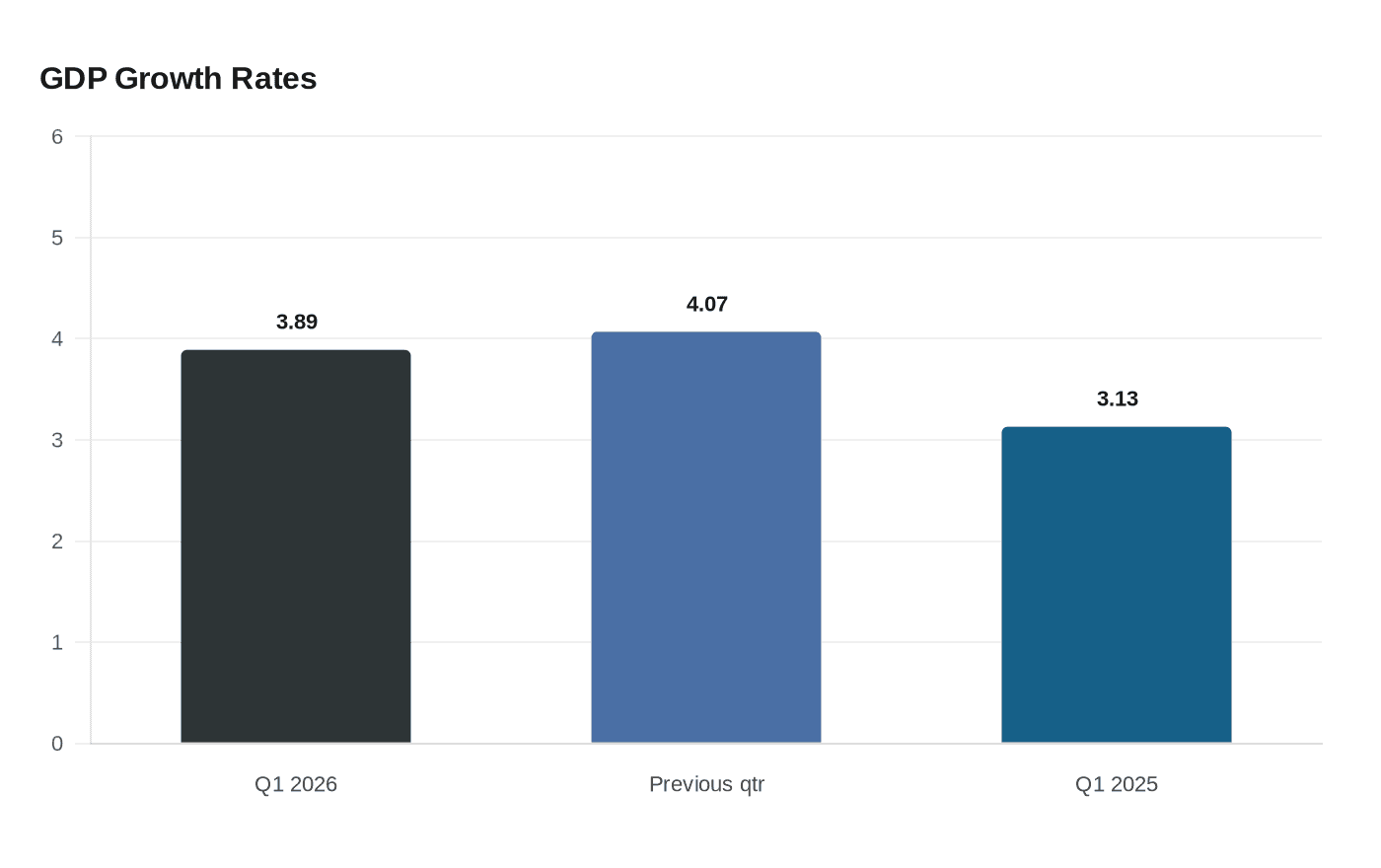
Nigeria’s economy kept expanding, but not fast enough to disguise the strain underneath. Gross domestic product grew 3.89% year on year in the first quarter of 2026, easing from 4.07% in the previous quarter and underscoring how uneven the recovery remains after a year of reforms under President Bola Tinubu.
The National Bureau of Statistics said the quarterly gain was still stronger than the 3.13% recorded in the first quarter of 2025, a reminder that the economy has improved from last year’s pace. Multiple reports based on the bureau’s figures said nominal GDP rose to N110.78 trillion in the quarter, up from N94 trillion a year earlier, while real GDP stood at N51.26 trillion. The bureau completed a GDP rebasing in 2025, helping reset the size and structure of the economy as officials measure the effects of policy changes and inflation.
The details point to an economy still leaning heavily on activity outside oil. The non-oil sector accounted for more than 96% of GDP in the quarter, supported by agriculture, telecommunications, financial services, construction and trade. That breadth matters because it suggests households and businesses are doing much of the work of growth, even as the benefits remain hard to feel in daily life. Stronger output on paper has not yet translated into the kind of broad-based lift in jobs, incomes and consumer demand that would make the expansion feel durable.
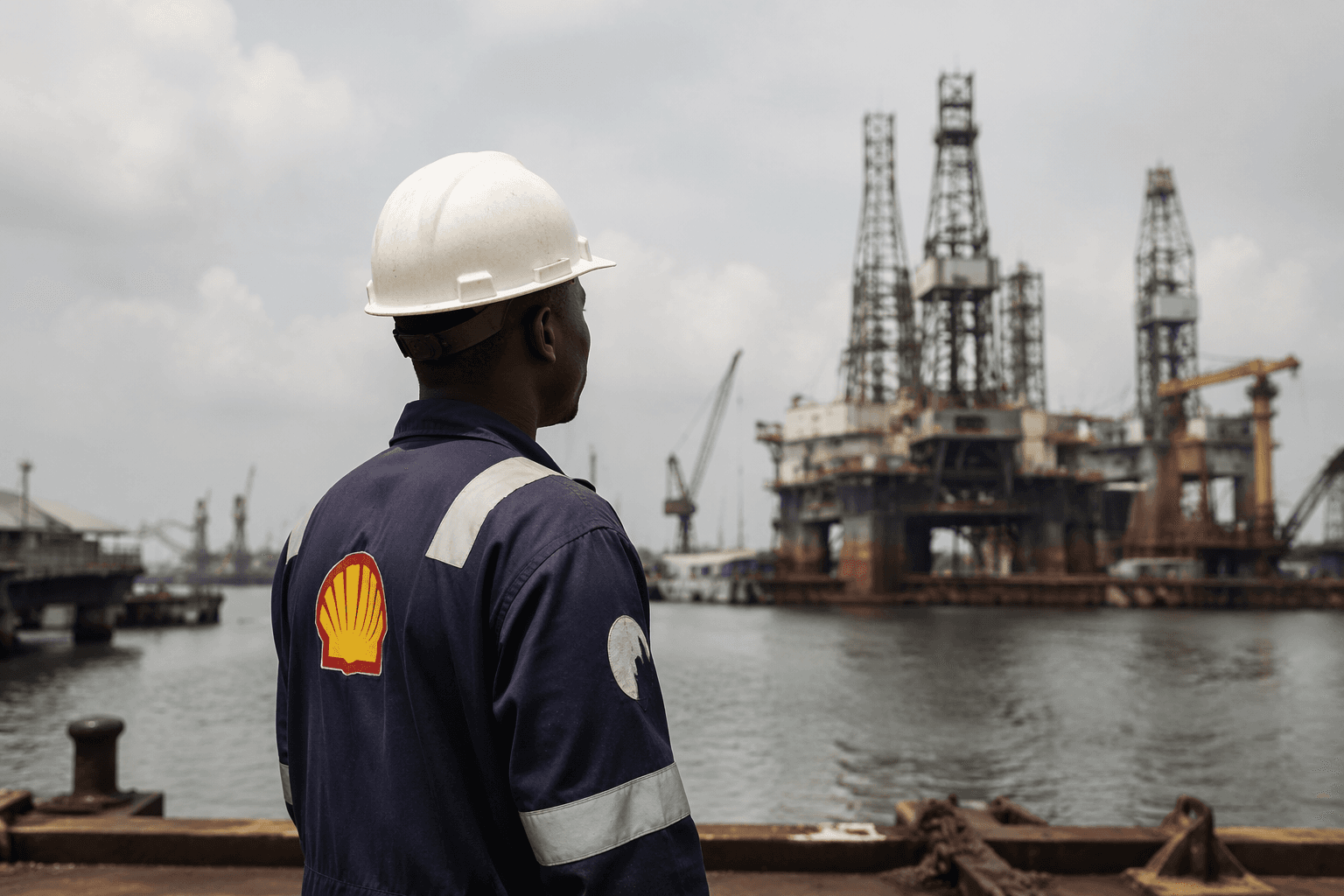
Oil, long Nigeria’s most important foreign-exchange earner, remained a weak spot. Average daily crude output was 1.55 million barrels per day in the quarter, down from 1.58 million barrels per day in the previous quarter. Slower oil production leaves the economy exposed to commodity swings and reduces the fiscal room available to cushion consumers and businesses still facing high costs.
Tinubu has spent his first three years in office scrapping fuel and electricity subsidies, devaluing the naira twice and overhauling the tax system in an attempt to repair public finances and push growth higher. He set a target of 7% annual growth by 2027 in August 2025, a level far above the current pace and central to his argument that the reforms will eventually deliver faster expansion. With a second and final presidential term on the line in the next election, the latest figures show a country moving in the right direction, but still short of the momentum needed to turn reform into relief.
Know something we missed? Have a correction or additional information?
Submit a Tip