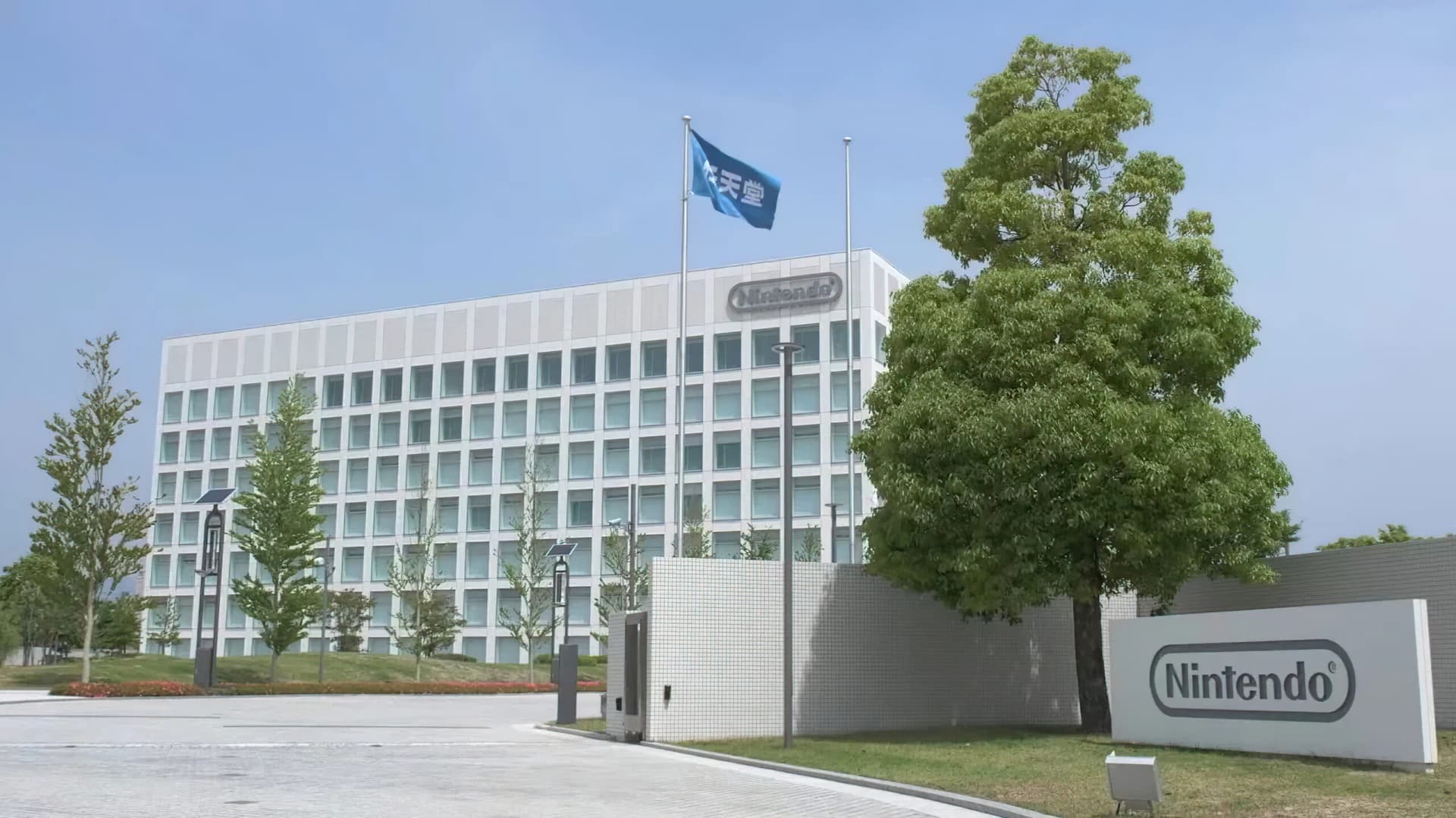
Nintendo publishes recruiting information detailing management philosophy and Nintendo DNA
Nintendo’s public Recruiting Information page foregrounds “Nintendo DNA” and says the company, in principle, requires employees to come to the office, while its human-rights benchmark scores show governance gaps.

Nintendo’s public Recruiting Information page sets out a management philosophy built around an integrated hardware and software platform and a trio of corporate values labelled “Nintendo DNA,” but it also makes clear that, in principle, the company expects employees to work on site. The recruiting page names the three elements of Nintendo DNA as originality, flexibility, sincerity and repeats a firm office-attendance stance that could shape hiring and daily schedules across studios and corporate roles.
The page includes a full management-policy statement: "As an entertainment company that creates smiles, we aim to offer our unique and original brand of play that anyone and everyone can intuitively enjoy. To enable unique entertainment experiences, we place our dedicated video game platform business – integrating both hardware and software – at the center of everything we do. We understand that all entertainment eventually loses its appeal, so we continually work to provide new and original products and services for people everywhere to make them smile." That language positions product originality and close hardware-software integration as the stated priorities recruiters will sell to candidates.
Nintendo’s office-attendance clause is explicit and repeated: "Nintendo Co., Ltd. (Japan), in principle, requires its employees to come to the office for work. We believe that having meaningful face-to-face communication is both an effective way to create original products that leverage the collective strength of employees and to achieve growth as individuals. We have established an environment where employees can physically meet every day and develop close relationships." The phrasing, including "in principle," leaves operational questions for managers about exceptions for hybrid schedules, accommodations, or long-term remote work.
The Recruiting Information page also spells out the applicant data Nintendo collects and how it is used during hiring. The site says it processes name, email address, date of birth, postal address, phone number and documents provided by the applicant, "CV, certificates, letters, including the data contained therein to your person and your qualification," plus messages such as planned starting date, period of notice and motivation for applying, "for the purposes of processing your application, including the preparation and conduct of job interviews and recruitment tests and the evaluation of the results and as otherwise necessary within the application." An event-related clause reiterates identical fields and the same stated purposes when candidates apply via recruiting specialists at events.
Public-facing recruitment detail sits alongside a separate external assessment of Nintendo’s human-rights governance. The World Benchmarking Alliance cited Nintendo documents, including a Human Rights Policy dated 18/09/2018 and an Annual Report dated 31/03/2018, and assigned low scores on several governance indicators: A.2.3 Incentives and performance management scored 0, and A.2.1 Commitment from the top scored 0.5. WBA noted that "The Representative Director and President Nintendo Co., signs the human rights policy and it 'has been approved by the Nintendo Co., Ltd. Board of Directors'." WBA also recorded Nintendo’s text that "in the event that through the process of identifying and evaluating human rights risks, and addressing prioritized issues, it becomes clear that Nintendo has negatively affected human rights through our business activities, or been involved in activities in this regard, we will act to rectify the situation" but concluded "However, it is not clear if the company has a commitment to remedy." WBA flagged multiple "Not met" items, including incentives for at least one board member, a requirement that performance criteria be made public, and named board-level responsibility for human rights.
The recruiting page therefore presents clear cultural messaging—originality, in-person collaboration and an integrated platform focus—while the 2018-era benchmarking points to governance and disclosure gaps for board oversight, incentives and remediation. For hiring managers and candidates, the combination of firm on-site expectations and limited publicly documented evaluation and governance detail means operational and career-impact questions remain unresolved inside Nintendo’s published recruiting materials.
Know something we missed? Have a correction or additional information?
Submit a Tip