North Korea fires unidentified projectile, Japan detects possible ballistic missile
North Korea launched an unidentified projectile toward its east coast; Japan's coast guard says it detected what may be a ballistic missile, heightening regional tensions.
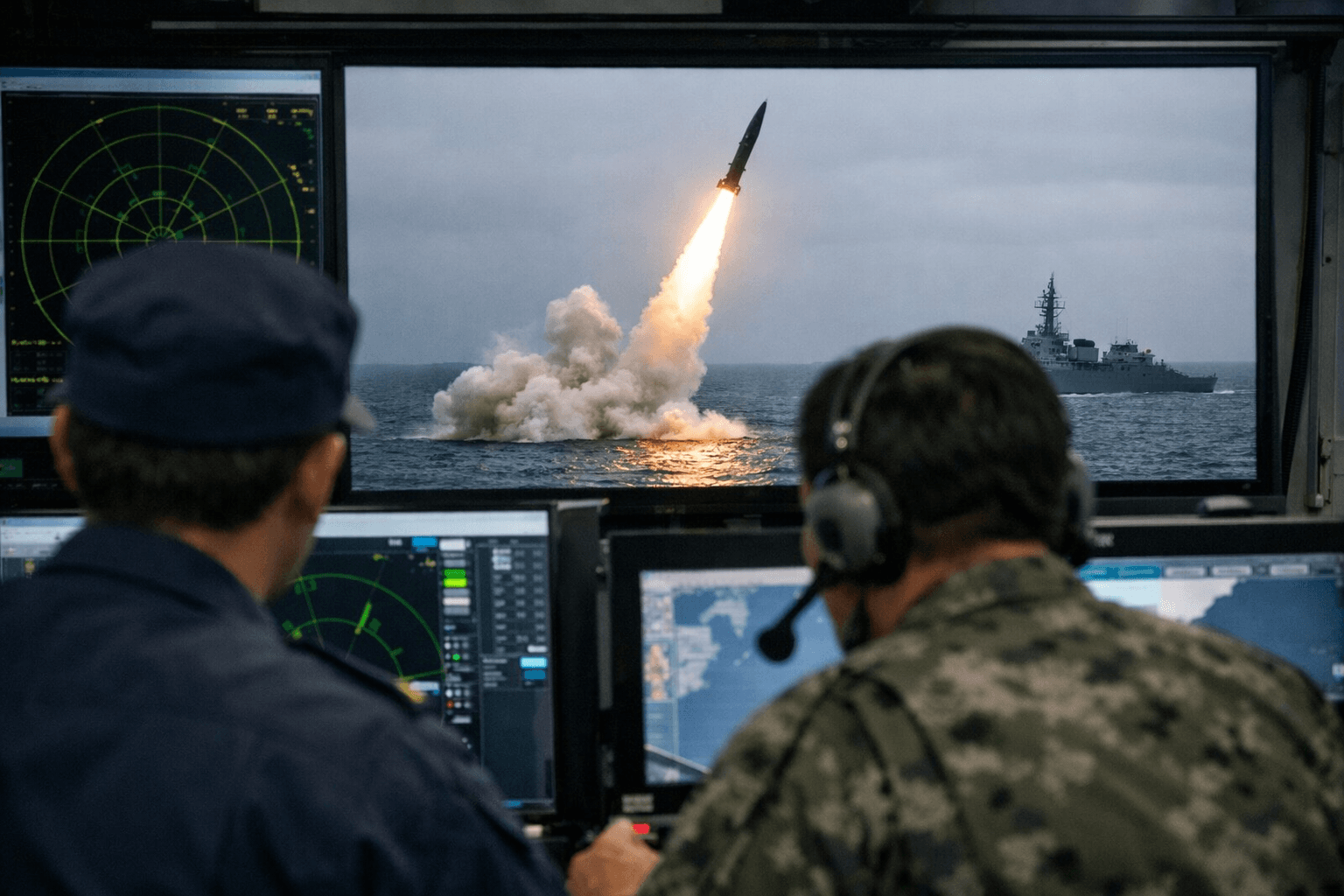
North Korea has launched an unidentified projectile toward the sea off its east coast, South Korea’s military said on Monday, and Japan’s coast guard separately reported detecting what it described as a possible ballistic missile. Early notices from Korean and Japanese authorities placed the incident off the eastern seaboard, prompting heightened monitoring across the region.
The dual notices underline the continued unpredictability of Pyongyang’s weapons activities and the sensitivities that surround any aerial or maritime discharge from the Korean Peninsula. South Korea’s armed forces, which routinely assess trajectories and impact areas, reported the launch on Jan. 27 and began tracking the object in coordination with allied and regional surveillance assets. Japan’s coast guard said its systems detected a target consistent with ballistic characteristics, an assessment that will be reviewed as more tracking data becomes available.
Such launches typically trigger immediate military and diplomatic responses in Seoul and Tokyo. Both countries maintain ballistic missile early-warning systems and have a history of sharing data with the United States and regional partners to clarify whether launches pose a threat to population centers or commercial traffic. In this case, initial announcements described the projectile as heading toward the sea, a formulation that suggests a test or tactical demonstration rather than an attempted strike on neighboring territory.
North Korea’s use of the east coast for missile trajectories carries strategic calculation. Launching over the Sea of Japan allows for evaluation of range and reentry behavior while avoiding direct overflight of South Korean or Japanese land, though the distinction offers limited reassurance given the inherent risks if guided systems deviate. Maritime interests and civilian agencies in the region typically issue notices to mariners and air traffic controllers following such events; authorities will be watching for any debris or impact evidence that could confirm the type of weapon tested.
The international legal framework around such tests is contested but consequential. Past launches of ballistic missiles by Pyongyang have been interpreted by the United Nations and many states as violations of Security Council resolutions that ban certain missile activities. Those interpretations carry the potential for fresh condemnations, sanctions targeting procurement networks, and diplomatic efforts to isolate or pressure the North Korean leadership. At the same time, Pyongyang portrays missile and rocket launches as legitimate national defense measures and demonstrations of sovereign capability.
For regional governments, each test renews difficult policy choices: whether to intensify military preparedness and joint exercises, pursue sharper economic or diplomatic measures, or open channels for deconfliction and negotiation. The United States, South Korea and Japan have over recent years calibrated responses to balance deterrence with the management of escalation risks. Analysts will now examine available telemetry and radar signatures to determine the projectile’s range, propulsion type and whether it behaved like a short-range, medium-range or intercontinental system.
As tracking continues and official assessments are completed, the immediate local priority will be clarifying potential hazards to shipping and aviation and confirming the missile’s technical profile. Beyond those practical concerns, the launch is likely to reinforce regional anxieties about strategic stability on the Korean Peninsula and revive debate over pressure and engagement strategies toward Pyongyang.
This article was produced by Prism’s automated news system from verified source data, official records, and press releases, then run through automated quality and moderation checks before publishing. The system is built and supervised by the people who set the standards it runs under. Read our full AI policy.
Did this article answer your question?


