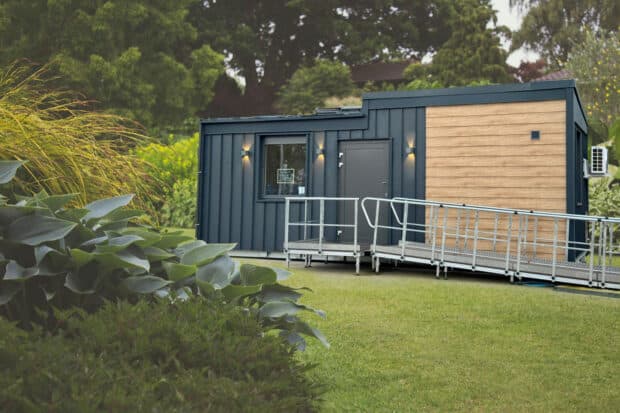
Northern California tiny house playbook - legal tips, communities, financing
A regional how-to for relocating or building a tiny home in Northern California, covering permits, site options, costs, and climate-smart design. Practical steps and local examples to plan your move or build.
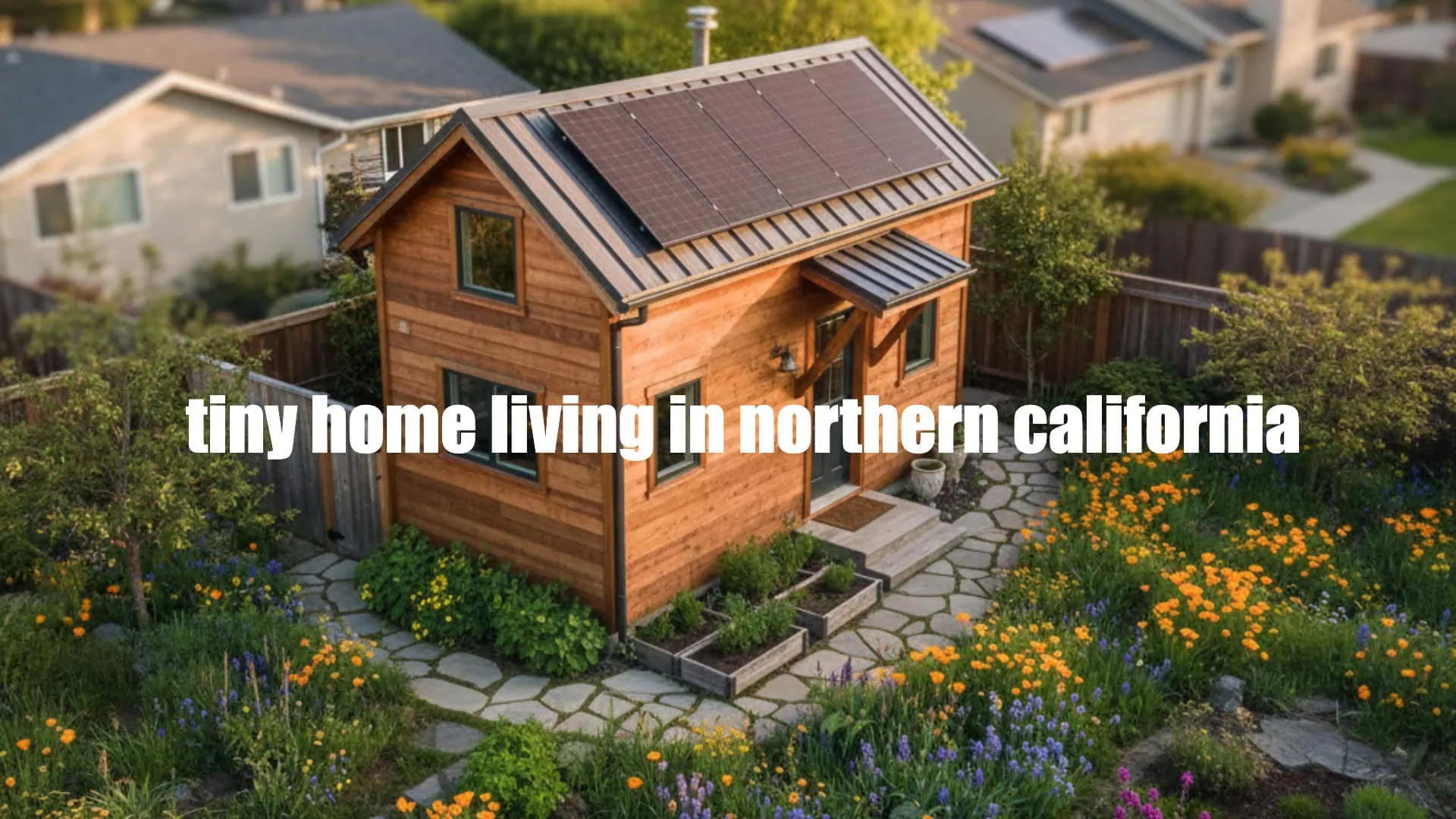
Relocating or building a tiny home in Northern California hinges on one thing: know your ground rules before you set your wheels or lay your foundation. County-by-county regulation, the difference between RVIA-certified park models and foundation-based tiny homes, and whether you want mobility or permanence all determine where you can place a tiny house, how you finance it, and what ongoing costs you’ll face.
Start with the core distinction. RVIA-certified units, often called park models, travel on a chassis and are regulated more like recreational vehicles. Foundation-based tiny homes are treated like dwelling units and are subject to building codes, ADU rules, and local permitting. The mobility of an on-wheels build can simplify placement in RV-friendly parks and access RV financing, but it can complicate ADU compliance and long-term insurance. A foundation buys permanence and easier ADU approval in some counties, but triggers typical residential permitting, impact fees, and stricter construction standards.
Regulations vary sharply across counties. Read code language for RVs, park models, accessory dwelling units, and tiny-home communities in the county where you plan to live. Permit strategies include pursuing park-model classification when acceptable, designing to ADU standards where possible, and working with local planners early to pin down utility hookups, septic or sewer requirements, and setback rules. Expect negotiation and documentation; plan reviews often hinge on foundation type, square footage, and intended use.
Site and community options in the region include clustered villages, boutique short-stay parks, and cooperative projects. Examples to visit or research: Sonoma County Tiny House Village, Caravan Tiny House Hotel in Napa, and Opportunity Village in Sebastopol. Site fees typically cover land lease, water and sewer hookups, and shared amenities; structure costs vary by build quality, systems, and customization. Compare ownership costs to conventional housing by factoring in site fees, maintenance, insurance, and permit expenses alongside lower mortgage or financing payments on smaller builds.
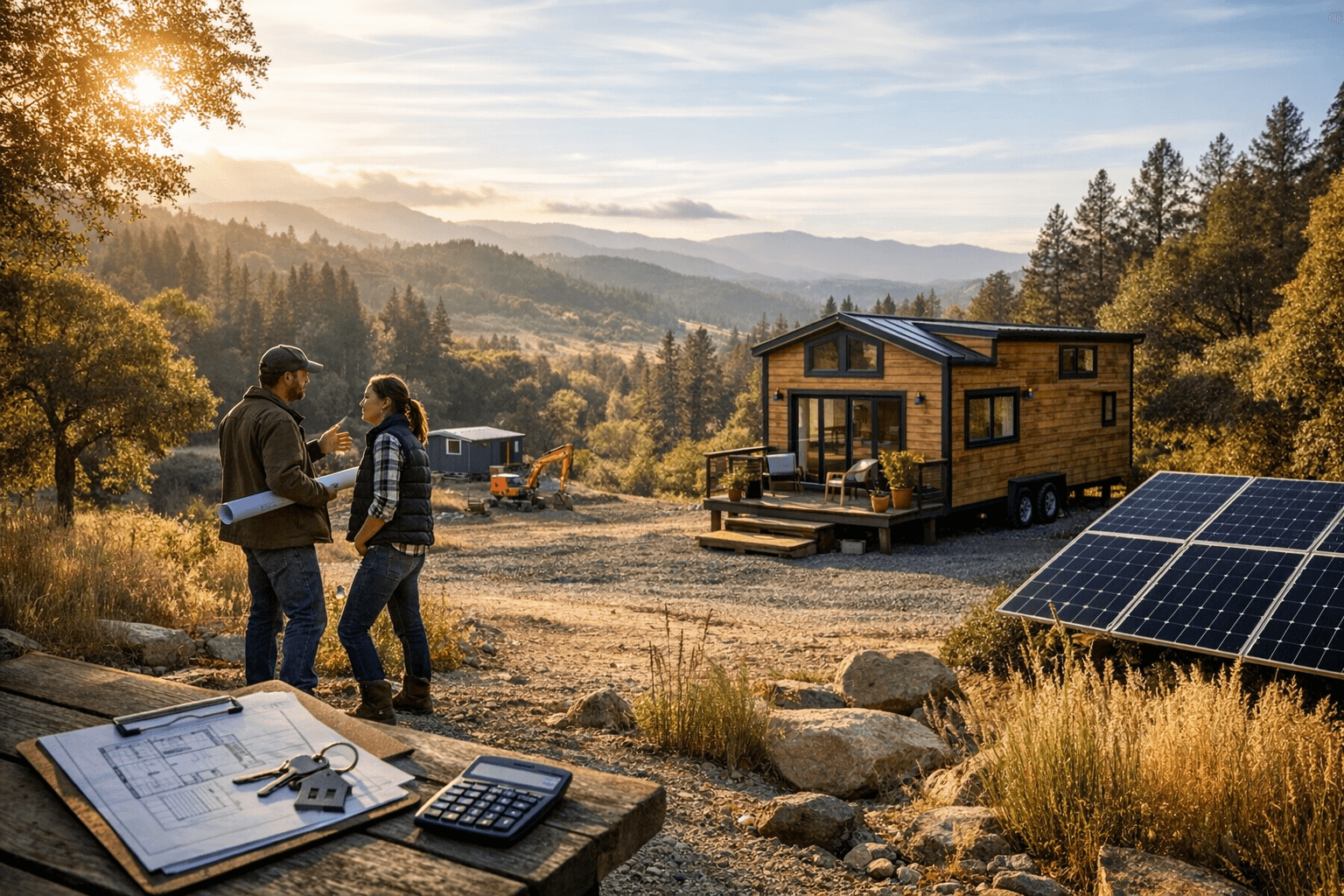
Design for Northern California climates. Coastal sites need wind-resistant anchoring, higher moisture control, and ventilation to prevent condensation. Inland locations demand attention to summer heat, thermal mass, and evaporative cooling options. Wildfire risk calls for ember-resistant cladding, hardscape defensible space, and noncombustible roofing. Seismic considerations favor bolted foundations and flexible utility connections.
Finance and project planning are practical levers. RV financing fits RVIA park models, while construction loans or personal loans may suit custom foundation builds. Follow a step-by-step plan: assess needs and site constraints, select a builder experienced with local codes, map permit milestones, customize for climate and maintenance access, and lock in financing and insurance early.
If you’re weighing wheels versus roots, choose based on where you need to park and how long you plan to stay. Talk to local planners, visit the named projects, and get multiple builder bids. With clear permit strategy and climate-smart detailing, you can tighten your footprint without loosening standards. What comes next is action: confirm county requirements, align financing to the build type, and schedule site visits to turn the tiny-home plan into a livable reality.
Know something we missed? Have a correction or additional information?
Submit a Tip