Northern Lights Visible Across Up To 15 U.S. States Tonight
A G1-level geomagnetic storm forecast by NOAA’s Space Weather Prediction Center is boosting aurora chances across parts of the continental United States on the night of Jan. 8 into the early hours of Jan. 9. The event, driven by a recent coronal mass ejection, offers rare skywatching for many Americans while underscoring the need for continued monitoring of space weather impacts on satellites and power systems.

The National Oceanic and Atmospheric Administration’s Space Weather Prediction Center issued a G1-level geomagnetic storm forecast for the night of Jan. 8 into the early morning of Jan. 9, increasing the likelihood that the aurora borealis will be visible across broad swaths of the continental United States. Forecasters tied the activity to recent solar disturbances, including a coronal mass ejection that models show interacting with Earth’s magnetic field.
Photographers captured vivid displays over Midwestern skies as the geomagnetic activity peaked. Photographs credited to Ross Harried/NurPhoto and Jeremy Hogan/Getty Images show bands of green and pink light over Monroe County, Wisconsin, and other locations. Earlier imagery from a strong November event, which pushed auroras deep into the lower 48, illustrated how far geomagnetic storms can carry colorful displays when conditions align.
Estimates of how many states may see the lights vary by forecast and timing. Some accounts for this week cite visibility across 15 states; earlier model runs for the related solar event projected auroras could extend into as many as 18 states during late Jan. 2 and early Jan. 3. Geographic reach in different scenarios ranges from high-latitude Alaska through Midwestern states such as Illinois and, in atypically strong displays, as far south as Alabama and Florida. Those differences reflect the variable nature of CME impacts and the uncertainties in arrival time and magnetic orientation.
Operational staff at NOAA’s SWPC have been tracking the activity in real time. Shawn Dahl, service coordinator at the center, summarized the recent runup: “Well, we had activity tonight, a lot of geomagnetic storm activity.” The comment underscores that while the current classification is minor (G1), observers should expect lively displays in cleared, dark-sky locations and intermittent enhancements in auroral intensity.
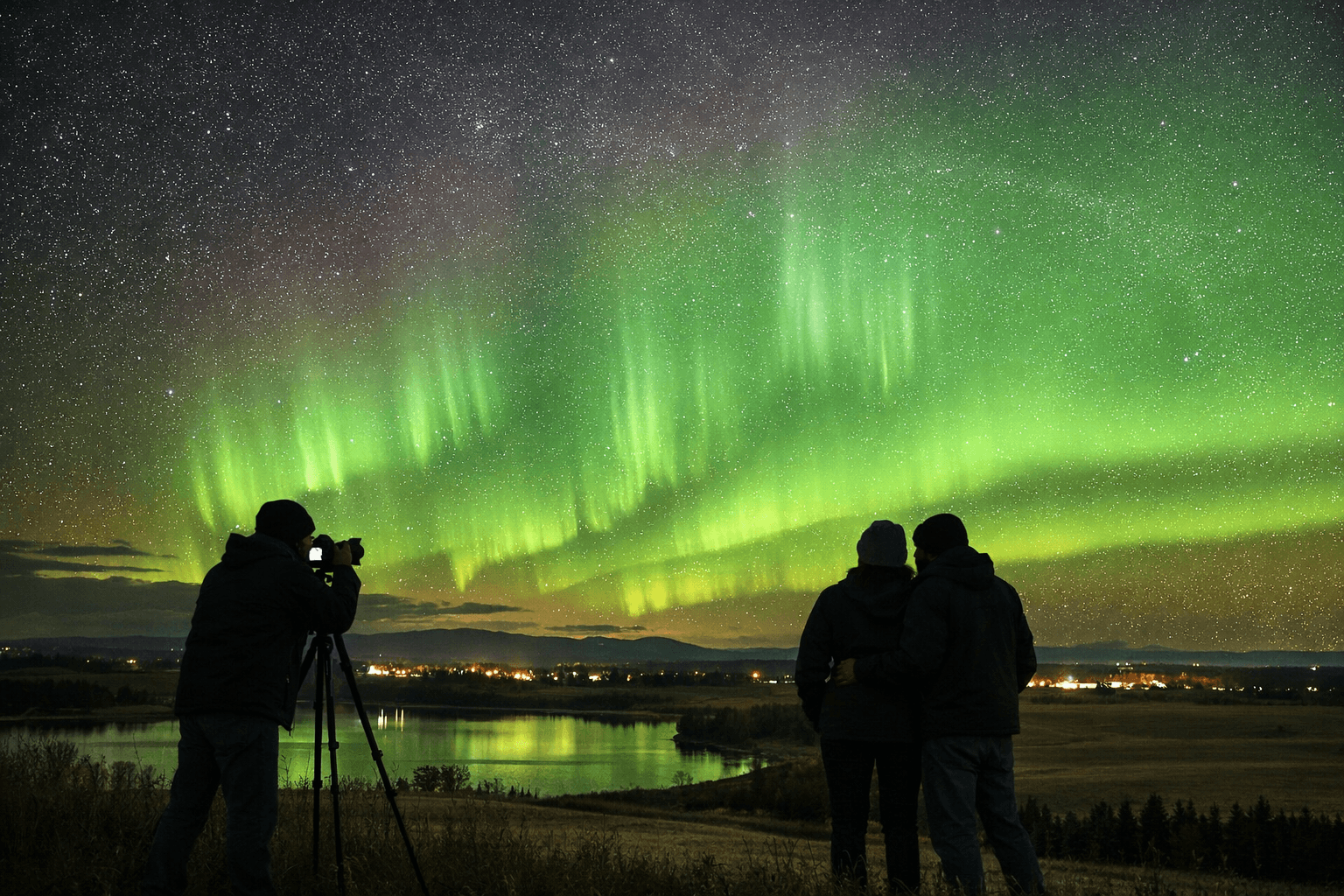
SWPC recommends that the public and operators consult its three-day geomagnetic forecast and aurora alerts for updated timing, with the best viewing windows beginning after local darkness. Watchers are advised to seek areas away from light pollution and to monitor official alerts, as cloud cover and local conditions ultimately determine visibility.
Beyond the spectacle, space weather has practical consequences. Even minor geomagnetic storms can interfere with high-frequency radio, affect satellite surface charging and degrade GPS accuracy for short intervals; stronger storms risk broader impacts on power grid operations and space-based infrastructure. These risks have prompted continued cooperation among international meteorological and space agencies to refine models and share alerts, particularly as reliance on satellites deepens across aviation, maritime navigation and telecommunications.
NOAA’s SWPC remains the authoritative domestic source for forecasts and warnings. As the event unfolds into Jan. 9, updates from SWPC and partner agencies will clarify whether the aurora will remain confined to a G1-class display or if further solar activity elevates impacts beyond current expectations.
This article was produced by Prism’s automated news system from verified source data, official records, and press releases, then run through automated quality and moderation checks before publishing. The system is built and supervised by the people who set the standards it runs under. Read our full AI policy.
Did this article answer your question?


