Norway’s gas and hydropower can’t fully solve Europe’s energy crisis
Norway supplied about 30% of EU gas imports in 2024, but its producers are already near full capacity and hydropower swings with rain and snow.
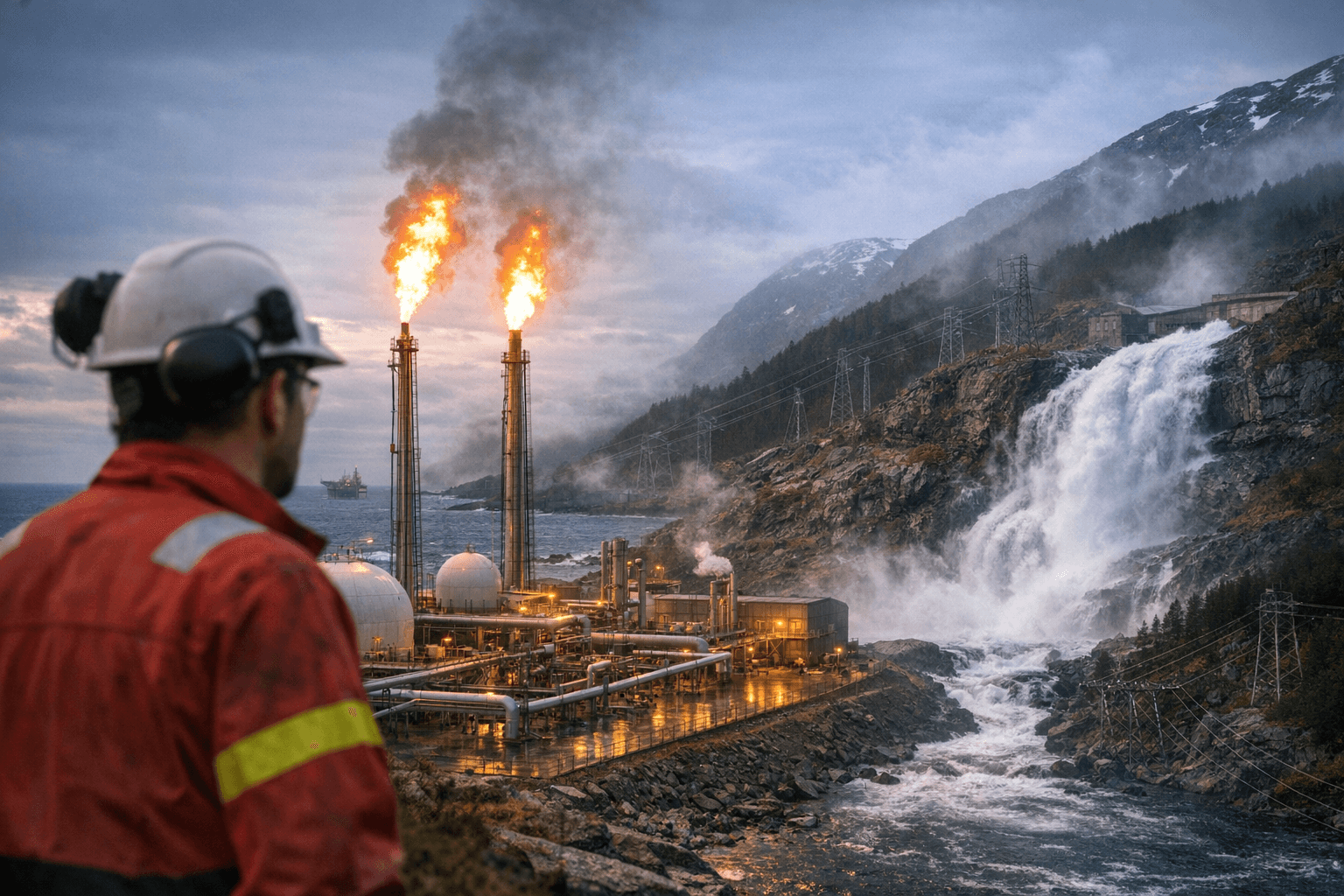
Europe wants Norway to act like a standby power plant. Norway is already running close to the ceiling, and that is the central problem for policymakers searching for secure supply.
Norway shipped a record amount of natural gas in 2024, when output reached 124 billion cubic metres. Gassco said that delivery through the transport system from the Norwegian continental shelf accounted for about 30% of Europe’s gas imports, while Norwegian petroleum data put the country’s gas exports at more than 30% of total gas consumption in the European Union and the United Kingdom combined. Since Russia’s invasion of Ukraine in 2022, and after Russian gas transit through Ukraine ended at the turn of 2025, Norway has become Europe’s largest gas supplier. Yet Norway’s energy minister, Terje Aasland, has made the limit plain: the country is essentially producing at full capacity, with little room to lift output much further.
That matters because Europe still needs a dependable backstop. Gas storage remains the main buffer against winter shocks, but Gas Infrastructure Europe warned in April that without sustained injections starting as early as this month, the continent could enter winter 2026/2027 with reduced withdrawal flexibility and tighter safety margins. If another supply disruption hit late in the heating season, Europe would have less room to absorb it. Norway can help, but it cannot replace storage, LNG cargoes or the broader diversification effort.
The same constraint applies to electricity. Norway is often described as Europe’s green battery because its hydropower can help balance intermittent wind and solar generation across northwest Europe. But nearly 90% of Norway’s electricity comes from hydropower, and that makes exports dependent on precipitation, snowpack and reservoir levels. In a dry spell, the country has less water to release, export capacity falls and prices can rise at home and abroad. Bloomberg reported in 2026 that a dry winter and low reservoir levels were already pressuring Norway’s power market, a reminder that even a friendly supplier is bound by weather.
That leaves Europe with a strategic mismatch. The European Union has worked to cut dependence on Russian energy, which has increased the importance of Norway, the United States and LNG markets. But Norway is not an unlimited rescue option. Its gas fields are near full stretch, its hydropower is weather-sensitive, and its own domestic market cannot be squeezed indefinitely without political and economic consequences. For Europe, Norway remains indispensable, just not sufficient.
This article was produced by Prism’s automated news system from verified source data, official records, and press releases, then run through automated quality and moderation checks before publishing. The system is built and supervised by the people who set the standards it runs under. Read our full AI policy.
Did this article answer your question?


