Novartis to build 46,000-square-foot radioligand plant in Denton as part of $23B U.S. push
Novartis will open a 46,000-square-foot radioligand therapy plant in Denton, Texas, its fifth U.S. RLT site and first in Texas, part of a $23 billion U.S. investment.
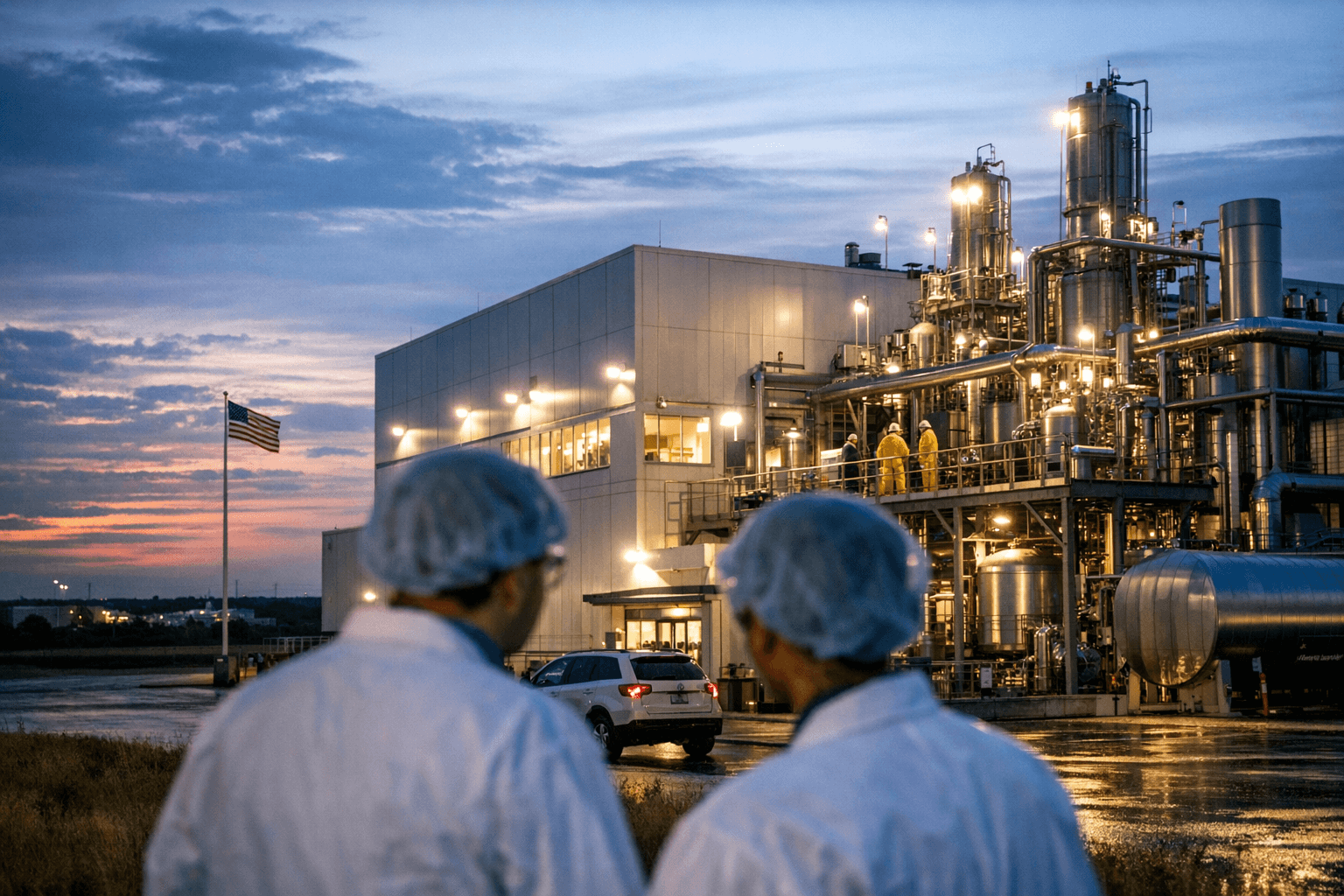
Novartis announced plans to build a 46,000-square-foot radioligand therapy manufacturing site in Denton, Texas, its fifth RLT facility in the United States and the first the company will locate in Texas. The project is part of a broader $23 billion U.S. investment that Novartis unveiled as a strategic expansion of domestic manufacturing and research capacity.
The facility will produce radioligand therapies, the class of medicines that couples radioactive isotopes to targeting molecules to deliver radiation directly to tumors. Demand for these therapies has surged in recent years as regulators have approved new agents for prostate, neuroendocrine and other cancers and as clinicians seek alternatives to conventional chemotherapy. Novartis has marketed radioligand products as part of its oncology portfolio and has cited supply capacity as a limiting factor for wider patient access.
Novartis did not immediately disclose a construction timeline, employment figures or the financial outlay associated with the Denton site. Company officials said the plant will expand manufacturing capacity in the United States as part of the $23 billion program, which the company describes as investments across production, research and workforce development in the U.S. market.
Radioligand manufacturing requires specialized facilities and regulatory compliance. Production lines must integrate radiological shielding, hot cells for handling radioactive materials, short supply chains for isotopes with limited half-lives and stringent good manufacturing practice controls overseen by the Food and Drug Administration and, for some isotopes, oversight by the Nuclear Regulatory Commission. Expanding capacity in Texas gives Novartis closer proximity to U.S. hospitals and clinics that administer these therapies and to logistics networks that can deliver short-lived radioisotopes quickly.
The Denton site joins a growing wave of onshore investments by pharmaceutical companies seeking to secure supply chains for advanced therapies. Industry analysts say increased domestic manufacturing can reduce reliance on overseas suppliers of isotopes and components, shorten delivery times for patients and create local clusters of skilled workers and suppliers. For communities, an RLT manufacturing site can mean higher-wage technical jobs, partnerships with local universities and increased demand for specialized contractors and waste management services.
The move also has implications for health systems and patients. By increasing domestic production capacity, Novartis aims to reduce bottlenecks that have at times limited patient access to radiopharmaceuticals and have forced some centers to ration doses or delay treatments. Whether the Denton facility materially shortens supply timelines will depend on regulatory approvals, the speed of build-out and the company’s distribution plans.
Novartis’s investment underscores a broader shift in the pharmaceutical industry toward onshore production of complex therapies, blending nuclear medicine and precision oncology. As the company progresses with construction and regulatory filings, regulators, hospital systems and patient groups will be watching closely for details on capacity, timelines and how the company intends to translate expanded manufacturing into faster access for patients.
This article was produced by Prism’s automated news system from verified source data, official records, and press releases, then run through automated quality and moderation checks before publishing. The system is built and supervised by the people who set the standards it runs under. Read our full AI policy.
Did this article answer your question?