NRC proposes easing radiation rules to speed new reactor development
NRC proposed scrapping ALARA while keeping dose limits unchanged, setting up a fight over whether faster reactor licensing means less safety.

The U.S. Nuclear Regulatory Commission proposed on July 1 to loosen radiation-protection rules for new reactors, keeping public and worker dose limits in place but replacing the long-standing ALARA standard with clearer, more objective requirements. The change would reduce regulatory burden and give licensees more flexibility in how they manage occupational exposure, while critics warned it could raise cancer-causing doses in the name of speed and cost savings.
The proposal would shift the agency toward a more risk-informed, performance-based framework. Under the plan, the NRC would still cap exposure levels, but it would no longer treat As Low As Reasonably Achievable as a separate regulatory expectation. Caregivers of patients receiving treatments involving radioactive materials could voluntarily receive higher doses if that improves patient care while maintaining protections.
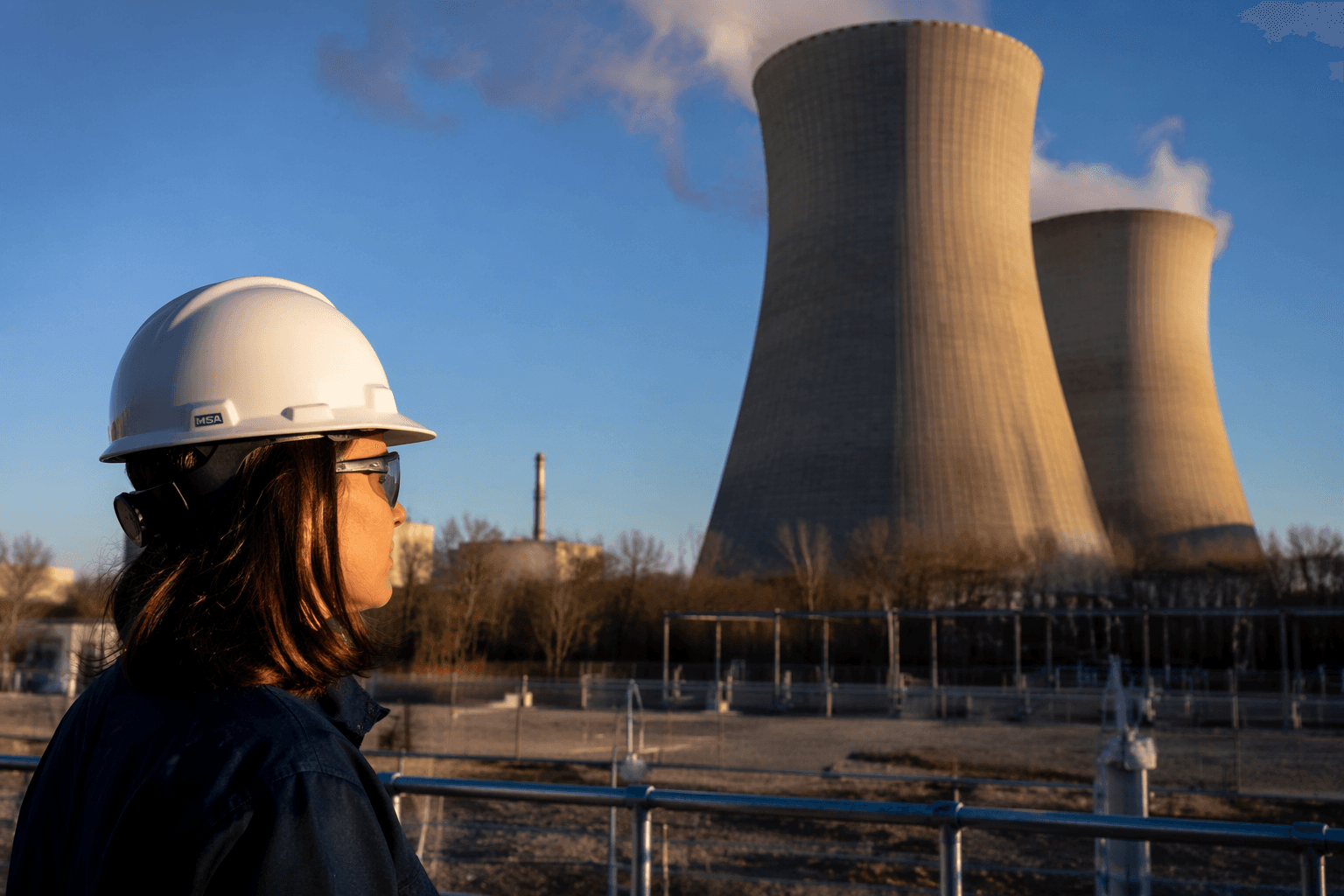
Ho K. Nieh, the NRC chairman, framed the change as a clarification exercise rather than a rollback. “We’re raising the standard for regulatory clarity, not lowering the standard for safety,” Nieh said, adding that the agency’s radiation dose limits would remain unchanged.
President Donald J. Trump’s May 23, 2025 executive order on NRC reform said the agency had authorized only a fraction of the reactors built between 1954 and 1978 and criticized the use of no-threshold radiation models. The White House fact sheet directed the NRC to complete rulemakings within 18 months and imposed fixed deadlines for reactor licensing decisions, including 18 months for construction and operation of new reactors and 12 months for continued operation of an existing reactor.

Industry supporters argue that ALARA is tied to the Linear No-Threshold model, which assumes any radiation dose carries some cancer risk, and that complying with the rule is expensive, time consuming and uncertain. The current approach can add costs and complexity without a measurable safety benefit.
Edwin Lyman of the Union of Concerned Scientists said the scientific consensus is that there is no safe level of radiation exposure and warned that removing ALARA could allow workers and the public to be exposed to higher cancer-causing doses to save money.

The NRC will accept public comments for 45 days after the rule is published in the Federal Register and plans to hold a public meeting during that period. The agency last extensively revised its radiation protection standards in 1991 after a 12-year rulemaking process, and those revisions took effect in 1994. Appendix I to 10 CFR Part 50 still contains numerical guides tied to ALARA for reactor effluents.
This article was produced by Prism’s automated news system from verified source data, official records, and press releases, then run through automated quality and moderation checks before publishing. The system is built and supervised by the people who set the standards it runs under. Read our full AI policy.
Did this article answer your question?