Nvidia halves Asian chip customers as export checks tighten for China risk
Nvidia cut more than half its Asian chip customers after tougher vetting, as U.S. export checks tightened around sales that could reach China.
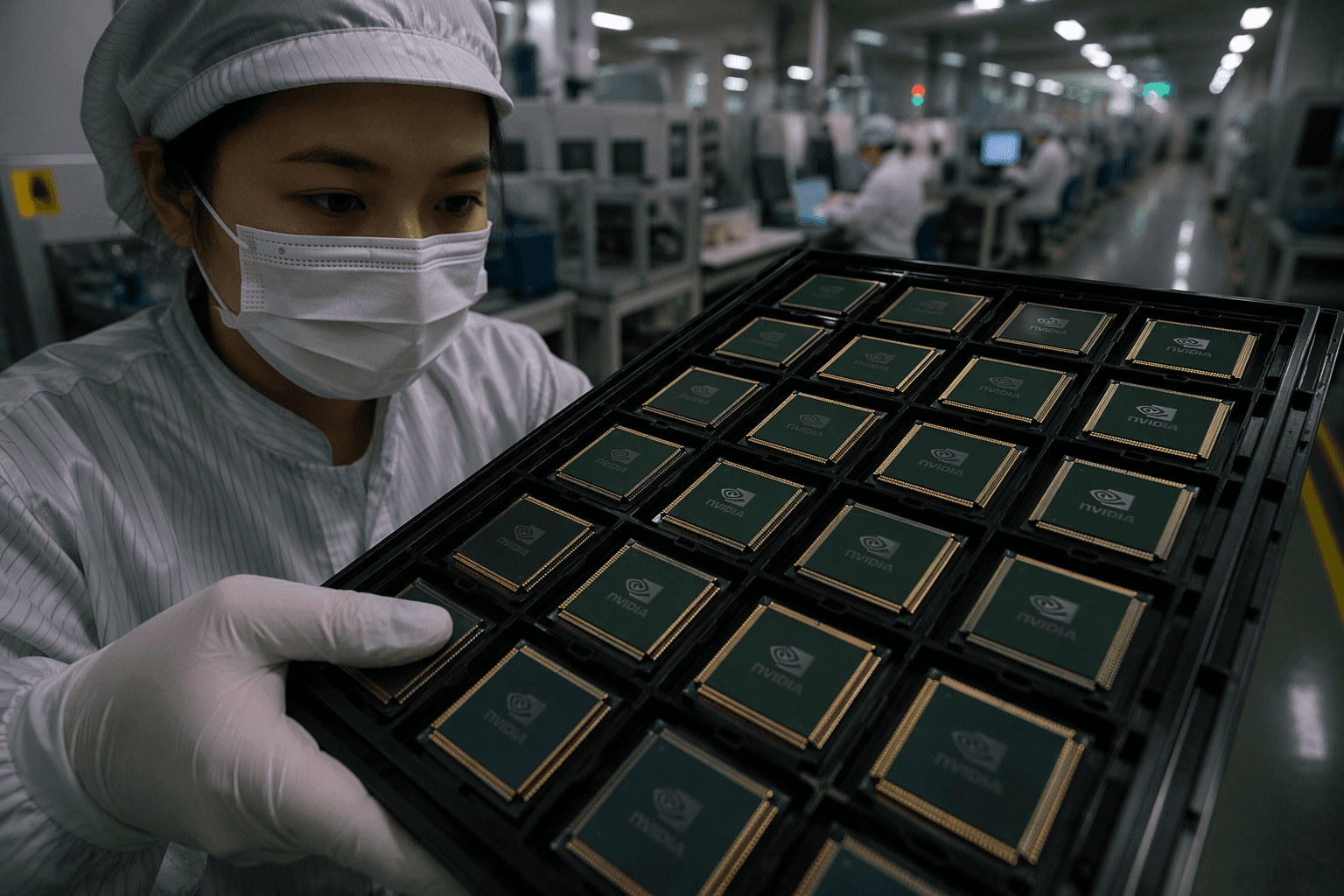
Nvidia has more than halved the number of Asian customers allowed to buy its AI chips after imposing a new white list that screens buyers for China diversion risk. The tighter vetting has already pushed more than half of Nvidia’s prior customers off the approved list, with neo-cloud providers hit especially hard.
The company has stepped up due diligence in Singapore, Malaysia and Japan over the past few months, sending staff to customers’ data centers, checking contracts and interviewing end users before granting approval. Customers removed from the list can apply again if they make changes that satisfy the review. The shift narrows access to Nvidia hardware for data-center operators and cloud providers that had counted on the company’s supply to build out AI capacity across Southeast Asia.
The screening comes as Washington has sharpened its own controls. On May 31, 2026, the U.S. Department of Commerce’s Bureau of Industry and Security issued guidance saying a license is required to export advanced computing items to entities headquartered in Country Group D:5 or Macau. BIS later updated its FAQs on June 17, 2026, clarifying that the rule covers advanced computing items including 3A090 and 4A090 chips and related .z items. The agency said advanced computing ICs had been subject to export restrictions since October 2022.
BIS has also widened enforcement through entity listings. In 2024, it added 12 entities, 11 in China and one in Taiwan, for work tied to advanced AI, supercomputers and high-performance AI chips for China-based end users with military-industrial ties. That record of enforcement has made chip compliance a moving target for suppliers and buyers alike, especially when components can be resold or routed through third countries before reaching China.
For Nvidia, the white list is a commercial firewall as much as a compliance tool. By vetting who buys, where equipment is installed and who ultimately uses it, the company is trying to protect access to key Asian markets while reducing the chance that its most advanced chips become part of a sanctions violation. The result is a narrower customer base, more scrutiny at the rack level and less room for intermediaries to hide the final destination of high-end AI hardware.
This article was produced by Prism’s automated news system from verified source data, official records, and press releases, then run through automated quality and moderation checks before publishing. The system is built and supervised by the people who set the standards it runs under. Read our full AI policy.
Did this article answer your question?