Nvidia’s Huang says China will eventually open to U.S. chips
Jensen Huang said China will eventually reopen to U.S. chips, even as Nvidia’s H200 sales remain stalled by Beijing approval and the wider U.S.-China tech fight.
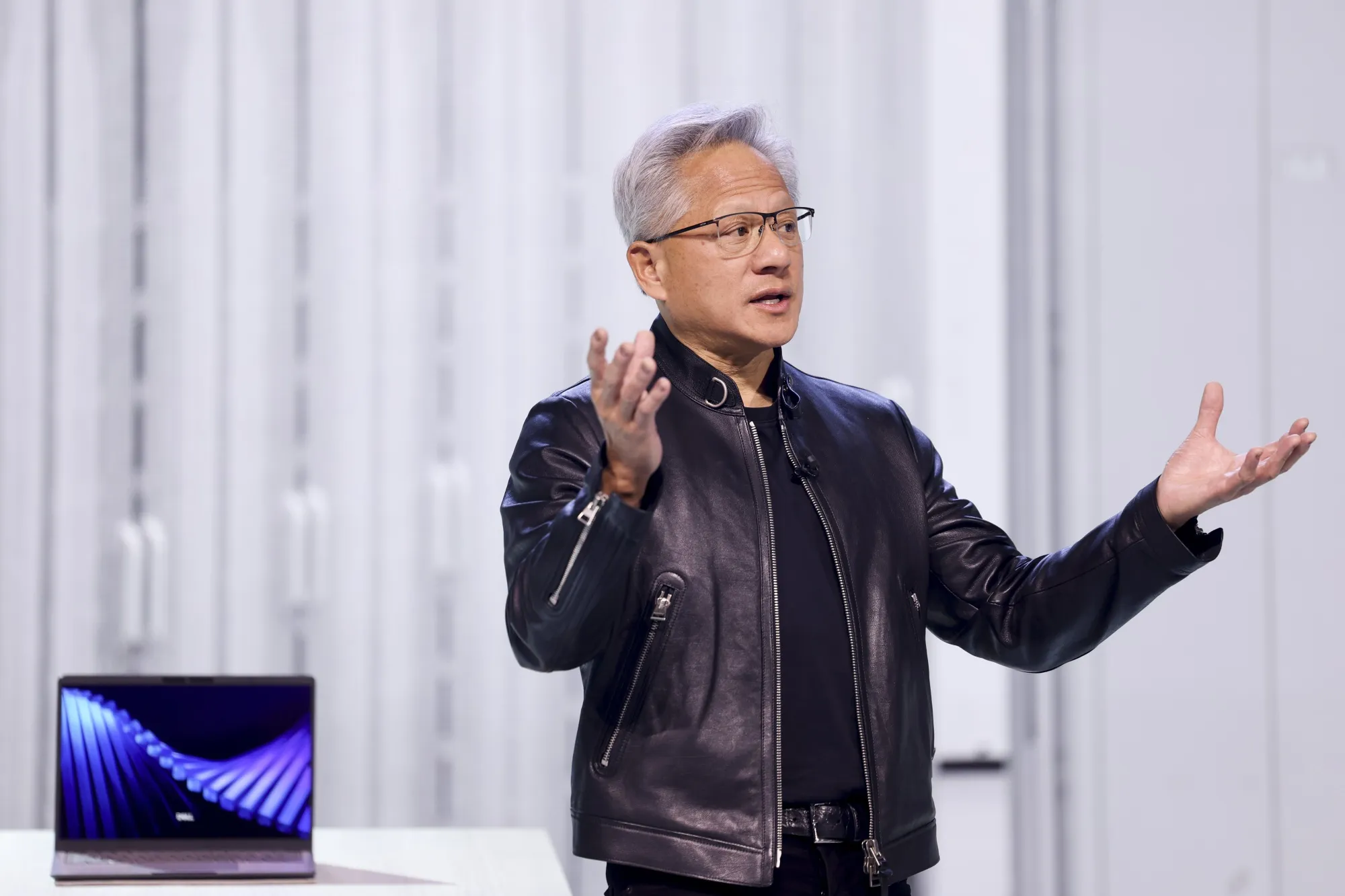
Jensen Huang is betting that China will eventually reopen to U.S. chip suppliers, but Nvidia remains trapped in a two-sided political bottleneck: Washington has cleared sales of the H200 to selected Chinese buyers, while Beijing has not approved deliveries.
Speaking at Dell Technologies World in Las Vegas alongside Michael Dell, Huang said China’s demand for AI hardware remains “incredible” and that he does not see the market staying closed indefinitely. He also said he did not discuss H200 sales directly with Chinese officials, underscoring how little room Nvidia has right now to turn optimism into shipments.
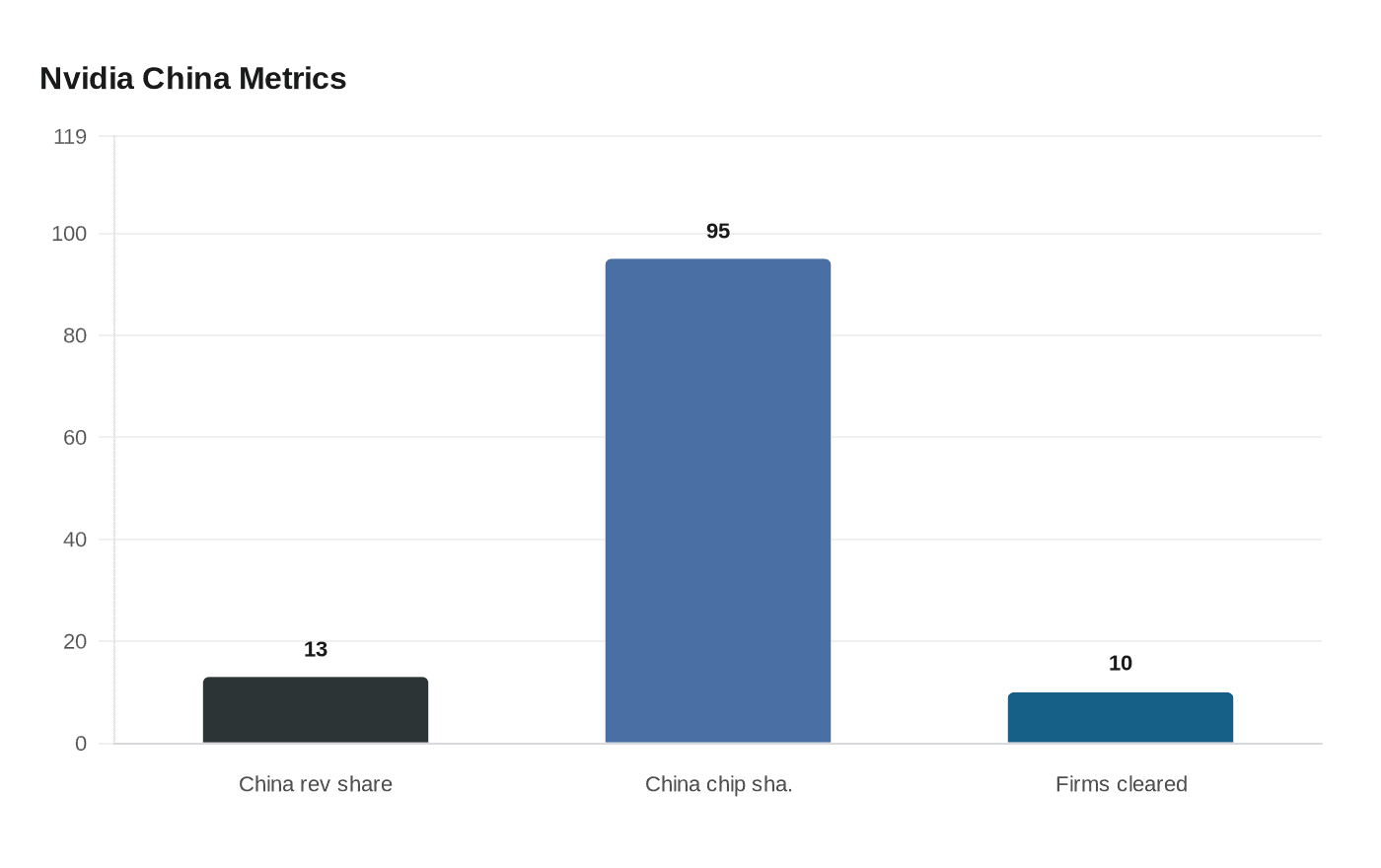
The gap between approval and actual sales is the central business problem. The U.S. Commerce Department has cleared around 10 Chinese firms to buy Nvidia’s H200 chips, including Alibaba, Tencent, ByteDance and JD.com, with Lenovo and Foxconn among the distributors named in related coverage. Yet no deliveries had been made, because Chinese authorities are still withholding their own approval as they push to cultivate domestic chip suppliers and reduce dependence on foreign technology.
That tension explains why Huang’s comments carry more weight than a routine CEO forecast. Before U.S. export curbs tightened, Nvidia commanded about 95% of China’s advanced chip market. China accounted for about 13% of Nvidia’s fiscal 2025 revenue, or roughly $17.1 billion, and Huang has previously estimated that China’s AI market alone could reach about $50 billion this year. For Nvidia, access to China is not a side business; it is a major growth channel in the world’s largest market for advanced electronics.
The issue also speaks to the wider semiconductor contest between the United States and China. Trump’s talks with Xi Jinping did not produce an immediate breakthrough for Nvidia, leaving export controls, licensing decisions and national security concerns to shape the company’s prospects as much as customer demand does. Beijing’s caution reflects its drive for semiconductor self-sufficiency and its support for domestic champions such as Huawei Technologies. Huang’s message was one of long-term confidence, but the near-term reality is that Nvidia’s most important foreign market remains locked behind both Washington’s restrictions and Beijing’s strategic priorities.
Know something we missed? Have a correction or additional information?
Submit a Tip