Oil falls below $100 as U.S.-Iran talks raise ceasefire hopes
Oil slipped back under $100 as U.S.-Iran ceasefire talks eased supply fears, with Brent at $97.50 and WTI at $96.83 in early Asian trade.
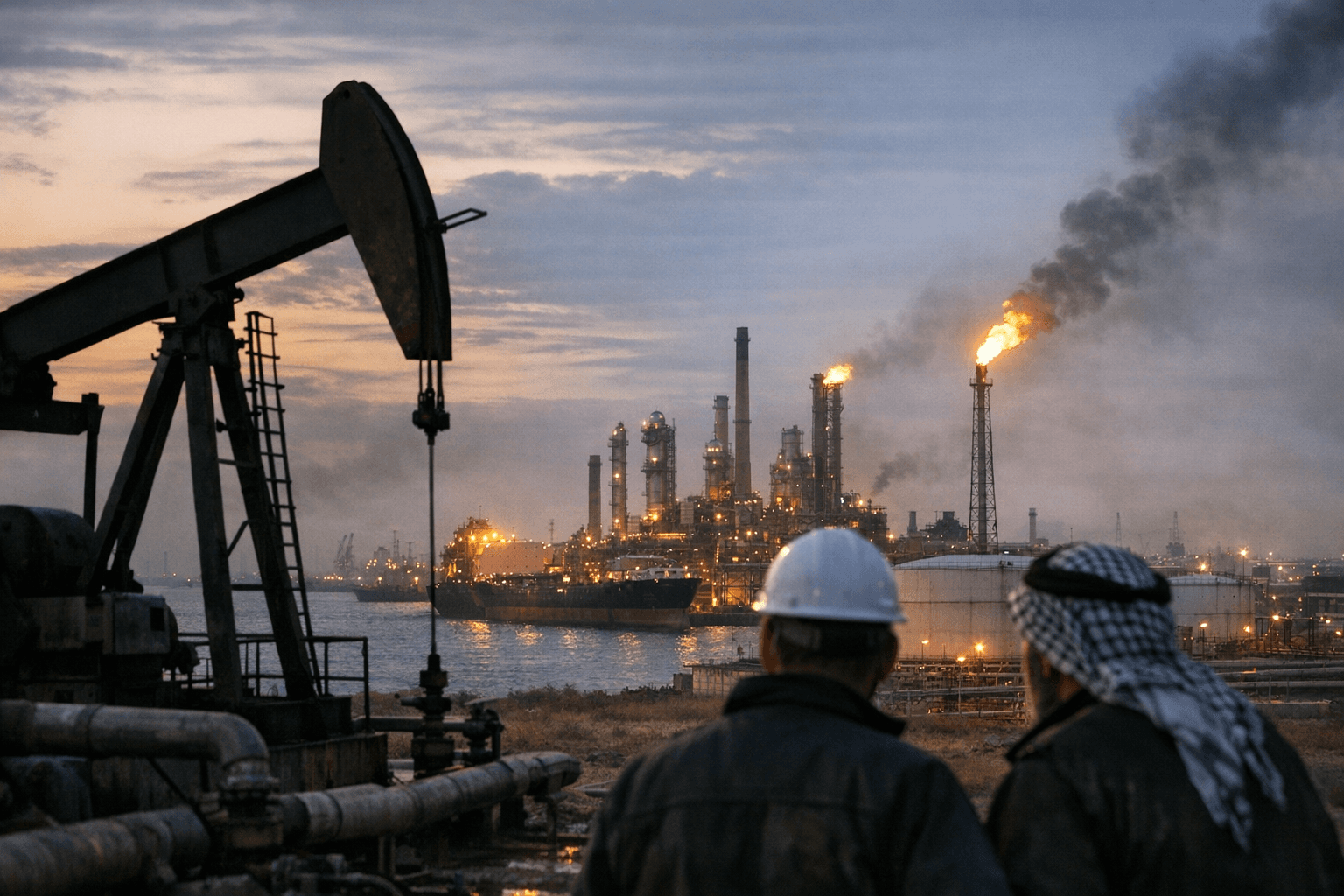
Crude prices slipped back below $100 a barrel, a move that could eventually ease pressure on gasoline, shipping costs and household budgets if U.S.-Iran diplomacy holds. The relief is only partial for now: any benefit to drivers and consumers will depend on whether the talks produce a ceasefire that keeps oil flowing through one of the world’s most important chokepoints.
Brent crude fell to about $97.50 a barrel in early Asian trading, while U.S. West Texas Intermediate dropped to about $96.83. The retreat came after both benchmarks had jumped sharply in the previous session, when the U.S. military began a blockade of Iranian ports and traders scrambled to price in the risk of disruption around the Strait of Hormuz. Brent had risen more than 4% and WTI nearly 3% in the earlier session before easing back.
The latest decline reflected growing hopes that Washington and Tehran could still step back from a wider energy shock. The two sides were discussing another round of face-to-face negotiations for a longer-term ceasefire, with the aim of holding talks before a two-week pause in hostilities announced on April 7 expires. President Donald Trump said Tehran had reached out and wanted to “make a deal.” Iranian President Masoud Pezeshkian said Iran was prepared to continue peace talks only within the framework of international law and regulations.
For oil traders, the key issue is whether diplomacy can reduce the threat to tanker traffic through the Strait of Hormuz, a narrow but critical route for global oil shipments. Any disruption there can move prices quickly, and the market has been especially sensitive since the blockade of Iranian ports intensified the risk to vessels moving through the Gulf of Oman and into the Arabian Sea.
Even so, a drop in benchmark crude does not translate immediately into cheaper fuel at the pump. Refiners, shippers and fuel distributors usually take time to pass through lower costs, and that lag can stretch from days to weeks depending on how stable the diplomatic picture remains. If ceasefire talks deepen and the blockade risk recedes, the fall in crude could filter through to retail fuel prices and freight costs. If talks break down, the market is likely to snap back just as fast.
This article was produced by Prism’s automated news system from verified source data, official records, and press releases, then run through automated quality and moderation checks before publishing. The system is built and supervised by the people who set the standards it runs under. Read our full AI policy.
Did this article answer your question?

