Oil falls on hopes U.S.-Iran deal could reopen Hormuz
Oil sank to three-month lows as traders priced a possible U.S.-Iran accord that could reopen Hormuz, but pump savings would depend on ships, insurers and crews returning first.
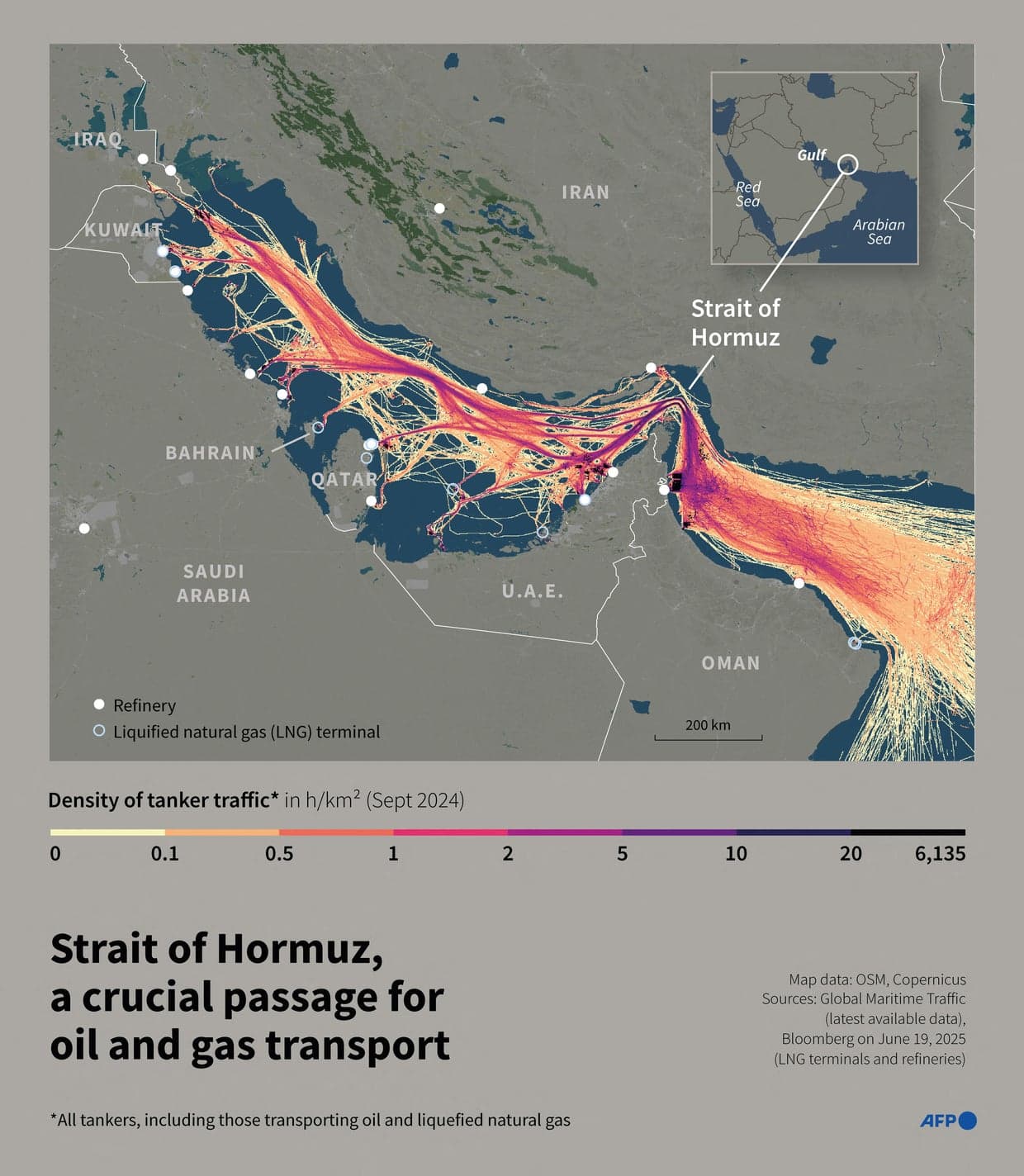
Oil’s latest drop carries a direct message for American drivers: cheaper crude can ease gasoline prices, lower shipping costs and help the Federal Reserve in its fight against inflation, but only after the Strait of Hormuz is judged safe enough for tankers to move freely again. Traders pushed crude to fresh three-month lows on June 16 as they weighed a tentative U.S.-Iran deal and the possibility that a major stretch of global supply could flow again without the wartime risk premium.
Brent was near $82.79 a barrel and West Texas Intermediate around $80.51, extending a selloff that has gathered speed over several sessions. Reuters reported that Brent had already fallen 3.4% to $87.33 on June 12, while U.S. crude dropped 3.2% to $84.88, even though prices were still more than 20% higher than before the United States and Israel attacked Iran on February 28, 2026.

The market’s focus is the Strait of Hormuz, the narrow shipping lane through which a large share of the world’s crude moves. CNBC reported that a senior Trump administration official put the odds of a deal at 80% and said an agreement would reopen the strait, lift the U.S. naval blockade, dismantle Iran’s nuclear program and remove its enriched uranium. Seyed Abbas Araghchi, Iran’s foreign minister, said a memorandum of understanding “has never been closer.”
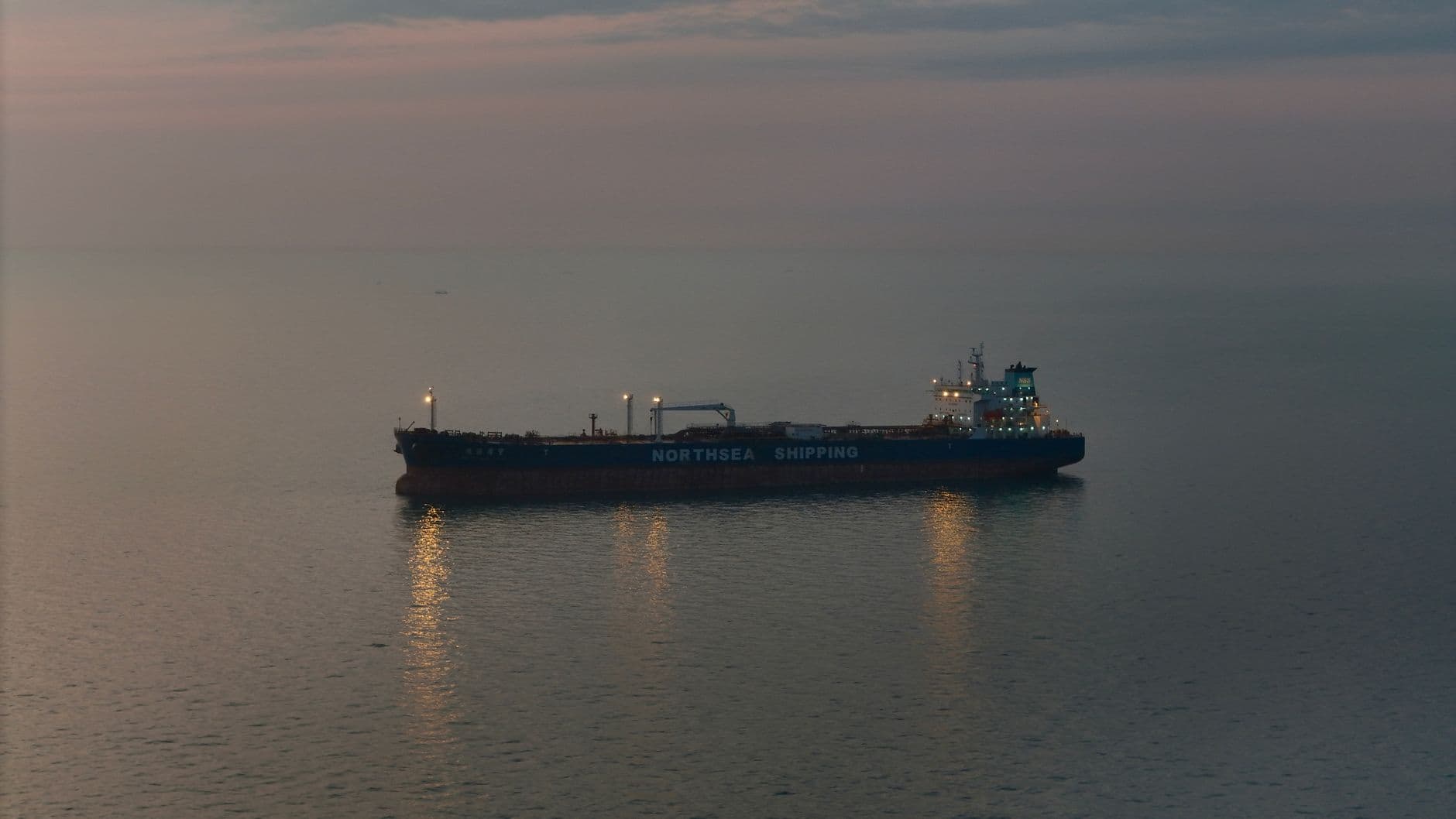
That prospect has immediate market implications, but the savings would not reach households overnight. Analysts say shipowners, insurers and vessel crews still need convincing that passage through Hormuz is safe before normal maritime traffic resumes. Until then, freight rates, insurance premiums and precautionary rerouting can keep the cost of moving oil and fuel elevated even if paper prices fall.
Reuters-linked reporting also said a draft agreement under discussion could include the release of roughly $25 billion in frozen Iranian assets, a sign that any diplomatic breakthrough would likely be tied to a broader economic settlement. Some Wall Street banks have already started trimming their price forecasts as the market prices in a revival in supply.
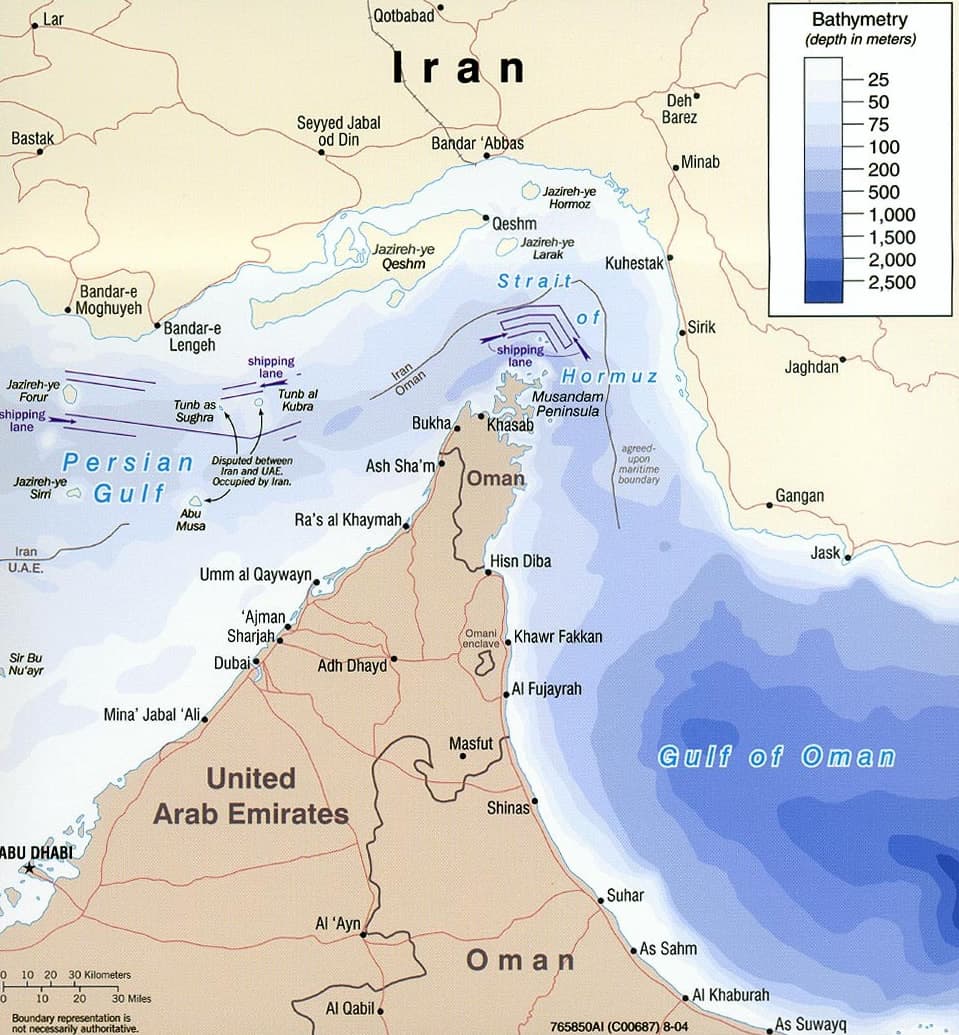
For consumers, the key test is whether the diplomatic headlines translate into barrels actually moving again. If they do, the relief could filter through gasoline stations and store shelves; if not, the inflation impact will be slower, and the oil market will remain anchored to the risk that any deal could still unravel.
This article was produced by Prism’s automated news system from verified source data, official records, and press releases, then run through automated quality and moderation checks before publishing. The system is built and supervised by the people who set the standards it runs under. Read our full AI policy.
Know something we missed? Have a correction or additional information?
Submit a Tip