Oil prices edge higher as traders focus on supply and demand
Brent climbed to $72.29 a barrel, but traders were focused on Gulf supply recovery, OPEC+ output, and softer demand signals instead of conflict risk.
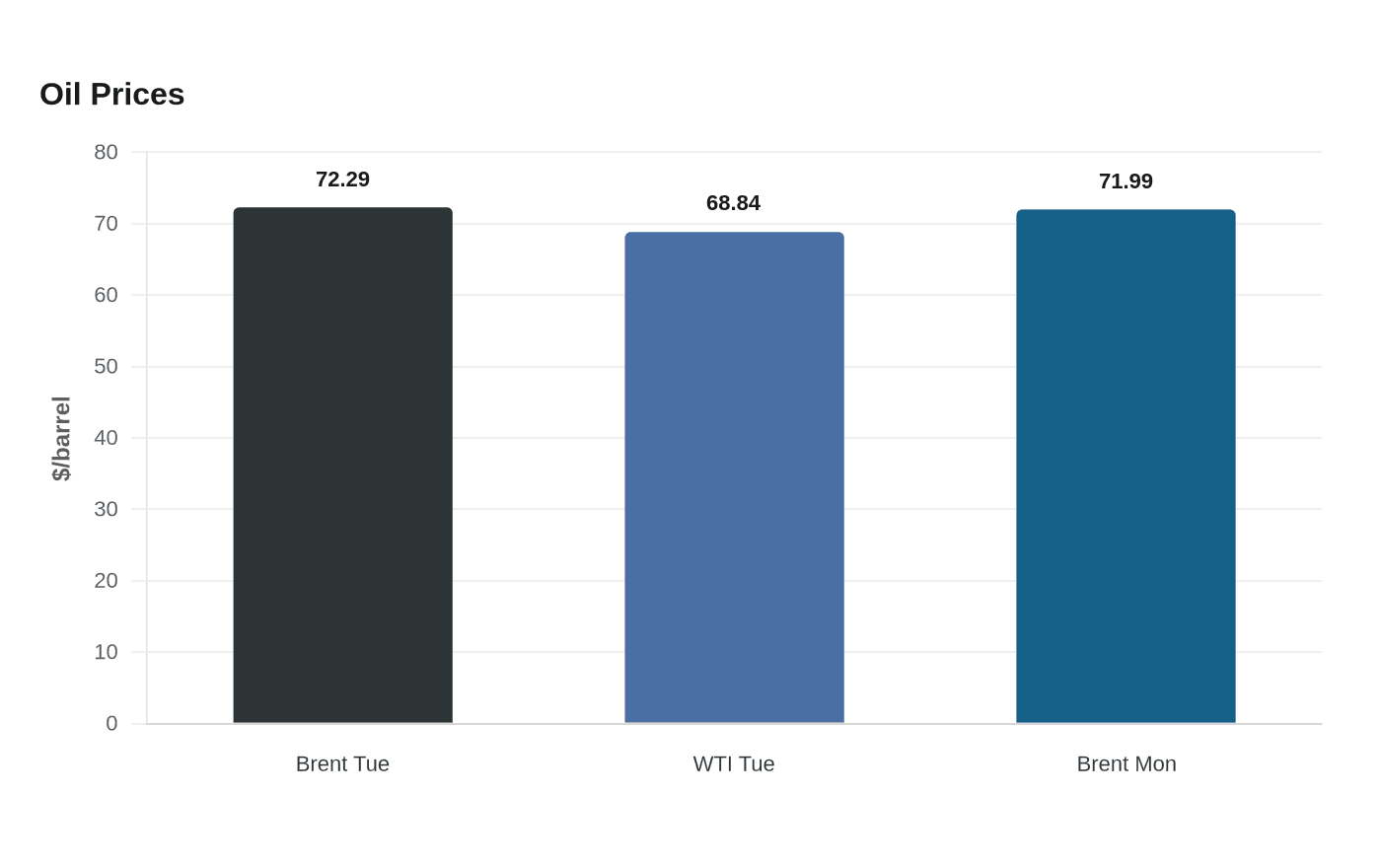
Brent crude rose 28 cents to $72.29 a barrel on Tuesday, while U.S. West Texas Intermediate added 29 cents to $68.84, a modest gain that showed traders were no longer chasing every geopolitical flare-up. The market has been leaning instead toward supply recovery and demand expectations, keeping the latest uptick small even as oil prices remained higher than they were a year ago.
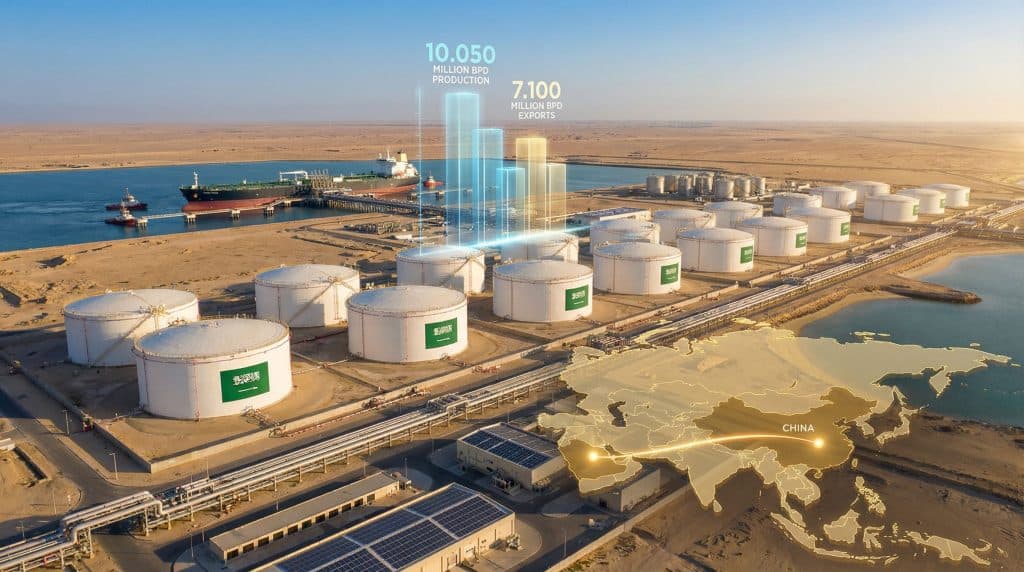
The clearest signal came from the Gulf. Oil exports from the region jumped by more than 3 million barrels a day in June from May to exceed 10 million barrels per day, even though flows were still about 40% below pre-war levels. Saudi Aramco then cut its August official selling price for Arab Light to Asia to $1.50 a barrel below the Oman/Dubai average, an $11 reduction from the previous month and the biggest monthly drop in more than two decades. An earlier July cut of $6 a barrel was already the largest since 2022.

Supply-side pressure is also coming from the producer group itself. OPEC+ approved another increase in output targets starting in August, adding to the sense that barrels are returning to the market as the Strait of Hormuz remains more open to exports than it was during the height of the latest Middle East tension. Brent settled at $71.99 on Monday, close to pre-Iran-war levels, underscoring how quickly the market has moved away from a pure risk-premium trade.
Demand is the other half of the equation, and it is not offering much support. The U.S. Energy Information Administration now expects global oil demand to decrease by an average of 1.1 million barrels per day in 2026, a sharp downgrade that puts China’s consumption outlook under a brighter spotlight. If Chinese demand disappoints while Gulf supply keeps recovering, the market has room to soften further even without a fresh shock.
That balance matters well beyond trading desks. Oil is still a key input for U.S. gasoline prices, shipping costs and corporate fuel bills, so a market that is trading on supply growth rather than wartime fear is less likely to feed a sudden inflation spike. Brent was still about 3% higher year over year in early July, but after falling sharply over the past month, Tuesday’s move looked more like stabilization than the start of a new rally.
This article was produced by Prism’s automated news system from verified source data, official records, and press releases, then run through automated quality and moderation checks before publishing. The system is built and supervised by the people who set the standards it runs under. Read our full AI policy.
Did this article answer your question?