Oil prices fall as Strait of Hormuz traffic normalizes
Oil slid more than $3 as tankers resumed transiting Hormuz, while U.S. gasoline averaged $3.9280 a gallon and traders bet supply fears were easing.
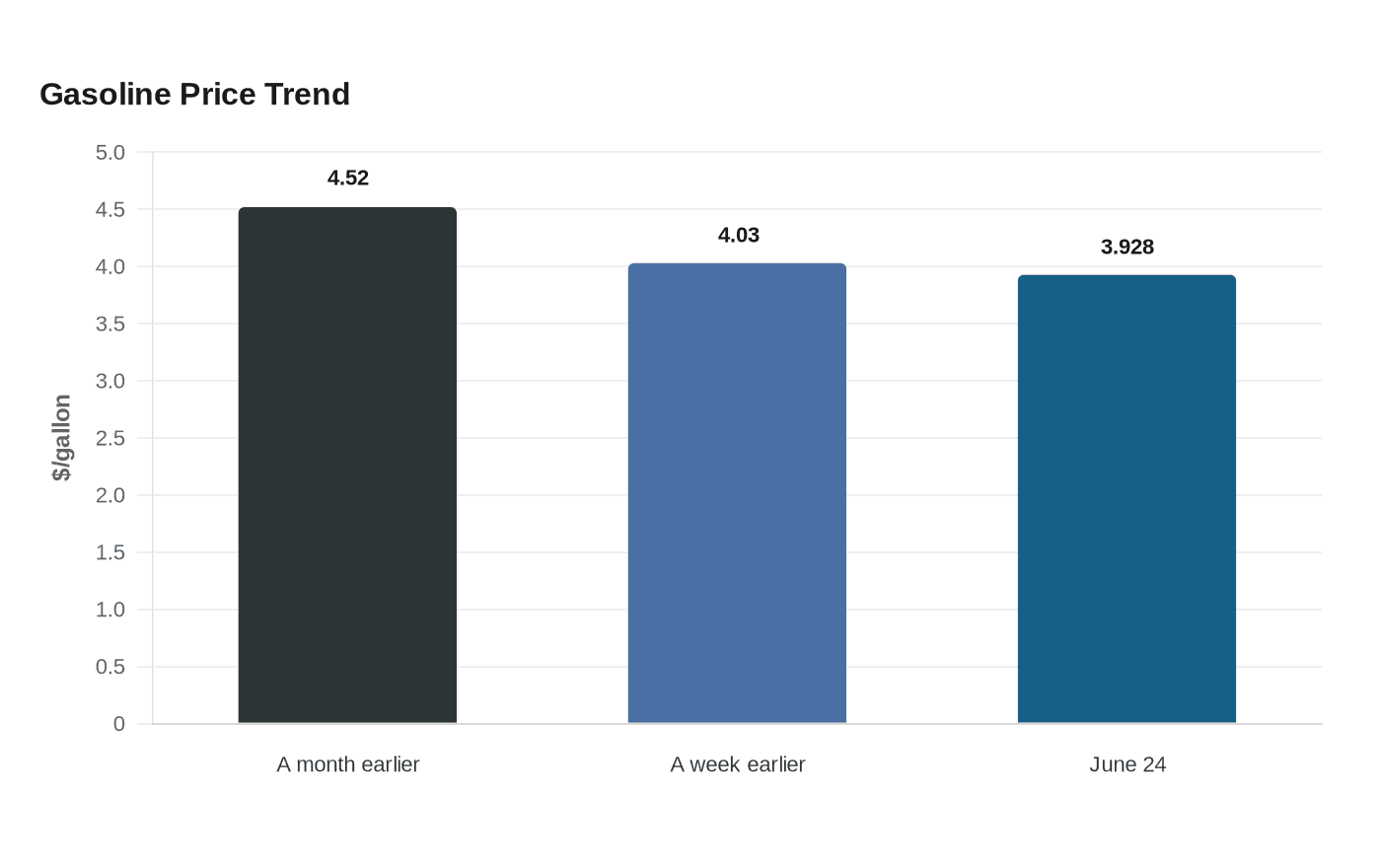
Benchmark oil prices fell on June 24 as more tankers moved through the Strait of Hormuz, easing fears that weeks of conflict had tightened a vital shipping lane and pushed fuel costs higher. U.S. national average gasoline price stood at $3.9280 a gallon, down from $4.03 a week earlier and $4.52 a month earlier, giving motorists an early sign that the latest oil retreat may be working its way toward the pump.
U.S. crude futures slipped below $70 a barrel, the lowest level since March 2, while Brent traded around $73.65 a barrel after falling more than $3 on the day. As traffic through the waterway improved, traders priced in a smaller chance of an immediate supply shock and a better flow of crude out of the Persian Gulf.
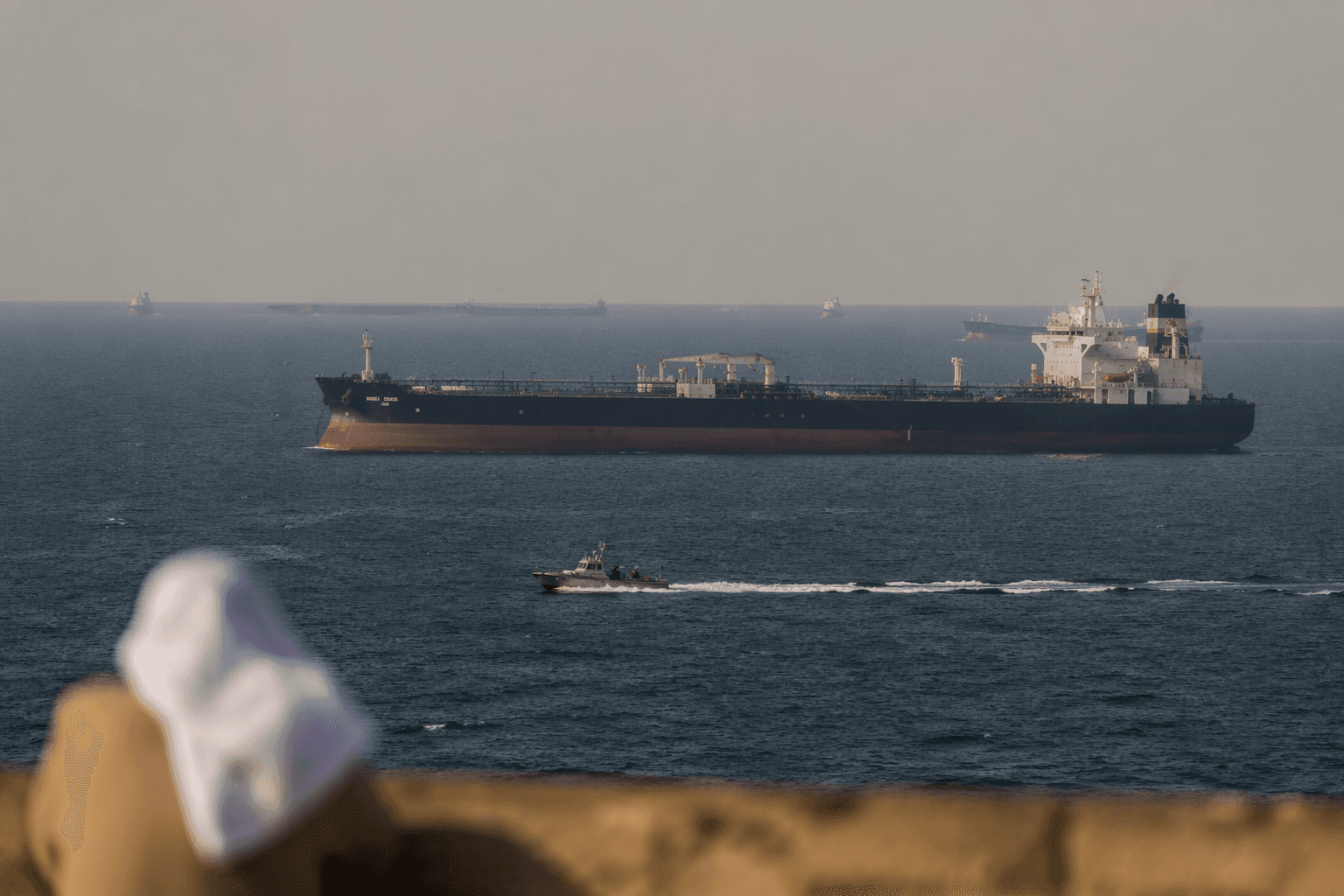
Three stranded supertankers crossed the strait on June 23, and seven empty Qatar-linked liquefied natural gas tankers entered it, suggesting that the backlog created by the conflict was beginning to clear. Oil and LNG tankers had also sailed through the strait on June 22, a further indication that traffic was slowly picking up after Iran said it had again closed the waterway over the weekend.
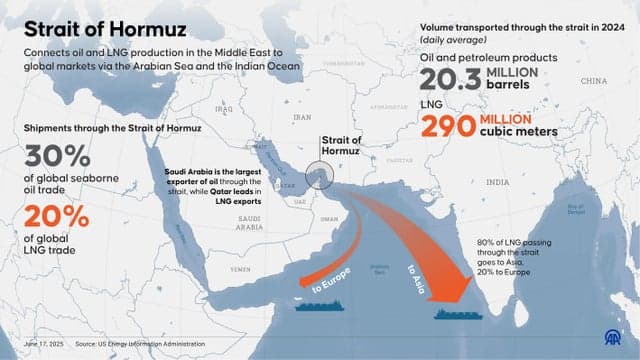
About 20 million barrels a day, roughly 25% of world seaborne oil trade, passes through the Strait of Hormuz, with about 80% of that crude headed for Asia, according to the International Energy Agency. The U.S. Energy Information Administration puts first-half 2025 flows at 20.9 million barrels a day, equal to about 20% of global petroleum liquids consumption and roughly one-quarter of globally traded maritime oil.
Safer passage could take weeks because mines may still need to be cleared, and flows remain below pre-war levels. Crude can fall in hours, but the relief usually reaches gasoline and diesel more slowly, filtering through freight costs, airline fuel bills and the inflation data watched by the Federal Reserve.
This article was produced by Prism’s automated news system from verified source data, official records, and press releases, then run through automated quality and moderation checks before publishing. The system is built and supervised by the people who set the standards it runs under. Read our full AI policy.
Know something we missed? Have a correction or additional information?
Submit a Tip