Oil prices fall as US-Iran peace talks send mixed signals
Oil sank more than 5% as Trump sent mixed Iran signals, with WTI at $91.65 and Brent at $98.30, stoking bets on cheaper fuel but continued volatility.
Volatile oil prices are bleeding into household budgets, with cheaper crude pointing to possible relief at the pump even as the market braces for fresh swings in gasoline, shipping costs and inflation expectations. The latest move came after Brent crude fell more than 5% on Sunday as Washington’s Iran diplomacy sent conflicting signals through energy markets.
West Texas Intermediate dropped about 5% to $91.65 a barrel and Brent fell to $98.30, after President Donald Trump said talks with Iran were proceeding in “an orderly and constructive manner” while also warning negotiators not to rush a deal. Bloomberg said Brent slid as much as 6.2% to $97.10 and WTI was near $91, underscoring how quickly traders have been repricing the odds of a breakthrough.
The price action reflected a market that has been lurching between peace and conflict scenarios for days. Earlier in the week, oil had already fallen sharply on signs that Washington and Tehran might be moving closer to an agreement, then bounced when uncertainty returned. Trump also said Gulf allies including Saudi Arabia, Qatar and the United Arab Emirates had urged him to pause planned strikes on Iran, a reminder that the diplomatic stakes extend well beyond crude traders.
At the center of the market reaction is the Strait of Hormuz, one of the world’s most important energy chokepoints. The International Energy Agency says an average of 20 million barrels a day of crude oil and oil products moved through the strait in 2025. UNCTAD estimates it carries around a quarter of global seaborne oil trade, while the Congressional Research Service says roughly 27% of the world’s maritime trade in crude oil and petroleum products passes through it.
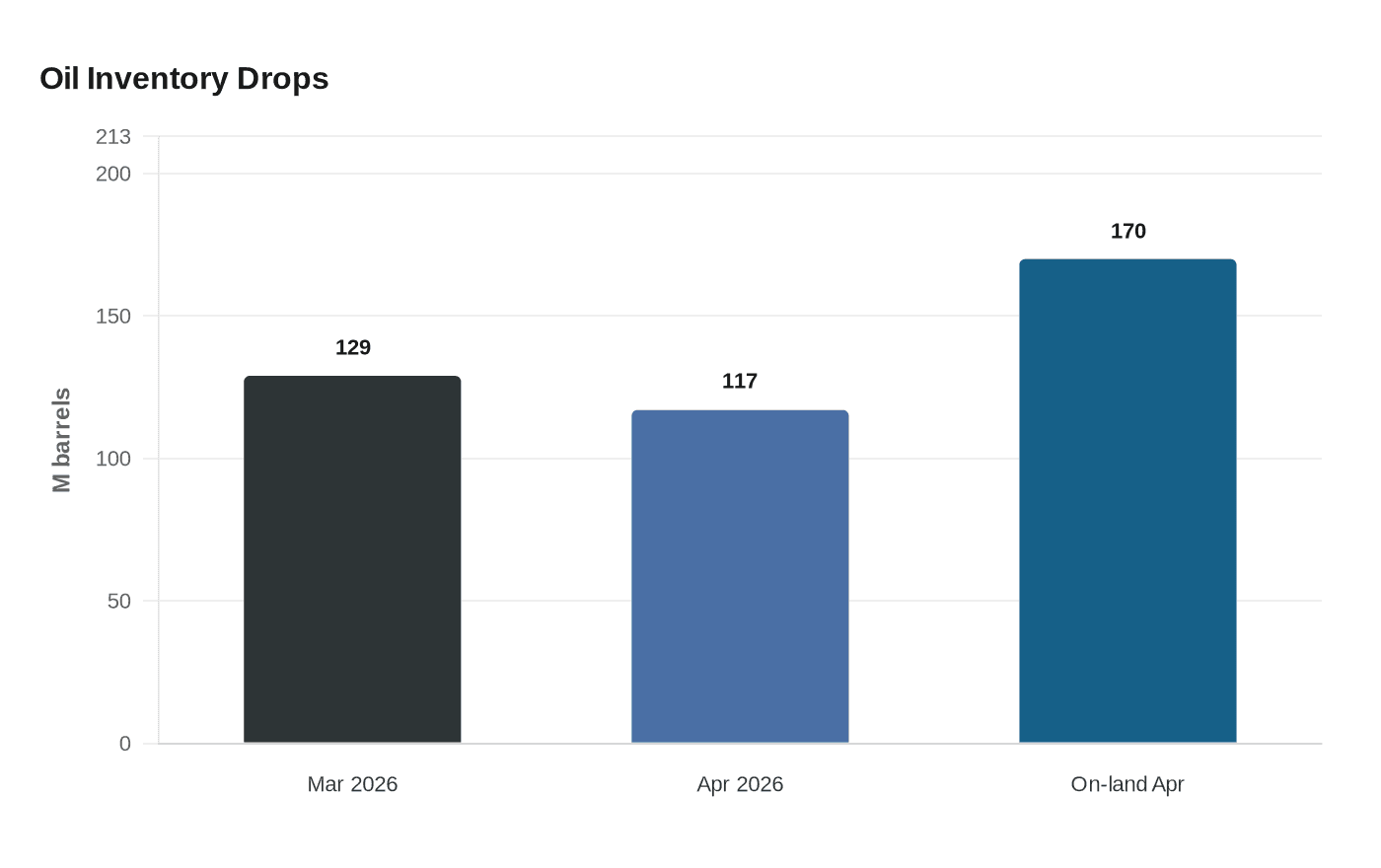
That concentration has made any hint of a reopening or closure of the waterway a market-moving event. The Dallas Fed said the Strait of Hormuz closure followed the outbreak of military conflict with Iran on Feb. 28, 2026. Since then, the IEA said global observed oil inventories fell by 129 million barrels in March and another 117 million barrels in April, with on-land stocks down by 170 million barrels in April because of disruptions tied to Hormuz.
The latest dip in prices reflects hope that diplomacy may reduce the risk premium embedded in crude. But the same headlines that push oil lower can reverse quickly if talks stall. For consumers, that means a cheaper fill-up is possible, but so is another jump in fuel costs if the geopolitical picture hardens again.
Know something we missed? Have a correction or additional information?
Submit a Tip