Oil prices rise as U.S. and Iran pause attacks in Strait of Hormuz
Oil climbed as U.S.-Iran tensions eased, but Brent still spiked to $73.39 as traders doubted the Strait of Hormuz truce would hold.

Oil prices edged higher after U.S. and Iranian officials agreed to halt recent hostilities in the Gulf, but the rally was restrained by a deeper market worry: traders were still not convinced the pause in attacks around the Strait of Hormuz would last. Brent crude futures were up 4 cents at $72.03 a barrel in early London trading, after touching $73.39, or as much as 1.9% higher, before trimming gains.
The market reaction showed how quickly security risk is being transmitted into energy pricing. The Strait of Hormuz is the narrow shipping chokepoint for a large share of the world’s oil and liquefied natural gas flows, so even a temporary easing in fighting can leave futures volatile if tanker routes remain exposed. Middle East producers kept loading oil and LNG despite fresh ship attacks, underscoring that cargoes were still moving even as confidence in the waterway remained fragile.
The latest pause followed days of tit-for-tat strikes between the United States and Iran in the Middle East that had slowed energy shipping through the strait. U.S. and Iranian officials also agreed to renew talks over the Strait of Hormuz, a sign that diplomacy is being used to try to stabilize a route that market participants are watching as a barometer of wider supply risk.
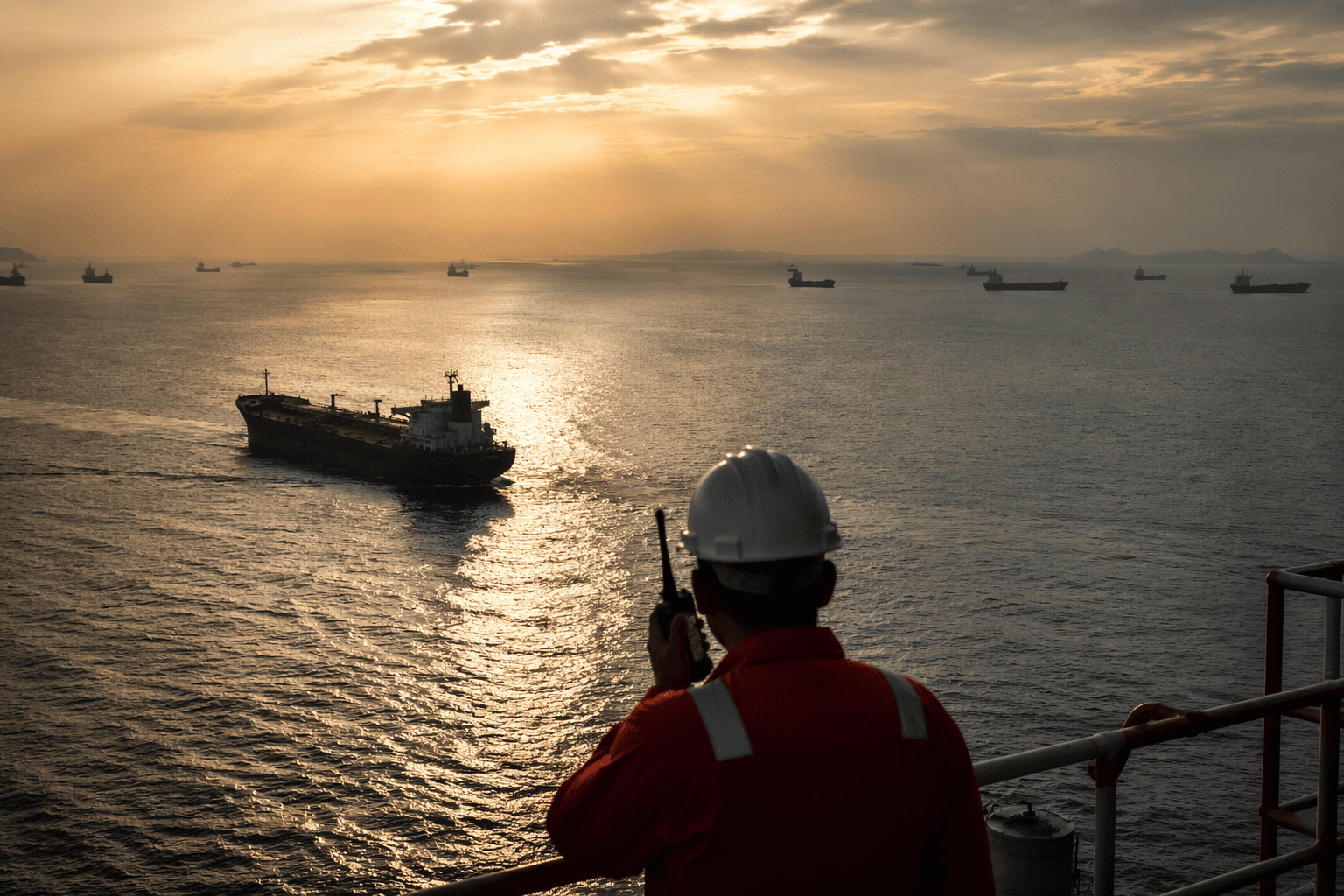
Shipping data pointed to a partial recovery, not a return to normal. Traffic through the strait had climbed to its highest level since the war began, but it was still below prewar averages. One recent measure put transits at 78 to 109 vessels over several days, compared with about 130 vessels a day before the conflict. That gap helps explain why oil prices have remained unusually sensitive to each new attack and each new pause in fighting.
Earlier in June, crude had fallen on expectations that a deal could emerge, only to rebound sharply when attacks resumed and fears of supply disruption returned. Analysts and market participants have warned that even if the shooting stops, shipping through the strait could take weeks to months to normalize because vessels remain stranded on both sides and security concerns have not fully cleared.
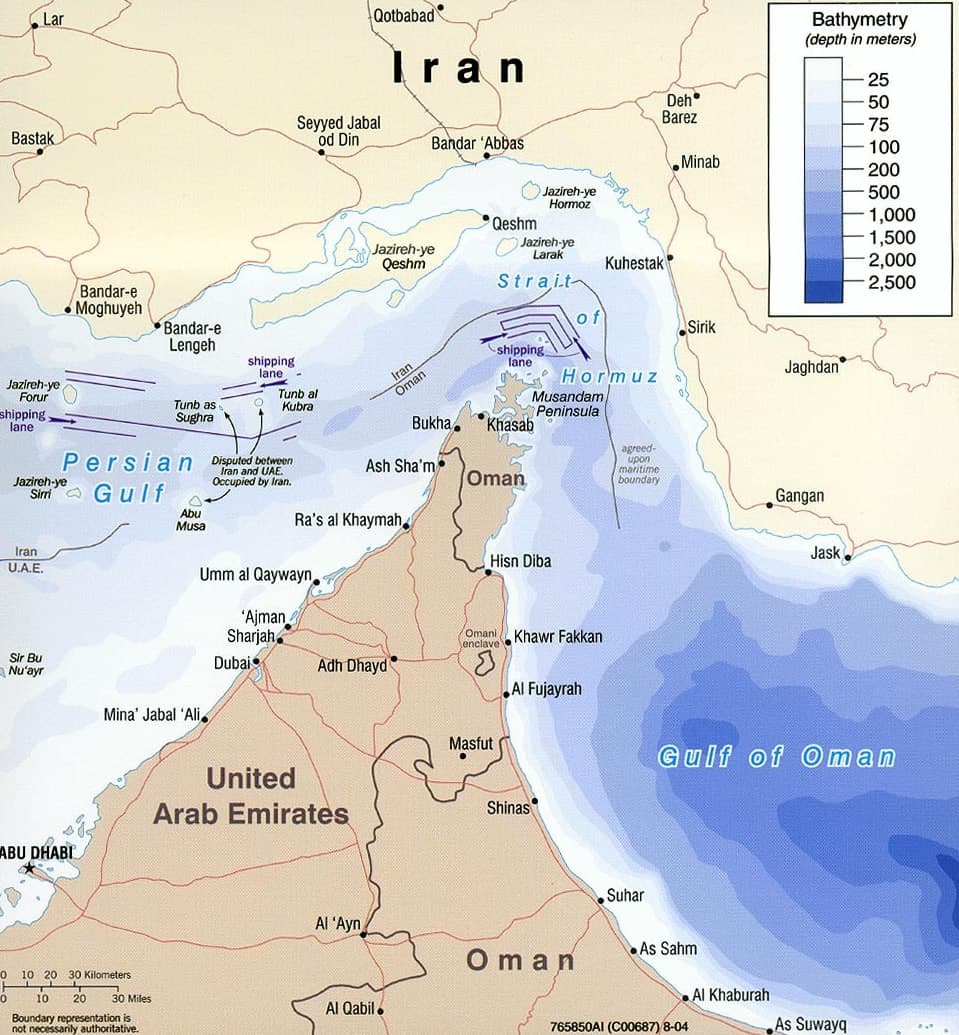
The escalation also widened anxieties beyond the immediate U.S.-Iran confrontation. Reports of targets in Bahrain and Kuwait deepened fears that the conflict could spread further across the Gulf, keeping energy traders focused on the Strait of Hormuz as the key signal for whether oil and LNG flows can keep moving without another price spike.
This article was produced by Prism’s automated news system from verified source data, official records, and press releases, then run through automated quality and moderation checks before publishing. The system is built and supervised by the people who set the standards it runs under. Read our full AI policy.
Did this article answer your question?