Oil prices surge above $100 as Trump’s Hormuz blockade rattles markets
Oil prices topped $100 as tanker traffic in the Strait of Hormuz slowed, with record physical barrels near $150 and traders bracing for a longer shock.
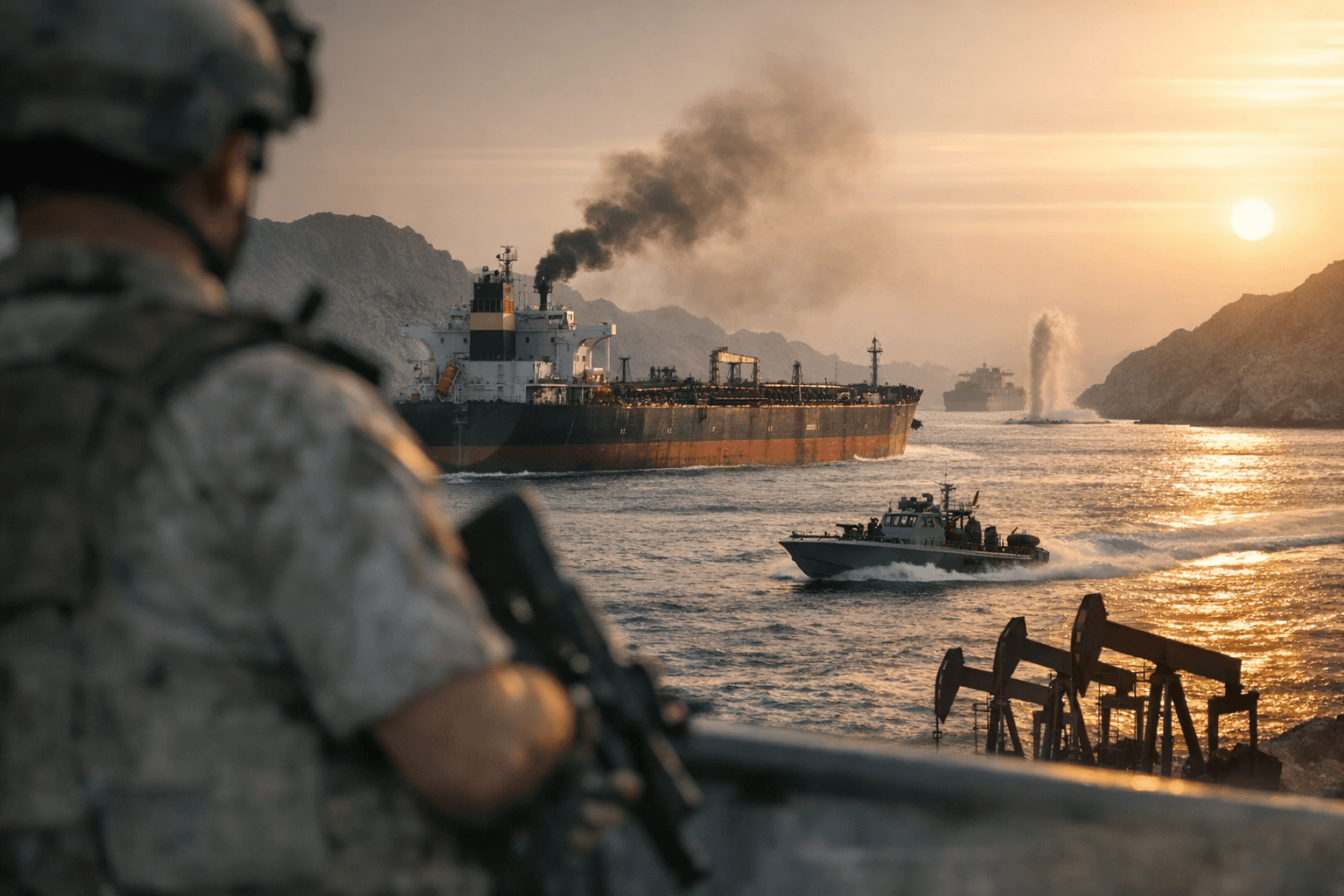
Oil futures flashed red while broader markets stayed comparatively calm, a sign that investors were still treating Donald Trump’s partial naval blockade of the Strait of Hormuz as a crisis that might be measured in hours or days, not weeks. That assumption looked fragile as Brent climbed to $100.96 a barrel and U.S. crude rose to $102.26 at 11:15 a.m. EDT, after both benchmarks had been up sharply earlier in the session.
The pressure built fast in the physical market. Some crude grades for immediate delivery to Europe were already trading at record highs of about $150 a barrel, a move that pointed to real barrels becoming harder to source even before the financial market finished repricing the threat. Tanker traffic through the strait reportedly ground to a halt again within hours of Trump’s announcement, with at least two vessels turning back. Reuters also reported that two Iranian-linked tankers exited the Gulf as other ships avoided the waterway.
The Strait of Hormuz is the world’s most exposed energy chokepoint. In 2024, about 20 million barrels a day of oil moved through it, equal to roughly 20% of global petroleum liquids consumption, while about 20% of global LNG trade also passed through the strait, mainly from Qatar. That makes the waterway central not only to crude markets but also to gas supplies and to the pricing of everything that moves on fuel.
If the disruption lasts more than a few days, consumers are likely to feel it first at the gas pump, where gasoline typically reacts before the rest of the economy catches up. Diesel would follow, then jet fuel, trucking costs and freight rates, with the squeeze eventually reaching grocery shelves and imported goods. Ben Emons of Fed Watch Advisors warned that fertilizer and helium prices could keep climbing, adding another layer of inflation pressure just as central bankers are trying to cool prices. The European Central Bank has been monitoring war-driven crude inflation, and India has already been warning about below-average monsoon rains.
The blockade also carries wider strategic risks. Weekend peace talks between Washington and Tehran broke down, and Tehran threatened retaliation against Gulf neighbors’ ports, raising the prospect of a broader energy shock. Saudi Arabia said it had restored full throughput on its East-West pipeline to about 7 million barrels a day, but that alternate route is too limited to replace Hormuz flows. OPEC had already cut its forecast for second-quarter world oil demand by 500,000 barrels a day, underscoring how quickly the shock could spill into a market already losing cushion. Analysts including Helima Croft and Trita Parsi said the blockade could still be a bargaining tactic, but they also warned that any real tightening of supply could push prices far higher and draw backlash from major buyers such as China and India.
This article was produced by Prism’s automated news system from verified source data, official records, and press releases, then run through automated quality and moderation checks before publishing. The system is built and supervised by the people who set the standards it runs under. Read our full AI policy.
Did this article answer your question?

