Oil slick traps wildlife on Iran’s Shidvar island sanctuary
Tar-coated birds, turtles and crabs were trapped on Shidvar, a rare protected island where April satellite images had already shown oil drifting toward the shore.
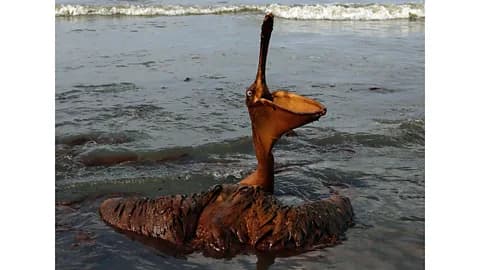
The oil slick reached Shidvar Island, where videos showed birds, turtles and crabs stuck inside mounds of tar on a protected coral sanctuary in Iran’s Persian Gulf. The contamination hit an uninhabited refuge known for turquoise water and white sand beaches, and it immediately raised questions about the spill’s source, the response mounted to contain it, and how much damage had already been done to one of the region’s most sensitive nesting grounds.
Shidvar lies east of Lavan Island in Hormozgan Province and is part of the Shidvar Wildlife Refuge. It was designated a Ramsar wetland site in 1999, and conservation listings identify it as an Important Bird Area that supports breeding Socotra cormorants and colonies of bridled and white-cheeked terns. The island is also a major nesting site for sea turtles, especially green turtles and hawksbill turtles, and one conservation document says as many as 20,000 waterfowl, shorebirds and seabirds may gather there during the breeding season.
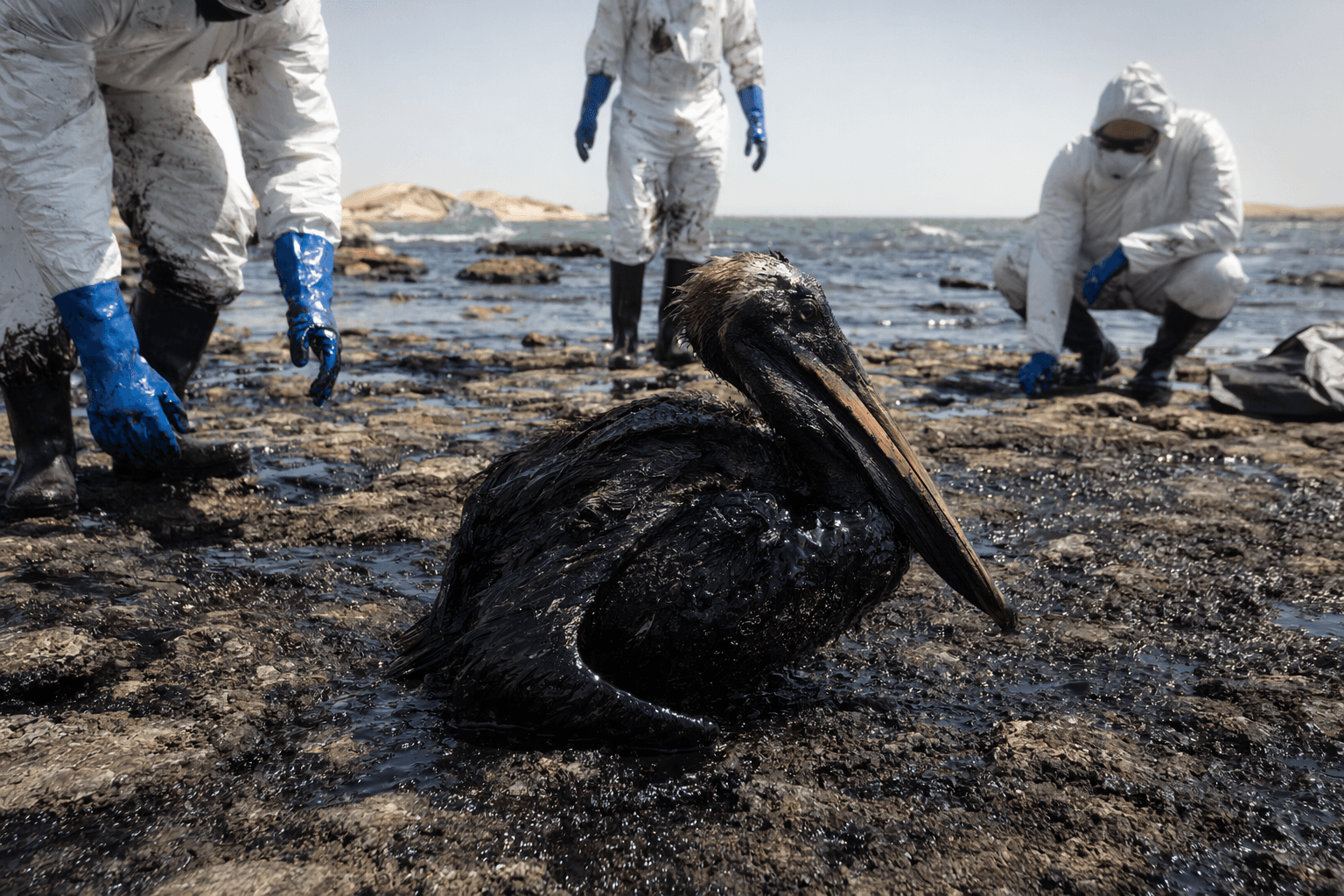
Satellite imagery published in April showed oil floating off Lavan Island and moving toward Shidvar. By May 19, the slick had reached the sanctuary itself, contaminating the nesting and breeding grounds that make the island ecologically valuable in the first place. Coverage described wildlife trapped in tar as the spill spread across a place that, because it is uninhabited and largely undisturbed, has remained one of the Persian Gulf’s rare refuges.
Wim Zwijnenburg of the Dutch peace organization PAX called the spill a major environmental emergency. Environmental specialists have warned that the damage could extend beyond Shidvar, threatening protected species and coastal fisheries across the Gulf as pollution moves through marine habitats and into the food supply. UNEP has also warned more broadly that environmental damage from conflict in the Middle East can be confirmed by remote sensing and that smoke and oil pollution can harm both human and environmental health.
The stakes on Shidvar reach beyond one island. The sanctuary sits in a heavily industrialized sea lane, yet it still shelters breeding birds and endangered turtles in waters that have long supported conservation and tourism value. Now the tarred shoreline has become a test of environmental oversight in the Gulf, where fragile wildlife, fisheries and coastal communities can all be exposed by a single spill.
Know something we missed? Have a correction or additional information?
Submit a Tip