Oil slips as UAE exit from OPEC stirs supply concerns
Oil eased after the UAE said it would quit OPEC, but the shock move raised bigger questions about who really controls global supply.

Oil prices slipped as traders weighed the United Arab Emirates’ surprise decision to leave OPEC and the wider OPEC+ alliance, even after crude had jumped nearly 3% a day earlier on fears that the Iran war was choking flows through the Strait of Hormuz. The swing showed how little room there is between geopolitical panic and producer politics: one is squeezing tankers, the other is testing whether OPEC still speaks with one voice.
The UAE said on April 28 that it would exit OPEC and OPEC+ effective May 1 after a review of its production policy and future capacity. Energy Minister Suhail Mohamed al-Mazrouei said the decision was in the UAE’s national interest and was not intended as a rebuke to other members. Abu Dhabi wants more freedom of action as it pushes toward 5 million barrels per day of capacity by 2027, a goal that puts its ambitions on a collision course with the discipline OPEC has tried to impose on members.
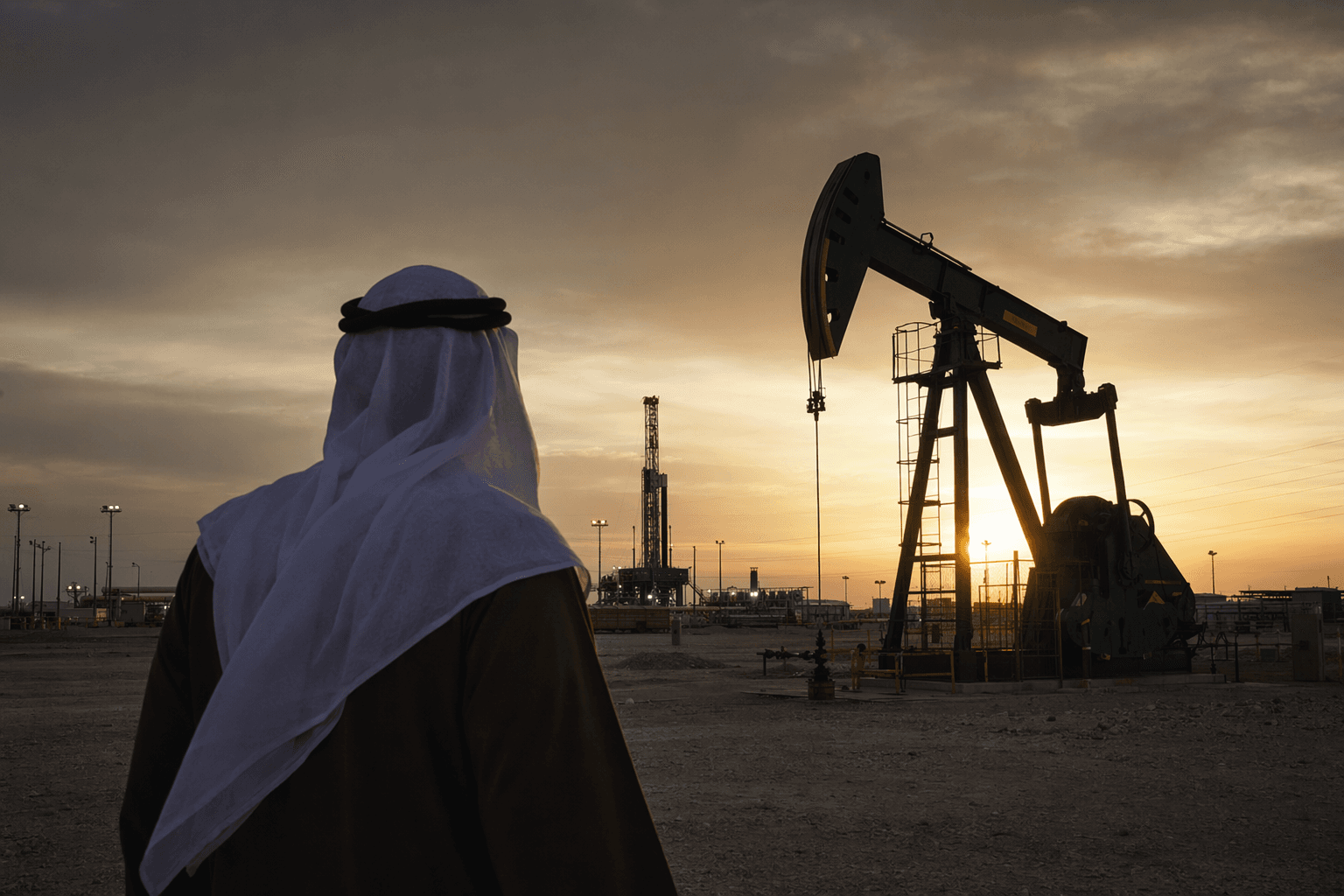
That matters because the UAE is not a marginal player. It was OPEC’s third-largest oil producer in February 2026, behind Saudi Arabia and Iraq, and has been one of the cartel’s most influential and generally compliant members since joining in 1967. Its departure is widely seen as a blow to OPEC unity and, by extension, to Saudi Arabia’s ability to hold the group together at a time when the market is already being driven by war risk rather than quota politics.
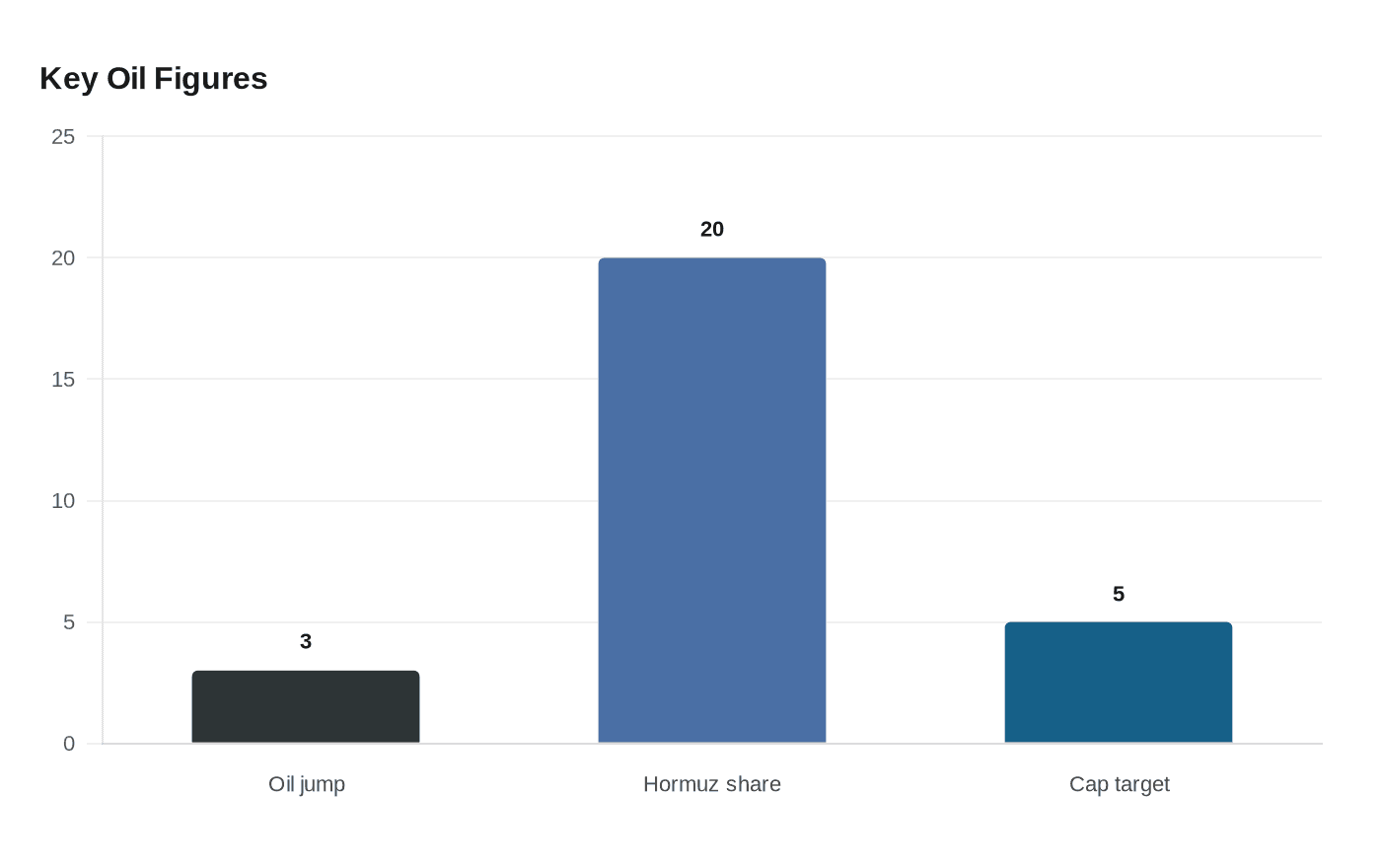
For U.S. drivers, freight operators and manufacturers, the immediate issue is not the UAE’s exit alone but the combination of the exit and the shipping crisis in the Strait of Hormuz. The chokepoint handles roughly one-fifth of global crude oil and liquefied natural gas shipments, and movement through it has been sharply constrained by the conflict. That is why oil rallied on Tuesday even as the UAE news broke, then eased on Wednesday as markets digested what the split could mean for future supply discipline.
In the short run, the UAE’s decision does not add new barrels to the market or fix the shipping bottleneck. Over time, though, it could give Abu Dhabi more room to raise production if it chooses, while leaving OPEC with less authority over one of its most important members. That combination, a weaker cartel and a tighter Gulf shipping lane, points to a market where leverage is more diffuse and price swings for U.S. consumers and businesses may become harder to tame.
This article was produced by Prism’s automated news system from verified source data, official records, and press releases, then run through automated quality and moderation checks before publishing. The system is built and supervised by the people who set the standards it runs under. Read our full AI policy.
Did this article answer your question?