Oklo enters talks to turn Cold War plutonium into reactor fuel
Oklo won advanced talks with the Energy Department to turn surplus warhead plutonium into reactor fuel, a move promising cleaner power but raising severe security risks.
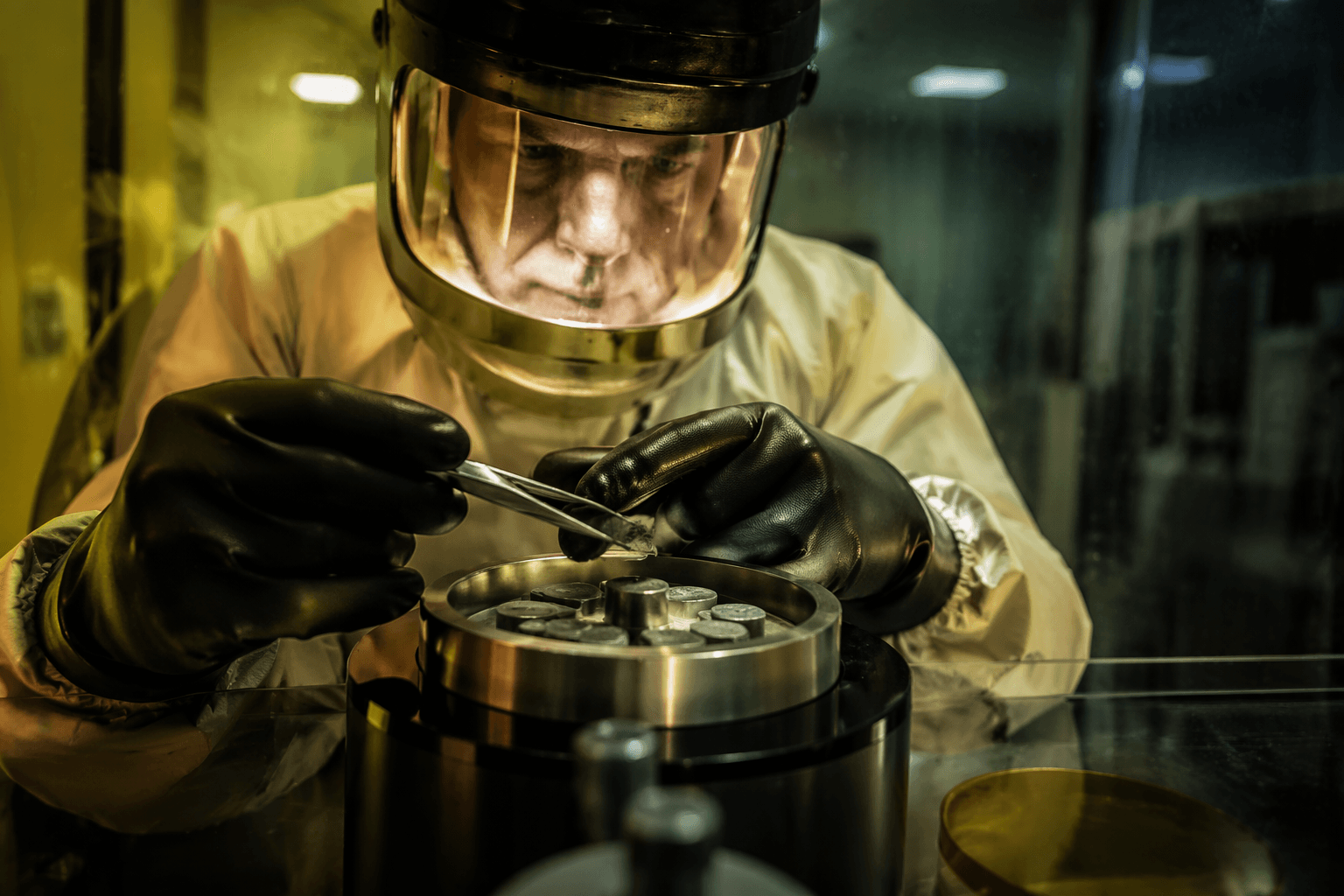
Oklo won advanced talks with the U.S. Energy Department to explore whether Cold War-era plutonium can be converted into fuel for advanced reactors, a proposal that could open a new domestic supply line for nuclear power while putting one of the country’s most sensitive materials into a commercial setting.
The material at issue is surplus plutonium left over from dismantled nuclear warheads. It remains dangerous for thousands of years and has to be guarded at secure facilities in South Carolina, Texas and New Mexico. The federal government has spent years trying to decide what to do with it, and its own 2024 environmental review said it was evaluating disposal of 34 metric tons. Earlier planning documents said the preferred approach for the full amount remained dilute-and-dispose, a process that mixes plutonium with other material before burying it as waste.
That backdrop makes the Oklo talks so consequential. The company said it had been selected for advanced negotiations under the department’s Surplus Plutonium Utilization Program. Oklo also said it had already announced a strategic partnership with the European company newcleo in October 2025 to build advanced fuel-fabrication infrastructure in the United States, including possible work tied to surplus plutonium. Jacob DeWitte, Oklo’s chief executive, has cast the idea as a way to turn material set aside for disposal into electricity. Stefano Buono, newcleo’s founder, has said it could reduce U.S. nuclear liabilities.
The technical path is far from simple. The surplus plutonium disposition work would require new, modified or existing capabilities at the Savannah River Site in South Carolina, Los Alamos National Laboratory in New Mexico, the Pantex Plant in Texas and the Waste Isolation Pilot Plant near Carlsbad, New Mexico. The Energy Department canceled the mixed-oxide fuel fabrication project in 2018 after years of delays and cost overruns, and in 2016 it had already decided to dispose of 6 metric tons of non-pit surplus plutonium by downblending, with another 7.1 metric tons later slated for the same route. Any new fuel program would have to thread through security rules, transport safeguards, fabrication standards and nonproliferation review.
The politics are just as difficult. On May 23, 2025, President Donald J. Trump ordered the Energy Department to establish a program to dispose of surplus plutonium by making it usable for advanced nuclear fuel, part of a broader push to revive the U.S. nuclear industrial base and leverage federal uranium and plutonium declared excess to defense needs. But Democratic lawmakers have warned that moving plutonium into commercial use could create proliferation risks, and critics say the 20 metric tons under discussion could be enough to make roughly 2,000 atomic bombs. The question now is whether this becomes a serious route to cleaner power and waste reduction, or a high-risk public-private experiment with national-security consequences.
This article was produced by Prism’s automated news system from verified source data, official records, and press releases, then run through automated quality and moderation checks before publishing. The system is built and supervised by the people who set the standards it runs under. Read our full AI policy.
Did this article answer your question?