Omaha businesses feel ripple effects of Glenn Valley Foods raid
A year after the Glenn Valley Foods raid, South Omaha businesses are still counting losses, and families are still untangling detention, debt and fear.
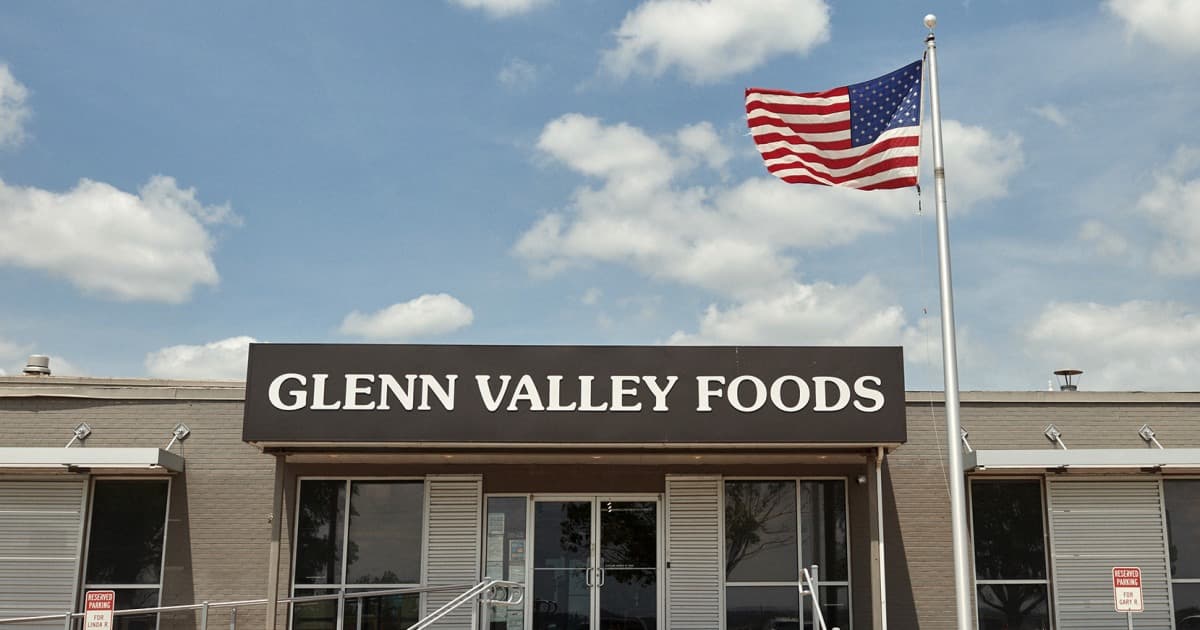
South Omaha is still living with the fallout from the Glenn Valley Foods raid long after the agents left the meatpacking plant. Business leaders say the June 10, 2025 operation rattled customers, emptied storefronts for days and helped push six neighborhood businesses to close for good, a sign that the enforcement action became a local economic shock as much as a law-enforcement case.
Nebraska Public Media reported that 76 workers were detained in the raid, which it described as the largest immigration raid in Omaha’s modern history. Federal officials said the sweep was part of an ongoing criminal investigation into undocumented employment and identity fraud, carried out under a federal search warrant and tied to the Take Back America Task Force. Homeland Security Investigations later said an audit of I-9 forms found suspected fraudulent identification documents, unauthorized employment and the use of Social Security numbers that were not issued to some workers.
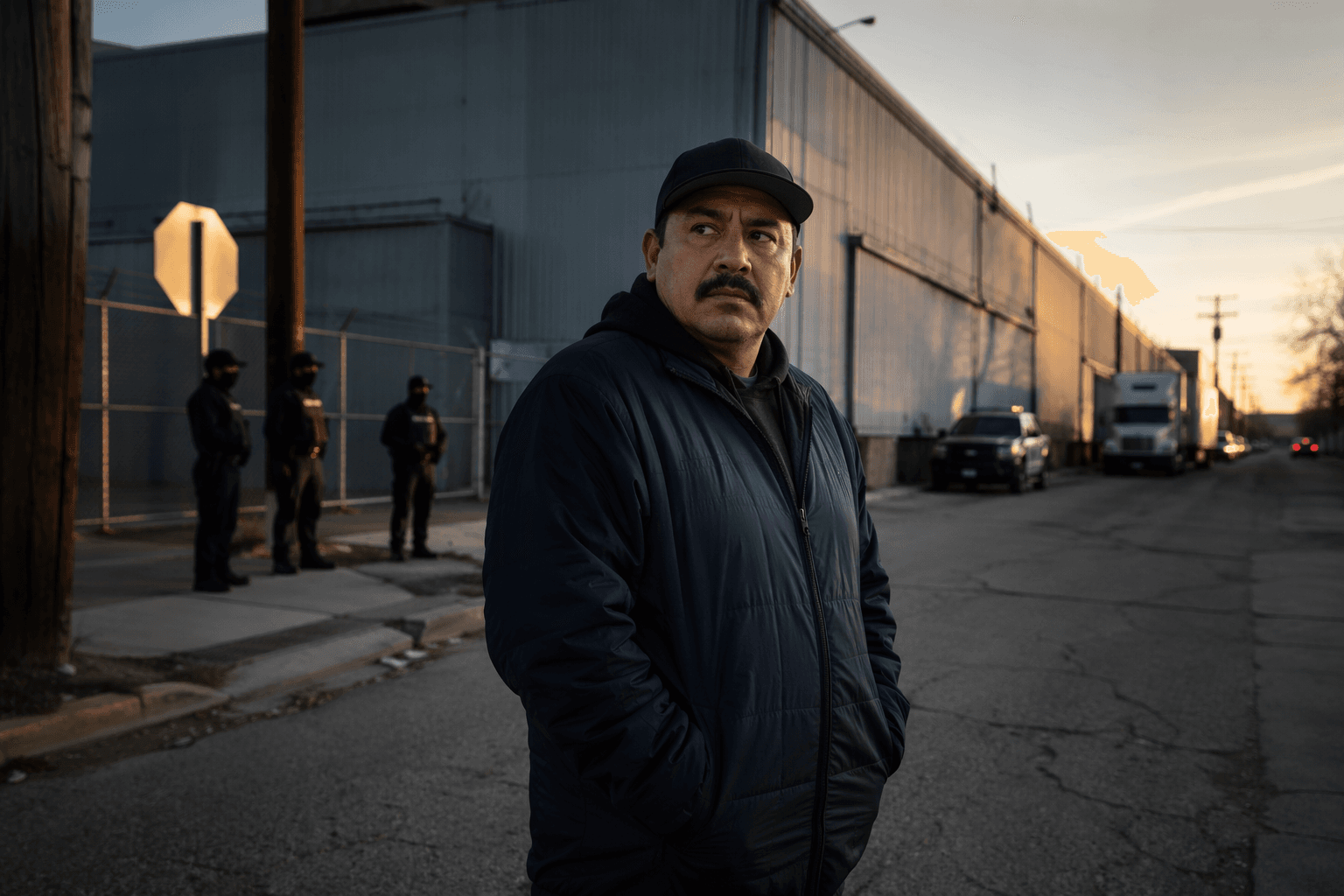
The human toll remains visible in families like Luis Mejia’s. Mejia said it was his third day at Glenn Valley Foods when agents entered the plant, and his mother, Ada, a longtime worker and the family’s sole provider, was among those detained. Ada was held at the Lincoln County Jail in North Platte for a month before being released with a work permit, but Mejia said she still lives with trauma and a fear of government places.
Irma Villezca, director of the South Omaha Business Association, said most businesses in the area closed for days after the raid as residents stayed home. Social workers and immigrant-aid groups have since helped affected families with groceries, rent assistance and therapy while immigration cases move through the courts. The disruption spread beyond the plant gates, into the cash flow of restaurants, stores and service businesses that depend on the neighborhood’s working families.
The political divide over the raid has remained sharp. Gov. Jim Pillen blamed the Biden administration’s immigration policy and backed federal enforcement, while U.S. Sen. Pete Ricketts said people in the country illegally are breaking the law. Omaha Mayor John Ewing took the opposite view, calling for comprehensive immigration reform and describing the system as one that creates fear and lacks a workable answer for Latino residents.
On the anniversary, Ewing called the raid a “very difficult chapter” in Omaha’s recent history and proclaimed June Immigrant Heritage Month. The ACLU of Nebraska later said ICE was enforcing a “cruel” bond policy against some detainees, including one man who posted a $10,000 bond but was not released for 11 more days. A year later, the raid is still shaping labor, family stability and the survival of small businesses in South Omaha.
This article was produced by Prism’s automated news system from verified source data, official records, and press releases, then run through automated quality and moderation checks before publishing. The system is built and supervised by the people who set the standards it runs under. Read our full AI policy.
Did this article answer your question?

