Oman mediates Muscat talks as U.S. and Iran test diplomatic thaw
Indirect, high-level meetings in Muscat aimed to restart nuclear diplomacy; Tehran called the encounter "a very good start" amid military signaling and deep mistrust.
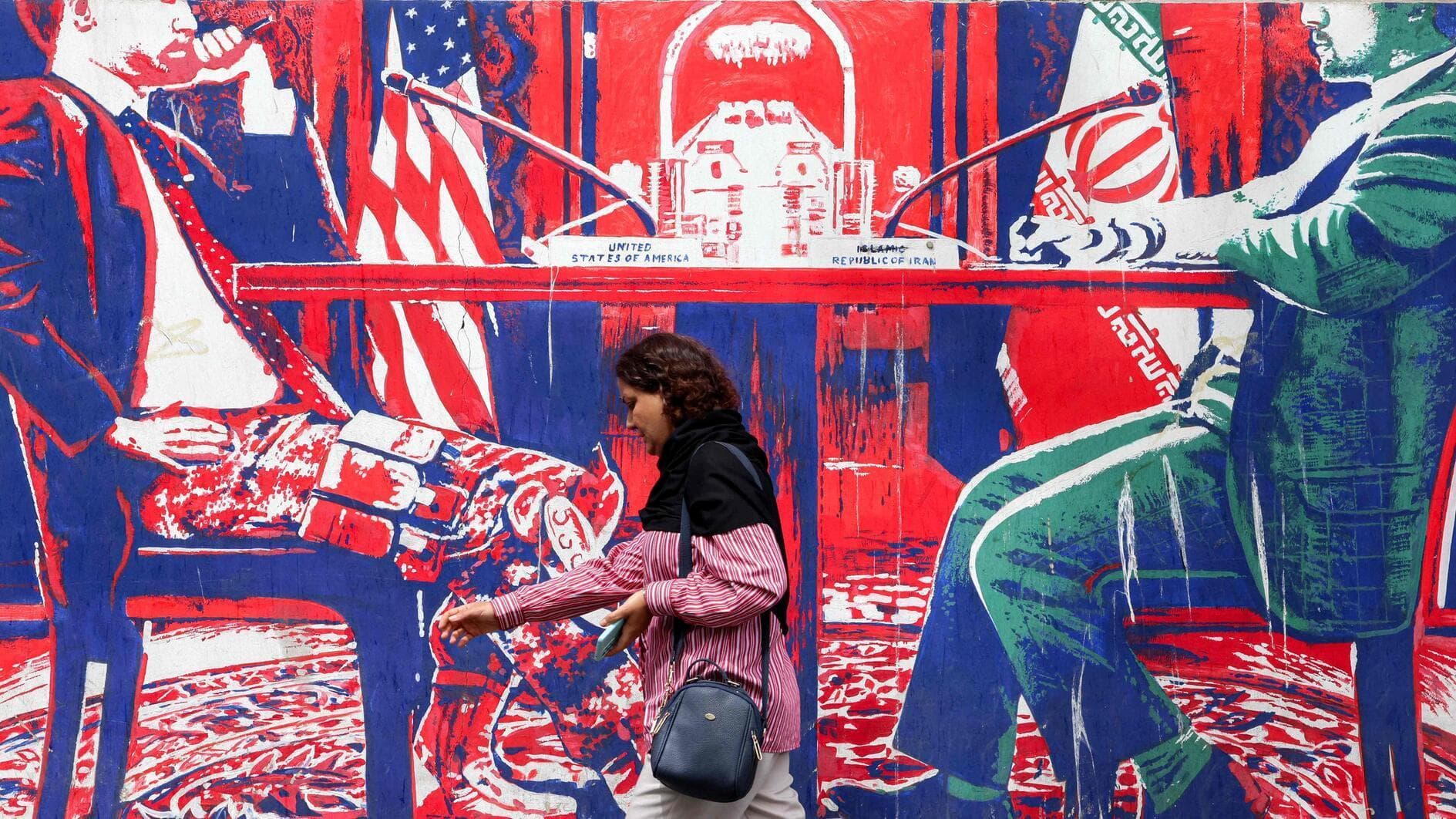
Senior U.S. and Iranian envoys met separately in Muscat on Feb. 6 for indirect, high-stakes talks mediated by Oman, a cautious first step toward resuming negotiations over Iran’s nuclear program. The consultations, held at a palace on the outskirts of the capital and staged in multiple rounds through the day, were explicitly framed as preparatory rather than decisive.
Omani Foreign Minister Badr al‑Busaidi, who shuttled between the delegations, said the sessions “focused on preparing the appropriate circumstances for resuming the diplomatic and technical negotiations” and were “useful to clarify both the Iranian and American thinking and identify areas for possible progress.” Iran’s foreign minister, Abbas Araghchi, described the meetings as “a very good start” and said Iran would “hold consultations with our capitals regarding the next steps, and the results will be conveyed to Oman foreign minister.”
The U.S. delegation was led by Special Envoy Steve Witkoff and included White House adviser Jared Kushner. Admiral Brad Cooper, commander of U.S. Central Command, attended in dress uniform, a conspicuous presence interpreted by many diplomats as an explicit reminder that military options remain on the table if diplomacy falters. President Donald Trump, speaking before the talks, warned that Iran’s leadership “should be very worried” and has previously threatened force should Tehran use lethal force against protesters or reject a negotiated settlement.
The two sides approached the Muscat session with sharply different views of the agenda. Tehran insisted the meetings be limited to nuclear matters, while U.S. officials pressed for a broader remit that would include Iran’s ballistic missile program, its support for regional proxy groups and the “treatment of their own people,” a list U.S. Secretary of State Marco Rubio said Washington wanted on the table. That dispute over scope was identified by participants as the chief obstacle to rapid progress.
Regional diplomacy also moved behind the scenes. Diplomats from Egypt, Turkey and Qatar offered a proposal that would have Iran halt enrichment for three years, send its highly enriched uranium out of the country and pledge “not initiate the use of ballistic missiles,” with Russia signaling a willingness to accept the material. Iranian officials, however, treated proposals to end enrichment or transfer the uranium as nonstarters.
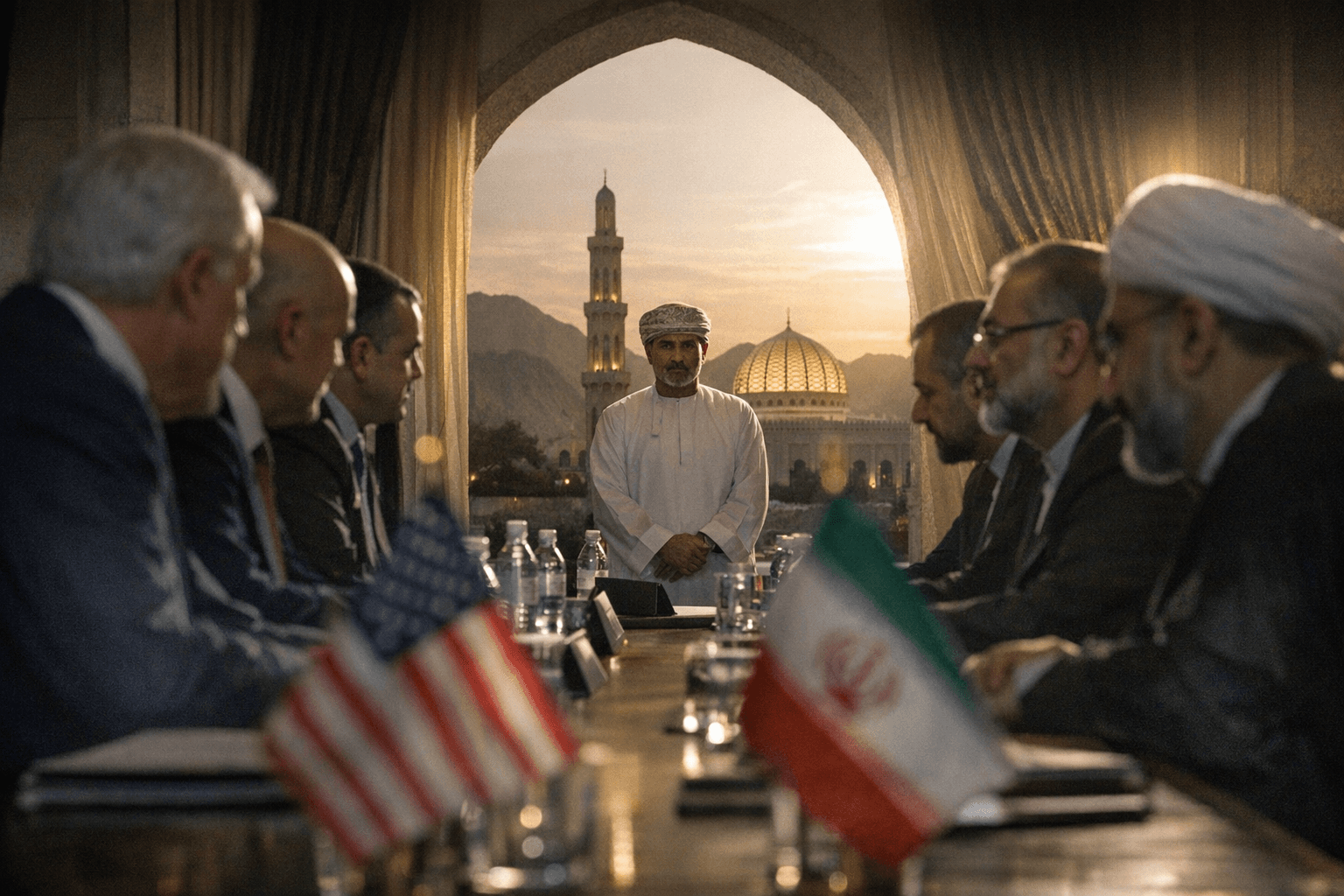
The meetings took place against a fraught backdrop. They followed months of strikes on Iran’s enrichment facilities and came weeks after a nationwide wave of anti‑regime protests that met a bloody crackdown, deepening mistrust on both sides. U.S. naval forces, including the carrier USS Abraham Lincoln, and other military deployments in the region underscored the perilous mix of diplomacy and deterrence that framed Muscat.
Oman presented the talks as a channel to create “the requisite foundations for the resumption of both diplomatic and technical negotiations.” Iranian state media said the sessions ended with a “willingness to continue” but provided no timetable. Araghchi warned that “the mistrust that has developed is a serious challenge facing the negotiations. We must first address this issue, and then enter into the next level of negotiations.”
Diplomats cautioned that Muscat had restored a line of communication but not a bargain. With fundamental disagreements over scope and red lines still in place, the most significant outcome may be procedural: a signaling by both capitals that, for now, they prefer talks to escalation and will let Oman serve as intermediary as follow-up consultations proceed.
This article was produced by Prism’s automated news system from verified source data, official records, and press releases, then run through automated quality and moderation checks before publishing. The system is built and supervised by the people who set the standards it runs under. Read our full AI policy.
Did this article answer your question?


