Suicide bomber kills dozens at Shiite mosque near Islamabad
A suicide blast at a Shiite mosque on Islamabad's outskirts kills dozens and wounds many, deepening sectarian fears and testing Pakistan's security response.
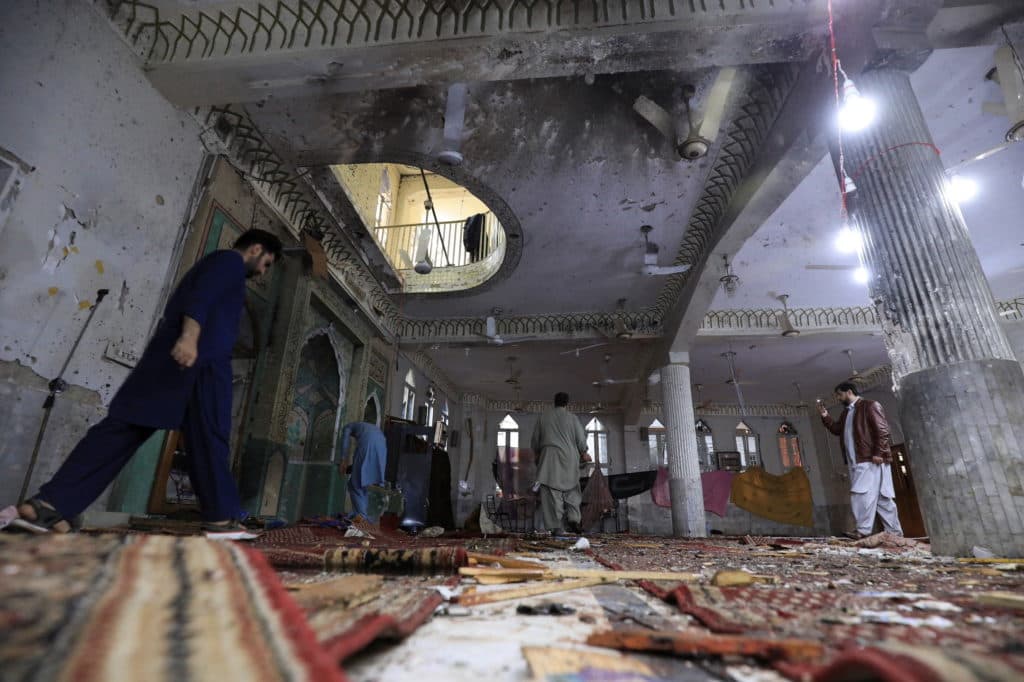
A powerful explosion rips through the Khadija Tul Kubra imambargah in the Tarlai Kalan neighbourhood on the outskirts of Islamabad during Friday prayers, killing dozens and wounding many. The blast sent worshippers spilling into the courtyard as emergency services and security personnel converged on the scene, and hospitals in the capital prepared to receive large numbers of casualties.
The attack struck at a time of heightened anxiety among Pakistan’s Shia community, who have long been targeted in sectarian assaults. The imambargah, a centre of communal worship and social gathering, was full for Friday prayers when the explosive device detonated, amplifying the human toll and the emotional shock to survivors and relatives. Authorities have said initial counts indicate heavy casualties, but a final tally remains pending as rescue and forensic teams continue to work.
It was not immediately clear who was responsible for the attack. Local investigators began collecting evidence at the site and security checkpoints were heightened across Islamabad and neighbouring districts. The government faces immediate pressure to both secure the capital and to provide transparent information to victims’ families as they seek identification, medical care and burial arrangements under deeply felt religious protocols.
The bombing is the latest in a pattern of violence that has periodically targeted Pakistan’s Shia minority, a community that has frequently complained of inadequate protection. Analysts say such incidents risk deepening sectarian fractures at a moment when political and economic pressures are already testing the state’s capacity to maintain order. For a country that sits at a strategic crossroads between South and Central Asia and that hosts a complex web of regional relationships, the domestic fallout can carry broader diplomatic implications.
Under international law, deliberate attacks on civilians and places of worship can amount to serious violations of human rights and humanitarian norms. The targeting of worshippers in a house of prayer carries a particular symbolic weight, exacerbating communal grief and challenging Pakistan’s obligations to protect minority communities. Calls for an impartial and thorough investigation are likely to intensify as civil society groups and legal experts press for accountability and for measures to prevent reprisals.
Regional actors will be watching closely. Sectarian violence in Pakistan has at times had reverberations beyond its borders, influencing narratives in neighbouring countries and among diasporic communities. Islamabad’s response will be scrutinised for both its ability to stabilize the immediate situation and for the longer-term steps it pursues to address the root causes of sectarian violence, including radicalisation and the networks that facilitate such attacks.
As rescue operations proceed and families seek answers, the immediate humanitarian priorities are clear: treating the wounded, identifying the dead, and ensuring funerary rites can proceed with dignity. The attack leaves a shattered congregation and a city grappling with grief, and it poses urgent questions about security, justice and the protection of religious life in Pakistan.
This article was produced by Prism’s automated news system from verified source data, official records, and press releases, then run through automated quality and moderation checks before publishing. The system is built and supervised by the people who set the standards it runs under. Read our full AI policy.
Did this article answer your question?


